
California Health and Safety Code 11358: Illegal Marijuana Cultivation
Under Health and Safety Code 11358 (HS 11358), it is illegal to cultivate, plant, harvest, dry, or process marijuana plants outside the strict boundaries established by state law.
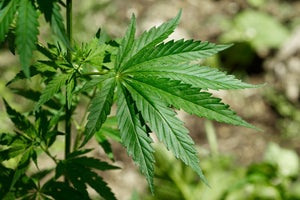
While Proposition 64 legalized limited personal cultivation for adults, exceeding these limits or bypassing local ordinances can trigger misdemeanor or felony criminal charges.
If you are facing allegations of illegal cannabis cultivation, a conviction can lead to jail time, steep fines, and a permanent criminal record. Navigating these evolving regulations requires a strategic defense.
Quick Reference: Legal vs. Illegal Cultivation in California
|
Feature |
Legal Cultivation |
Illegal Cultivation (HS 11358 Violation) |
| Plant Limit | Up to 6 live plants per residence total | 7 or more live plants without a commercial license |
| Age Requirement | 21 years or older (or a valid medical marijuana patient) | Under 21 years old |
| Location | Inside a private residence or a locked, secure backyard enclosure | Public land, unlocked spaces, or areas visible to the public |
| Intent | Strictly for personal use | Cultivation with intent to sell or distribute without a license |
| Local Compliance | Must adhere to city/county zoning and permit rules | Violates local municipal bans or strict indoor/outdoor ordinances |
Penalties for Illegal Marijuana Cultivation
Most violations of HS 11358 are charged as misdemeanors. However, California law applies felony enhancements for commercial exploitation, environmental damage, or specific criminal histories.
Misdemeanor Penalties
For adults who grow more than six plants without aggravating factors, a misdemeanor conviction carries:
-
Up to 6 months in county jail
-
Fines up to $500
-
Summary (informal) probation
-
Potential eligibility for drug diversion programs like Penal Code 1000 (PC 1000) or Proposition 36 (Prop 36)
Felony Penalties
Illegal cultivation becomes a felony if certain aggravating factors are met. Felony sentencing carries 16 months, 2 years, or 3 years in county jail and fines up to $10,000 under the following conditions:
-
Criminal History: The defendant has prior convictions for "super strikes" (violent felonies) or is a registered sex offender.
-
Environmental Degradation: The grow operation occurs on public land (national parks/forests), causes severe environmental damage, diverts natural water streams, or uses banned hazardous chemicals.
-
Commercial Exploitation: The operation employs minors or forms part of an illicit multi-person commercial ring.
Legal Defenses to HS 11358 Charges
A skilled California criminal defense attorney at the Esfandi Law Group can deploy several legal strategies to fight illegal cultivation charges:
-
Legal Personal or Medical Use: Proving the canopy consisted of six or fewer plants for personal recreational use, or that the defendant is a qualified medical marijuana patient/primary caregiver under the Compassionate Use Act (Prop 215).
-
Lack of Knowledge: Demonstrating the defendant did not know the plants were marijuana, or that the grow was controlled entirely by another person (e.g., a landlord unaware of a tenant's hidden indoor grow room).
-
Unlawful Search and Seizure: Challenging the validity of law enforcement tactics. If police used defective search warrants, relied on unverified anonymous tips, or conducted illegal aerial surveillance, a Motion to Suppress Evidence (Penal Code 1538.5) can force the court to dismiss the illegally obtained evidence.
-
No Commercial Intent: Rebutting allegations of intent to sell by showing an absence of typical commercial indicators, such as scales, excessive baggies, pay-and-owe sheets, or large sums of cash.
Real-World Example of HS 11358
The Over-Limit Backyard Grow
Marcus, a 24-year-old Los Angeles resident, decides to grow cannabis in his backyard. He plants 9 marijuana plants in an unlocked, open garden area visible from the street. A neighbor alerts local code enforcement, who then notify law enforcement.
Because Marcus exceeded the 6-plant limit, failed to secure the grow in a locked enclosure, and allowed it to be visible to the public, he is arrested and charged with a misdemeanor under HS 11358. If Marcus had a clean record and retained counsel early, his attorney could negotiate for a dismissal via a PC 1000 drug diversion program.
Related California Drug and Vehicle Laws
Illegal cultivation cases frequently involve concurrent charges under related sections of the California Health and Safety Code and Vehicle Code:
-
HS 11357 – Unlawful Marijuana Possession: Adults 21+ may possess up to 28.5 grams of cannabis leaf or 8 grams of concentrated cannabis. Possessing amounts over these thresholds is a misdemeanor.
-
VC 23222(b) – Open Container of Cannabis in a Vehicle: Makes it an infraction to drive a motor vehicle with an open, unsealed container of marijuana or loose cannabis accessible to the driver.
-
HS 11359 – Possession of Marijuana for Sale: Punishes possessing cannabis with the intent to sell it without legal state and local commercial licenses.
-
HS 11360 – Unlawful Marijuana Sales or Transportation: Prohibits selling, importing, or giving away marijuana without a state commercial license.
-
HS 11361 – Selling Marijuana to a Minor: A severe felony carrying mandatory state prison sentences for employing minors in a cannabis business or selling to individuals under 18.
-
HS 11366 – Operating a Drug House: Criminalizes maintaining or opening a location (like a warehouse or home) for the purpose of distributing or using illegal controlled substances.
-
HS 11370 – Possession of Drug Proceeds: Penalizes possessing money, instruments, or property valued over $25,000 known to be derived from illegal drug sales.
-
HS 11351 & HS 11352 – Possession, Sale, or Transportation of Controlled Substances: Severe felony statutes applied if a marijuana cultivation raid also uncovers non-cannabis narcotics like cocaine, heroin, or illicit fentanyl.
Frequently Asked Questions
Exactly how many marijuana plants can I legally grow in California?
Any adult aged 21 or older can legally grow up to six (6) live marijuana plants at any single residence for personal use. This limit applies per residence, not per person living in the home.
Can my local city completely ban me from growing marijuana?
Under state law, local cities and counties cannot entirely ban indoor cultivation inside a private residence. However, local municipalities have the right to completely ban outdoor cultivation, require registration fees, or impose strict zoning and safety codes.
Is growing seven or eight plants automatically a felony?
No. Growing more than six plants is generally treated as a misdemeanor unless specific aggravating factors apply, such as prior violent "super strike" felony convictions, registration as a sex offender, involvement of minors, or significant environmental damage on public or protected lands.
What happens if I am caught growing marijuana on federal property?
If you cultivate marijuana on federal lands—such as a National Forest or Bureau of Land Management property—California's Proposition 64 protections do not apply.
You will face severe federal prosecution, which carries mandatory minimum prison sentences, asset forfeiture, and high-tier felony classifications.
Can an HS 11358 marijuana cultivation charge be dismissed?
Yes. Charges can be dismissed or reduced if your attorney can prove the search violated your Fourth Amendment rights, the total plant count was within legal limits, you qualify as a lawful medical marijuana patient, or you successfully complete a state-approved drug diversion program (PC 1000).
Protect Your Future: Contact Esfandi Law Group
If you are under investigation or facing charges for illegal marijuana cultivation under HS 11358, do not speak with law enforcement officers without a lawyer present.
Early intervention by an experienced advocate allows for pre-filing negotiations, evidence suppression, and a strategic defense to keep your record clean.
Contact Esfandi Law Group today at (310) 274-6529 for a free, confidential case evaluation.