
"Phantom Help" Schemes in California: Understanding Foreclosure Fraud
As technology progresses, these scams are growing more sophisticated. In California, a common type of real estate fraud is the "phantom help" scheme, in which scammers deceitfully promise to assist homeowners at risk of foreclosure.
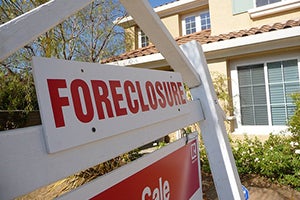
Primarily governed by California Civil Code Section 2945.4, a phantom help scam is any intentional false claim made to mislead a vulnerable property owner.
Usually, people or illegal firms pretend to be "foreclosure consultants", asserting they can renegotiate mortgages or stop bank sales.
However, they often charge illegal upfront fees, do minimal or no work, and then disappear, leaving the homeowner's financial situation much worse.
Due to California law's strong protections against real estate fraud, allegations of such offenses can lead to significant legal consequences, such as large fines and lengthy prison sentences.
The Esfandi Law Group can help you. Schedule your free consultation at (310) 274-6529 or by using the contact form.
Quick Reference Summary: California Foreclosure Fraud
|
Metric / Aspect |
Key Details & Legal Standards |
| Primary California Statute | California Civil Code 2945.4 (Foreclosure Fraud) |
| Alternative/Related Charges | Penal Code 487 PC (Grand Theft) |
| Prohibited Actions | Charging advance fees, taking power of attorney, and acquiring property liens/interests |
| Classification | Wobbler (Can be charged as a misdemeanor or a felony) |
| Misdemeanor Penalties | Up to 1 year in county jail, and/or up to $10,000 fine |
| Felony Penalties | 16 months, 2, or 3 years in county jail, and/or up to $10,000 fine |
| Sentence Enhancements | Consecutive jail time (1–5 years) and fines up to $500,000 for high-value losses |
Common Types of Phantom Help Scams
1. Foreclosure Rescue Scams
Scammers prey on people at risk of foreclosure by falsely claiming they can negotiate with banks to stop the proceedings. They often request large upfront payments, delay providing any real assistance, and only leave victims realizing they've been defrauded after the foreclosure deadline has already passed.
2. Loan Modification Scams
Fraudsters pose as "mortgage modification specialists" to deceive homeowners. They convince homeowners to send their monthly mortgage payments directly to them, claiming the funds are being held during negotiations. The scammer then pockets the money, causing the homeowner to fall further into default.
3. Phony Deed or Rent-to-Own Scams
A predatory tactic aimed at uninformed homebuyers involves scammers marketing a home already in foreclosure. They collect a large down payment, give a fake deed, and then charge monthly "rent." Ultimately, victims are evicted when the real owners reclaim the property.
Penalties for "Phantom Help" Foreclosure Fraud
In California, participating in a phantom help scheme is prosecuted as a "wobbler" offense. This means the prosecution can charge the crime as either a misdemeanor or a felony, depending on the severity of the fraud, the total financial loss, and the defendant's prior criminal history.
Convictions under Civil Code 2945.4 or Penal Code 487 PC (Grand Theft) result in the following legal penalties:
Misdemeanor Penalties
-
Jail Time: Up to 1 year in a California county jail.
-
Fines: A maximum fine of up to $10,000.
-
Probation: Probation can be granted instead of or alongside jail time.
Felony Penalties
-
Jail Time: 16 months, 2 years, or 3 years in a California county jail.
-
Fines: A maximum fine of up to $10,000.
-
Probation: Formal (felony) probation includes ongoing supervision by a probation officer.
High-Value Sentence Enhancements
If the scheme results in substantial financial losses, California law mandates strictly consecutive sentence enhancements, which add the extra time on top of the original sentence instead of running concurrently.
-
Losses over $65,000: Adds an extra 1 to 4 years to the jail sentence.
-
Losses over $100,000 (with multiple counts): Adds an extra 1 to 5 years to the jail sentence.
-
Enhanced Fines: Fines may be increased to either $500,000 or twice the actual financial loss, whichever is higher.
Restitution and Civil Liabilities
-
Victim Restitution: The court will mandate the defendant to pay complete restitution to the victims. This obligation extends beyond simply returning stolen funds and may also cover damages for emotional distress, pain, and suffering resulting from the loss or near-loss of their home.
-
Independent Civil Lawsuits: Court-ordered criminal restitution does not prevent a defendant from facing civil liability. Victims can still file separate civil lawsuits to seek extra financial damages, punitive damages, and attorney fees.
Examples of Phantom Help Schemes
Example 1: The Upfront Fee Deception
Scenario: A homeowner misses two months of mortgage payments. A consultant reaches out, offering a guaranteed principal reduction if the homeowner pays a $3,500 ''strategy fee'' upfront. After receiving the fee, the consultant takes the money and stops communicating.
Legal Violation: This breaches Civil Code 2945.4(a), which clearly prohibits collecting any payment before all contracted services are fully completed.
Example 2: The Diverted Payment Trap
Scenario: A scammer advises a worried homeowner to cease all contact with their lender and to send a lowered monthly payment of $1,200 to the consultant's company during the modification process. The consultant then takes the money, while the bank moves forward with a foreclosure sale.
Legal Violation: This constitutes Foreclosure Fraud (CC 2945.4) and Grand Theft (PC 487).
Defense Strategies Against Fraud Charges
When facing accusations of a phantom help scheme, a seasoned California criminal defense lawyer usually considers these legal defenses:
-
Lack of Fraudulent Intent: The defendant actually provided the services as agreed and aimed to assist, but external economic factors led to the foreclosure. (Note: This defense does not apply if money was received in advance, as such fees are illegal.
-
Legitimate Consent to Transact: Confirm that the homeowner explicitly agreed to the business deal on realistic, legal terms, not through deceptive claims.
Related California Laws
-
California Civil Code Section 2945.4: This law bans foreclosure consultants from charging upfront fees, acquiring property interests, or placing wage liens on distressed homeowners.
-
California Penal Code Section 487 PC (Grand Theft): Charged if money, labor, or property taken in the scheme exceeds $950 in value.
-
California Civil Code Sections 2945.2 & 2945.3: Laws specify the required language, cancellation rights, and formatting rules for foreclosure consultancy contracts.
Frequently Asked Questions (FAQs)
What is the main law governing foreclosure scams in California?
The main law is California Civil Code Section 2945.4, which strictly regulates foreclosure consultants and prohibits collecting payment until all promised services are fully delivered.
Can a foreclosure consultant charge upfront fees in California?
No. According to Civil Code 2945.4(a), a foreclosure consultant cannot claim, demand, or collect any payment until they have fully performed every service specified in their contract.
Is a phantom help scheme a misdemeanor or a felony?
In California, it is classified as a wobbler. Depending on the specifics of the crime and the monetary amount involved, prosecutors have the option to charge it as either a misdemeanor, which carries up to one year in jail, or a felony, which can result in up to three years in jail.
What happens if the fraud involves a large sum of money?
In California, if the victim's losses surpass $65,000 or $100,000, stricter sentencing enhancements are applied. This may result in an additional 1 to 5 years of consecutive imprisonment and fines reaching up to $500,000.
What should I do if I am falsely accused of a real estate scam?
You should promptly contact a qualified criminal defense attorney. Possible defenses include showing that there was no fraudulent intent or that you had legitimate consent to engage in the transaction without violating advance-fee laws.
Speak to a Qualified California Criminal Defense Lawyer
If you or a loved one is accused of real estate fraud, grand theft, or foreclosure rescue scams, the legal repercussions could significantly impact your life.
Handling intricate California laws, such as Civil Code 2945.4, requires a proactive, strategic defense to safeguard your freedom, reputation, and livelihood.
A skilled criminal defense attorney can thoroughly assess your case details, recognize the absence of fraudulent intent, and advocate for reducing or dismissing your charges. Avoid communicating with investigators or state officials without your lawyer present.
Contact the Esfandi Law Group today for a confidential case review and to discuss your legal options. We have offices in Los Angeles, CA.