
Vehicular Manslaughter Laws: Penal Code 192(c) PC
Under California Penal Code 192(c) PC, vehicular manslaughter occurs when a person causes the death of another human being while driving a vehicle by committing either an unlawful act that does not amount to a felony or a lawful act that might produce death in an unlawful manner.
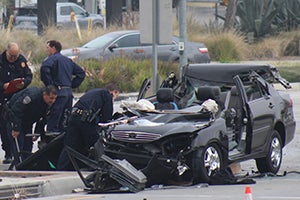
To secure a conviction under PC 192(c), prosecutors must prove that your negligent conduct or traffic violation was a substantial factor in causing the fatality. Notably, this statute applies to non-intoxicated driving; fatal accidents involving alcohol or drugs are prosecuted under separate DUI homicide laws.
Definition of Vehicular Manslaughter (PC 192(c))
“Vehicular manslaughter is the unlawful killing of a human being without malice... driving a vehicle in the commission of an unlawful act, not amounting to a felony, and with gross negligence; or driving a vehicle in the commission of an lawful act which might produce death, in an unlawful manner, and with gross negligence... [or] driving a vehicle in the commission of an unlawful act, not amounting to a felony, but without gross negligence; or driving a vehicle in the commission of a lawful act which might produce death, in an unlawful manner, but without gross negligence.” — California Penal Code 192(c) PC
The statutory language divides the offense into two primary categories based on the level of fault involved: gross negligence vs. ordinary negligence.
Elements of the Offense: What Prosecutors Must Prove
To convict a driver under California Penal Code 192(c) PC, the prosecution must establish the following three legal elements beyond a reasonable doubt:
-
Unlawful or Negligent Driving: While driving a vehicle, you committed a misdemeanor, an infraction (such as a traffic violation), or a lawful act in a negligent manner.
-
Standard of Negligence: Your conduct amounted to either ordinary negligence (failure to use reasonable care) or gross negligence (an extreme departure from ordinary care demonstrating reckless disregard for human life).
-
Causation: Your negligent act or traffic violation was the direct or substantial cause of another person's death.
Types of Vehicular Manslaughter Charges
California law classifies vehicular manslaughter depending on your state of mind, driving behavior, and level of negligence:
-
Vehicular Manslaughter With Gross Negligence (PC 192(c)(1)): Driving while committing an unlawful act or negligent lawful act with gross negligence. Gross negligence is more than simple carelessness—it is reckless behavior that a reasonable person would know creates a high risk of death or great bodily injury.
-
Vehicular Manslaughter With Ordinary Negligence (PC 192(c)(2)): Driving while committing an unlawful act or negligent lawful act with ordinary negligence. Ordinary negligence involves a failure to exercise the degree of care that an ordinarily careful person would use in the same situation.
-
Vehicular Manslaughter for Financial Gain (PC 192(c)(3)): Intentionally causing a vehicular collision for the purpose of committing financial fraud or filing a false insurance claim that results in a fatality. This is always charged as a serious felony.
Penalties & Custody Exposure for Penal Code 192(c) PC
The penalties for vehicular manslaughter in California depend heavily on whether the prosecution charges the offense with gross negligence or ordinary negligence.
|
Charge Classification |
Custody Exposure and Fines |
License & Additional Consequences |
| Gross Negligence (PC 192(c)(1)) |
Felony: 2, 4, or 6 years in California State Prison. Fine: $10,000 Misdemeanor: Up to 1 year in county jail |
Formal probation, potential mandatory 3-year DMV driver's license revocation. |
| Ordinary Negligence (PC 192(c)(2)) | Up to 1 year in county jail. Fine up to $1,000. | Summary probation, potential DMV point additions, and license suspension. |
| Financial Gain / Fraud (PC 192(c)(3)) | 4, 6, or 10 years in state prison. Fine up to $10,000 | Permanent felony record, restitution fees, and mandatory driver's license revocation. |
Hypothetical Example
Scenario: David is driving 55 mph in a 35 mph zone while checking a text message on his phone. As he approaches an intersection, he fails to notice that the light turned red and broadsides a sedan, tragically killing the driver.
Legal Analysis: David committed two traffic infractions: speeding and texting while driving. A prosecutor would argue that driving well over the speed limit while actively distracted by a cell phone constitutes gross negligence—an extreme departure from reasonable driving standards. As a result, David could be charged with felony vehicular manslaughter with gross negligence under Penal Code 192(c)(1) PC, exposing him to up to six years in state prison.
Primary Legal Defenses to Vehicular Manslaughter
A charge under Penal Code 192(c) PC does not automatically result in a conviction. An experienced criminal defense team can raise several viable legal defenses:
-
Lack of Negligence / Exercise of Reasonable Care: If you acted as a reasonably careful driver would have acted under similar circumstances, you cannot be convicted of vehicular manslaughter.
-
Sudden Emergency Doctrine: Under California law, a driver confronted with an unexpected, sudden emergency (such as an animal running into the road or a sudden brake failure) is held to the standard of a reasonable person facing that same emergency.
-
Your Actions Did Not Cause the Death: Fatal multi-vehicle accidents often stem from hazardous road design, severe weather, mechanical defects, or the reckless actions of another driver or pedestrian.
-
Impairment Misclassification: If law enforcement mistakenly suspected intoxication without evidence, defense counsel can ensure the charge remains under PC 192(c) rather than elevated DUI homicide statutes.
Related California Laws & Homicide Offenses
Vehicular manslaughter charges frequently intersect with or get elevated to other serious statutes under the California Penal and Vehicle Codes:
-
Penal Code 191.5(a) PC – Gross Vehicular Manslaughter While Intoxicated: Causing a fatal accident while driving under the influence of alcohol or drugs with gross negligence. This is a severe felony carrying 4, 6, or 10 years in state prison.
-
Penal Code 191.5(b) PC – Vehicular Manslaughter While Intoxicated (Ordinary Negligence): Causing a fatality while driving impaired with ordinary negligence. Charged as a wobbler with up to 4 years in state prison.
-
Penal Code 187 PC – Watson Murder (DUI Second-Degree Murder): Charged when an impaired driver with a prior DUI conviction or Watson advisement causes a fatal crash. Penalties include 15 years to life in state prison.
-
Vehicle Code 23153 VC – DUI Causing Injury: Driving under the influence and causing bodily injury to another person. Can be charged as a felony if injuries escalate or prove fatal.
Frequently Asked Questions (FAQs)
Is vehicular manslaughter always a felony in California?
No. Vehicular manslaughter with ordinary negligence under PC 192(c)(2) is always a misdemeanor. Vehicular manslaughter with gross negligence under PC 192(c)(1) is a "wobbler," meaning prosecutors can file it as either a misdemeanor or a felony based on the facts and your criminal history.
What is the legal difference between gross negligence and ordinary negligence?
Ordinary negligence is simple carelessness or an inadvertent lapse in judgment. Gross negligence is reckless, aggravated conduct that demonstrates a disregard for human life or an extreme departure from how an ordinarily careful person would act.
Can I be charged with vehicular manslaughter if the victim was partially at fault?
Yes. In California criminal law, multiple factors can contribute to an accident. However, if the prosecution proves your negligent driving was still a "substantial factor" in causing the crash, you can still be convicted, though comparative fault can assist in negotiating reduced charges.
How does Penal Code 192(c) differ from DUI manslaughter?
Penal Code 192(c) PC covers fatal accidents where alcohol or drugs were not a factor. Fatal crashes involving intoxicated drivers are prosecuted under Penal Code 191.5 PC or Penal Code 187 PC, which carry significantly harsher prison sentences.
Will I lose my driver's license if convicted under PC 192(c)?
Yes. A felony conviction for vehicular manslaughter with gross negligence results in a mandatory DMV driver's license revocation for at least three years. Misdemeanor convictions can also lead to suspension or points added to your driving record.
Can vehicular manslaughter charges be reduced or dismissed?
Yes. Through independent accident reconstruction, expert witness testimony, and challenging the prosecution's proof of negligence or causation, defense attorneys can frequently negotiate to have charges reduced to simple traffic violations or dismissed entirely.
Speak With a Defense Attorney
Facing charges under California Penal Code 192(c) PC is a life-altering experience that requires immediate, strategic legal intervention. Prosecutors must prove every element—including negligence and causation—beyond a reasonable doubt.
The legal team at Esfandi Law Group represents clients facing complex vehicular homicide charges throughout Los Angeles County and Southern California. Schedule your complimentary case consultation today to protect your rights and freedom.