
California Penal Code 246.3 PC: Negligent Discharge of a Firearm Explained
Under California Penal Code Section 246.3 (PC 246.3), negligently discharging a firearm or BB device is a serious legal offense that criminalizes firing a weapon with gross negligence in a manner that could result in human injury or death.
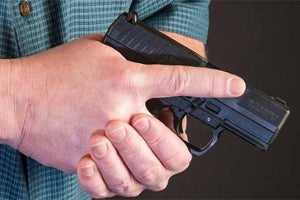
Because PC 246.3 is a "wobbler" offense in California, prosecutors have discretion to file charges as either a misdemeanor or a felony based on the facts of the incident, the presence of actual danger, and your prior criminal record.
To convict you of negligent discharge, the state must prove beyond a reasonable doubt that the discharge was willful—meaning purely accidental firings or cases where you reasonably believed the gun was unloaded do not meet the statutory criteria.
Below is a complete overview of the legal definition, penalties, defense strategies, and key statutory nuances under California law.
Legal Definition of PC 246.3(a)
“Except as otherwise provided in Section 246, any person who willfully discharges a firearm in a grossly negligent manner which could result in injury or death to a person is guilty of a public offense and shall be punished by imprisonment in a county jail not exceeding one year.”
Key Definitions & What Must Be Proven to Convict
To secure a conviction under PC 246.3, the prosecution must prove three core elements beyond a reasonable doubt:
-
Willful Discharge: You intentionally fired a firearm or BB/pellet device and knew the weapon was loaded. (Accidental discharges do not qualify.)
-
Gross Negligence: Your conduct went beyond standard carelessness, demonstrating a total disregard for human life or safety that a reasonable person would know carries a high risk of great bodily injury or death.
-
Actual Danger of Injury or Death: The trajectory or environment of the discharge created an actual possibility of hitting or harming someone.
Penalties & Sentencing
PC 246.3 is a "wobbler" offense in California law, meaning prosecutors may charge it as a misdemeanor or a felony based on case severity and past criminal history.
|
Offense Level |
Potential Jail/Prison Sentence |
Maximum Fine |
Additional Consequences |
| Misdemeanor | Up to 1 year in county jail | Up to $1,000 | Firearm restrictions |
| Felony | Up to 3 years in county jail | Up to $10,000 | California "Strike" offense, loss of firearm rights, potential deportation for non-citizens |
Sentencing Enhancements: If the discharge is linked to street gang activity under PC 186.22, a conviction can add up to 4 additional years in state prison.
Legal Defense Strategies
Building a strong defense against California Penal Code Section 246.3 requires dismantling one or more core elements the prosecution must prove beyond a reasonable doubt. Common legal defense strategies include:
-
Self-Defense or Defense of Others: Firing a weapon is legally justified if you reasonably believed you or another person faced imminent threat of death or great bodily injury, and you used no more force than necessary to counter the threat.
-
Lack of Willful Intent / Pure Accident: PC 246.3 requires an intentional act. If the weapon discharged due to a mechanical failure, accidental drop, or weapon defect, you lack the required intent for a conviction.
-
Reasonable Belief the Weapon Was Unloaded: You cannot willfully discharge a loaded firearm if you genuinely and reasonably believed the chamber and magazine were completely empty at the time of the incident.
-
No Actual Danger of Injury or Death: The statute requires that the discharge could have resulted in injury or death. If the weapon was fired in an isolated location (such as a remote clearing) with no people or habitations anywhere nearby, the required element of human danger is absent.
-
Ordinary Negligence vs. Gross Negligence: PC 246.3 demands proof of gross negligence—conduct showing a total, reckless disregard for human life. If your actions amounted only to ordinary carelessness or a momentary lapse in judgment, the charge cannot stand.
-
False Accusations or Mistaken Identity: In situations involving loud noises or crowded events, witnesses frequently misidentify who actually discharged the weapon or fabricate claims during disputes.
Real-World Examples
-
Celebratory Shooting: Firing a handgun into the air in a dense suburban neighborhood on New Year's Eve creates an actual risk of falling bullet impacts, qualifying as a felony PC 246.3 violation.
-
Target Practice in an Isolated Desert: Firing a rifle at targets on remote, private desert property with no passersby nearby lacks the element of potential human danger needed for a conviction.
-
Unintentional Cleaning Incident: A firearm discharges into the floor while being cleaned because the owner incorrectly believed the chamber was clear. This constitutes ordinary negligence, not the willful discharge required under PC 246.3.
Frequently Asked Questions (FAQs)
Is firing a BB gun or pellet gun covered under Penal Code 246.3? Yes. PC 246.3 explicitly covers BB devices and pellet guns that expel projectiles via air pressure, gas, or spring action. However, discharging a BB device under this code section is always prosecuted as a misdemeanor, not a felony.
What makes an action "grossly negligent" instead of just careless? Gross negligence requires conduct so extreme and reckless that it shows a total indifference to human safety. Ordinary negligence involves a simple lapse in judgment, whereas gross negligence involves actions that any reasonable person would know carry a severe risk of causing great bodily harm or death.
Can I be convicted if nobody was actually hurt or hit by the bullet? Yes. PC 246.3 requires only that the discharge could have resulted in injury or death. Actual injury, property damage, or contact with a person is not required to face charges or a conviction.
Is a felony conviction under PC 246.3 considered a strike under California law? Yes. A felony conviction for negligent discharge of a firearm is classified as a serious felony and counts as a "strike" under California's Three Strikes law.
Can non-citizens face deportation for a PC 246.3 conviction? Yes. Firearms offenses can trigger adverse immigration consequences under federal law. A conviction under PC 246.3—especially a felony—can lead to deportation, inadmissibility, or denial of naturalization.
What is the main difference between PC 246.3 and PC 246? PC 246 specifically penalizes firing a weapon into an inhabited dwelling, occupied building, or occupied vehicle, which carries mandatory felony charges and harsher prison sentences. PC 246.3 covers broader negligent firing into open areas or spaces where people might be exposed to danger.
Related California Laws
Understanding related California firearm statutes is essential because prosecutors frequently charge multiple offenses simultaneously, stack sentencing enhancements, or reduce charges to lesser offenses during plea negotiations. The related laws include:
California Penal Code Section 246 – Shooting at an Inhabited Dwelling or Occupied Car: Prosecutors assess whether the target was an occupied structure or vehicle to escalate charges from a simple negligent discharge to a serious felony offense carrying mandatory state prison time.
California Penal Code Section 417 – Brandishing a Weapon: Demonstrating or displaying a weapon in a rude, angry, or threatening manner often occurs immediately before or alongside an alleged negligent discharge.
California Penal Code Section 29800 – Felon in Possession of a Firearm: Any illegal discharge investigation automatically triggers background screening, leading to separate felony charges if the individual is prohibited from possessing firearms.
California Penal Code Section 25850 – Carrying a Loaded Firearm in Public: Discharging a weapon in a public space often incurs additional stacked charges for illegally transporting or carrying loaded firearms in municipal areas.
To achieve the best possible result, consult an experienced criminal defense attorney at Esfandi Law Group in California. Contact us to arrange your free consultation or fill out the contact form.