
California Penal Code 191.5(b) PC – Vehicular Manslaughter While Intoxicated (Ordinary Negligence)
Penal Code 191.5(b) PC defines vehicular manslaughter while intoxicated with ordinary negligence as causing the death of another person while operating a vehicle under the influence of alcohol or drugs.
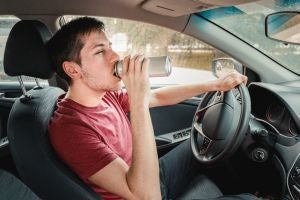
Unlike a murder charge, a conviction under PC 191.5(b) does not require malice or an intent to kill. Instead, the law penalizes individuals who combine impaired driving with a minor, careless lapse in judgment (ordinary negligence) that results in a fatal accident.
Quick Reference Summary Chart: PC 191.5(b)
|
Metric / Aspect |
Misdemeanor Prosecution |
Felony Prosecution |
| Case Classification | Misdemeanor ("Wobbler" fallback) | Felony (Standard for most fatal cases) |
| State Prison / Jail Time | Up to 1 year in county jail | 16 months, 2 years, or 4 years in California state prison |
| Maximum Base Fines | Up to $1,000 plus penalty assessments | Up to $10,000 plus penalty assessments |
| Probation Terms | 1 to 3 years of summary (informal) probation | 3 to 5 years of formal (felony) probation |
| Driver's License Impact | Mandatory revocation by the DMV | Mandatory revocation by the DMV |
| Restitution | Full restitution to the victim's estate/family | Full restitution to the victim's estate/family |
| Strike Offense? | No | Can incur sentencing enhancements if multiple injuries occur |
Legal Definition: PC 191.5(b)
"Vehicular manslaughter while intoxicated is the unlawful killing of a human being without malice aforethought, in the driving of a vehicle, where the driving was in violation of Section 23140, 23152, or 23153 of the Vehicle Code, and the killing was either the proximate result of the commission of an unlawful act, not amounting to a felony, but without gross negligence, or the proximate result of the commission of a lawful act that might produce death, in an unlawful manner, but without gross negligence."
Key Statutory Definitions
Under CALCRIM No. 591 (Judicial Council of California Criminal Jury Instructions), to convict a defendant of vehicular manslaughter while intoxicated with ordinary negligence, the prosecution must prove the following four core elements beyond a reasonable doubt:
-
Operating Under the Influence: The defendant drove a vehicle while under the influence of alcohol, drugs, or a combination of both (or with a BAC of 0.08% or higher, or 0.05% or higher if under age 21).
-
Additional Unlawful or Dangerous Act: While driving under the influence, the defendant also committed an infraction, a misdemeanor, or an otherwise lawful act that might cause death.
-
Ordinary Negligence: The defendant committed that additional misdemeanor, infraction, or lawful act with ordinary negligence.
-
Causation: The defendant's negligent conduct was the proximate cause (direct and substantial factor) of another person's death.
What Qualifies as "Ordinary Negligence"?
Ordinary negligence is the failure to act with the level of care that a reasonably prudent person would exercise under identical circumstances.
It represents a standard lapse in judgment, distinguishing it from gross negligence (the extreme, reckless disregard for human life found in PC 191.5(a)). Common examples of ordinary negligence include:
-
Glancing down at a text message or a GPS map for a split second.
-
Traveling slightly above the posted speed limit in light traffic.
-
Rolling slowly through a stop sign.
-
Following another vehicle too closely (tailgating).
Real-World Example of PC 191.5(b)
The Scenario: Marcus attends a happy hour, drinks three alcoholic beverages, and gets behind the wheel with a blood alcohol concentration of 0.09%. While driving down a suburban street, his phone buzzes. He looks away from the road for two seconds to check the notification. During that brief distraction, Marcus strikes a cyclist crossing an intersection. The cyclist suffers fatal injuries and dies.
The Legal Application: Marcus was driving while legally intoxicated. Looking at his phone constitutes a standard traffic distraction (ordinary negligence). Because this careless distraction directly caused a fatality, Marcus can be prosecuted for a felony under California Penal Code 191.5(b). If Marcus had been traveling at 95 mph in a school zone while heavily intoxicated, his actions would likely escalate to gross vehicular manslaughter (PC 191.5(a)).
Complete Penalties and Sentencing Enhancements
Penal Code 191.5(b) is a wobbler offense in California. Prosecutors review your prior criminal history, driving record, and the exact facts of the crash to determine whether to file the charge as a misdemeanor or a felony.
Misdemeanor Conviction Penalties
-
Up to 1 year inside a California county jail.
-
Base fines reaching up to $1,000 (escalating past $3,000 after assessments).
-
Informal summary probation.
Felony Conviction Penalties
-
16 months, 2 years, or 4 years in California state prison.
-
Base fines scaling up to $10,000.
-
Formal felony probation under supervision.
Great Bodily Injury (GBI) Enhancements
If the vehicle accident caused injuries to other surviving passengers or motorists in addition to the individual who died, prosecutors can append a Great Bodily Injury enhancement under PC 12022.7. This adds a consecutive 3 to 6 years to your base prison sentence for each additional victim severely hurt.
Legal Defenses to Fight the Charges
Vehicular manslaughter while intoxicated allegations are highly defensible when evaluated by forensic experts and specialized trial attorneys.
-
Challenging the Intoxication Element: Your defense team can challenge flawed chemical testing data. If blood samples were contaminated, breathalyzer equipment lacked proper Title 17 calibration, or your physiological timeline shows a rising blood alcohol curve, the DUI component can be dismantled.
-
Absence of Negligence: Traffic accidents happen quickly, and a fatal outcome does not automatically mean you were criminally negligent. If the crash was entirely unavoidable—such as a pedestrian suddenly stepping off a dark curb directly in front of your vehicle—no negligence occurred.
-
Intervening Causation: Proving that another variable was the sole cause of death. This involves demonstrating that the victim's own reckless actions, severe weather hazards, mechanical failures (such as a sudden tire blowout), or another driver's gross negligence caused the impact.
Related California Statutes
-
PC 191.5(a) – Gross Vehicular Manslaughter While Intoxicated: Charged when an impaired driver operates a vehicle with flagrant, extreme recklessness, showing total disregard for human life. It carries a maximum prison term of 4, 6, or 10 years.
-
PC 192(c) – Standard Vehicular Manslaughter: Covers fatal accidents caused by negligent driving conduct, without any chemical impairment or drug involvement.
-
PC 187 – Second-Degree Murder (Watson Murder): If an individual has a prior DUI conviction on their record, receives a formal Watson warning about the dangers of impaired driving, and subsequently causes a fatal DUI crash, the state can bypass manslaughter entirely and charge them with murder, carrying a 15-years-to-life prison sentence.
-
VC 23153 – DUI Causing Injury: Operating a vehicle under the influence and causing nonfatal physical harm to another person.
Frequently Asked Questions (FAQs)
Is PC 191.5(b) a strike offense under California's Three Strikes Law?
A standard conviction for vehicular manslaughter while intoxicated, with ordinary negligence, is not classified as a serious or violent felony "strike" on its own. However, if specific sentencing enhancements apply (such as causing major injury to multiple individuals), it can significantly affect your criminal profile.
What distinguishes ordinary negligence from gross negligence?
Ordinary negligence is a minor lapse in caution, such as glancing away from the road or failing to signal a lane change. Gross negligence is a conscious, extreme departure from safety protocols, such as street racing or driving on the wrong side of a divided highway.
Can an attorney get a PC 191.5(b) charge reduced?
Yes. Depending on gaps in the forensic evidence, a defense attorney can negotiate the charge down to standard vehicular manslaughter without intoxication (PC 192(c)) or to a non-fatal DUI causing injury (VC 23153), or secure a dismissal if causation cannot be proven.
Will my driver's license be suspended if I am convicted?
Yes. A conviction under either subsection of Penal Code 191.5 triggers an automatic, mandatory revocation of your driver's license by the California DMV.
What is an independent blood split motion?
If you underwent a chemical blood test following your arrest, your defense attorney can file a motion requesting that the state provide a portion of the physical sample to an independent laboratory for re-verification of the BAC and contamination tracking.
Can I avoid prison if charged with a felony under PC 191.5(b)?
Yes. If you have a minimal prior record and mitigating environmental or personal circumstances exist, an experienced defense attorney can advocate for an alternative sentence that includes formal probation, mandatory alcohol rehabilitation programs, and community service rather than prison time.
Secure Expert Legal Representation: Esfandi Law Group
Vehicular manslaughter while intoxicated charges require aggressive intervention and detailed accident reconstruction. State-level prosecutors pursue these cases vigorously, making early legal defense essential to safeguarding your rights and freedom.
The attorney at Esfandi Law Group can analyze blood-alcohol preservation techniques, cross-examine responding officers, and build comprehensive strategies designed to minimize your exposure.
Protect your future today by scheduling a free, private consultation:
-
Phone Call: (310) 274-6529
-
Digital Contact: Message our legal team directly through our website contact form for an immediate evaluation.