
California Penal Code 548 PC: Damaging or Abandoning a Vehicle for Insurance Fraud
Accusations of damaging, hiding, or abandoning a vehicle to collect an insurance payout represent one of the most aggressively prosecuted financial crimes in California.
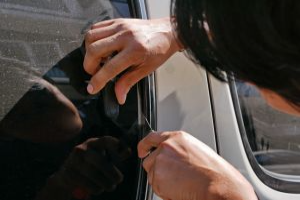
Under California Penal Code 548 PC, what might begin as a routinely flagged insurance claim or a stolen vehicle report can rapidly turn into a high-stakes felony investigation led by insurance Special Investigations Units (SIUs), local law enforcement, and county prosecutors.
Because PC 548 PC charges carry potential California State Prison exposure, hefty monetary fines, and mandatory financial restitution, understanding your legal rights and securing early legal defense during the pre-file phase is essential to avoiding life-altering penalties.
Pre-Filing Intervention & Defense Strategy
Key Takeaway: The period between an initial insurance claim investigation, police inquiry, and the District Attorney's formal charging decision is known as the pre-filing intervention phase. During this time, a criminal defense attorney can present exculpatory evidence, demonstrate a lack of fraudulent intent, expose investigative flaws, and negotiate directly with prosecutors to lower or completely dismiss charges before your first court appearance.
Legal Definition: Penal Code 548 PC
Under California Penal Code 548 PC, it is a felony offense to willfully injure, destroy, hide, abandon, or dispose of any property—specifically including motor vehicles—that is insured against loss or damage, with the specific intent to defraud or prejudice the insurance carrier.
Core Elements Prosecutors Must Prove Under PC 548 PC
To secure a conviction under Penal Code 548 PC, the prosecution must prove each of the following legal elements beyond a reasonable doubt:
-
The defendant intentionally damaged, destroyed, concealed, abandoned, or disposed of an insured vehicle.
-
The vehicle was actually insured against loss or damage at the time of the act (or the defendant genuinely believed it was insured).
-
The defendant acted with the specific intent to defraud the insurance carrier.
Crucial Legal Insight: The insurance company does not need to suffer an actual monetary loss or pay out a claim for you to be convicted under PC 548 PC. The mere act of damaging, hiding, or abandoning the vehicle with the intent to file a fraudulent claim constitutes a fully completed offense.
Quick Reference Chart: Penal Code 548 PC Statutory Overview
|
Dimension |
California Statutory Standard |
| Primary Crime Classification | Felony Offense |
| State Incarceration Term | 2, 3, or 5 Years in California State Prison (or County Jail under PC 1170(h)) |
| Maximum Criminal Fine | Up to $50,000 per violation |
| Prior Conviction Enhancement | Consecutive 2-Year State Prison Enhancement per prior auto fraud conviction |
| Mandatory Restitution | Full financial reimbursement to the victimized insurance company |
| Informal / Formal Probation | Up to 2 Years Formal Felony Probation (if prison time is suspended) |
Penalties & Consequences for PC 548 PC Convictions
Damaging or abandoning a vehicle for insurance fraud is treated as a serious felony under California law.
Statutory Felony Penalties
-
State Prison Term: 2, 3, or 5 years served in California State Prison or local county jail.
-
Monetary Fines: Criminal fines reaching up to $50,000 per count.
-
Victim Restitution: Mandatory court-ordered restitution covering all investigative and administrative costs incurred by the insurer.
-
Felony Probation: Formal felony probation terms with strict court monitoring, mandatory community service, and search conditions.
Sentence Enhancements for Repeat Offenses
If you have a prior conviction for auto insurance fraud under PC 548, PC 549, or PC 550, California law mandates a consecutive 2-year prison enhancement for each prior conviction added to your base sentence.
Collateral Consequences
-
Permanent Criminal Record: A felony fraud conviction on your background check.
-
Professional License Discipline: Suspension or revocation of state-issued licenses (e.g., real estate, nursing, accounting, contracting).
-
Immigration Status: Deemed a crime of moral turpitude, leading to potential deportation or inadmissibility for non-U.S. citizens.
Hypothetical Examples
-
Example 1 (Lack of Intent to Defraud): An owner leaves an inoperable vehicle on a rural road due to severe mechanical failure and forgets to tow it before a storm causes tree damage. An SIU investigator alleges abandonment under PC 548 PC, but defense counsel proves the owner had no intention of filing an insurance claim, resulting in dropped charges.
-
Example 2 (Pre-Filing Intervention Success): A driver falsely reports their car stolen after hiding it in a private garage to escape costly lease payments. Defense counsel steps in before the District Attorney files formal charges, presenting proof that no claim was ever submitted and securing a civil pre-charge resolution.
-
Example 3 (Insufficient Circumstantial Evidence): A vehicle catches fire in a parking lot, and law enforcement suspects arson/intentional destruction under PC 548 PC. The defense forensic investigator proves an electrical harness short caused the fire, exposing gaps in the police theory and forcing a case dismissal.
Related Laws & Statutes
-
Penal Code § 550 PC – Submitting False Insurance Claims: Prosecutes the act of presenting or filing a fraudulent insurance claim, presenting false invoices, or making duplicate claims for a single vehicle loss.
-
Penal Code § 549 PC – Soliciting Insurance Fraud Business: Makes it a wobbler offense to knowingly solicit, refer, or accept business from entities involved in auto insurance fraud schemes.
-
Vehicle Code § 10501 VC – False Report of Vehicle Theft: Prohibits filing a false or fabricated stolen vehicle report with law enforcement; frequently charged alongside PC 548 PC.
-
Penal Code § 451 PC – Arson of Property: Felony prosecution for intentionally setting fire to a vehicle; commonly charged when a car is burned to claim an insurance total loss.
-
Penal Code § 487 PC – Grand Theft: Prosecutes obtaining property or cash payouts exceeding $950 through deceptive or fraudulent means.
-
Penal Code § 182 PC – Criminal Conspiracy: Applies when two or more individuals agree to plan, execute, or cover up a vehicle destruction or abandonment insurance scheme.
Legal Defenses to PC 548 PC Charges
-
Lack of Specific Intent to Defraud: You cannot be convicted under PC 548 PC if the vehicle damage resulted from an accident, negligence, mechanical breakdown, or if you abandoned the vehicle without any intention of filing an insurance claim.
-
Legitimate Vehicle Loss or Theft: Proving the vehicle was actually stolen, vandalized, or damaged by an uncoordinated third party without your involvement or knowledge.
-
Good Faith Error or Misunderstanding: Demonstrating that statements made to investigators or insurers were honest mistakes rather than intentional misrepresentations.
-
Insufficient or Speculative Evidence: Challenging the prosecution's reliance on circumstantial SIU findings, flawed physical inspections, or unverified witness claims.
-
Constitutional Search & Seizure Violations: Filing motions to suppress evidence (such as digital records, location data, or statements) obtained through illegal searches or interrogation without Miranda warnings.
Frequently Asked Questions (FAQs)
What is Penal Code 548 PC in California?
Penal Code 548 PC is the California statute that makes it a felony to intentionally damage, destroy, conceal, abandon, or dispose of an insured vehicle to defraud an insurance company.
Is Penal Code 548 PC a felony or a misdemeanor?
Penal Code 548 PC is categorized as a straight felony in California. Unlike some white-collar fraud statutes, it is rarely charged as a misdemeanor due to the deliberate act of property destruction or concealment involved.
Can I be convicted under PC 548 PC if the insurance company never paid the claim?
Yes. You can be convicted under PC 548 PC even if the insurer denied the claim or suffered no financial loss, provided the prosecution proves you acted with the specific intent to defraud them.
What does "intent to defraud" mean under California law?
Intent to defraud means acting with the deliberate purpose to trick, cheat, or deceive an insurance company out of money or property. An honest mistake, poor judgment, or accidental damage does not satisfy this legal requirement.
Can I be charged under PC 548 PC if I don't own the vehicle?
Yes. Vehicle ownership is not a requirement under PC 548 PC. Anyone who participates in damaging, hiding, or abandoning an insured car—or who assists the owner in executing the scheme—can be prosecuted.
What is the difference between Penal Code 548 PC and Penal Code 550 PC?
PC 548 PC targets the physical act of damaging, hiding, or abandoning the insured vehicle, while PC 550 PC targets the administrative act of presenting or filing the false insurance claim itself. Prosecutors frequently charge both together.
What should I do if an insurance SIU investigator asks to interview me about a missing vehicle?
Do not provide recorded statements, answer questions, or hand over documentation without consulting a criminal defense attorney. Statements made to SIU investigators are routinely shared with law enforcement and used to build criminal fraud cases.
Can PC 548 PC charges be dismissed before my first court date?
Yes. Through pre-filing intervention, an attorney can engage with prosecutors before formal charges are filed to present exculpatory evidence, demonstrate a lack of intent, or show that the loss was legitimate, leading to dropped or reduced charges.
At Esfandi Law Group, our Los Angeles white-collar criminal defense team represents individuals, business owners, and policyholders facing state auto insurance fraud allegations across Southern California.
The most effective way to secure a favorable outcome is to consult an experienced criminal defense attorney. Schedule your free consultation by calling (310) 274-6529 or using the contact form.