
California Penal Code 451 PC – Arson Law & Penalties
Under Penal Code § 451 PC, arson is categorized as an automatic, serious felony offense when an individual willfully and maliciously sets fire to any structure, forest land, or property.
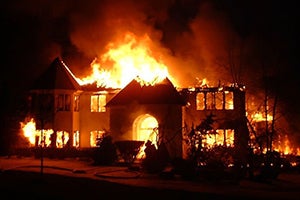
Designed to deter property destruction and combat catastrophic wildfire threats across California, PC 451 carries severe criminal consequences—including mandatory state prison sentences ranging from 16 months up to 9 years, lifetime mandatory registration on the California Arson Registry, and potential "strike" enhancements under California's Three Strikes Law.
Unlike reckless burning (PC 452)—which involves extreme carelessness or accident—PC 451 strictly applies to deliberate incendiary acts. Establishing a lack of malicious intent is a primary defense strategy used to dismiss or reduce felony arson charges in California courts.
Legal Definition (Statutory Text)
California Penal Code § 451 PC states:
"A person is guilty of arson when he or she willfully and maliciously sets fire to or burns or causes to be burned or who aids, counsels, or procures the burning of, any structure, forest land, or property."
Key Statutory Definitions
Courts rely on specific legal definitions to determine whether an act meets the threshold of felony arson under PC 451:
-
Willfully: Doing an act willingly or on purpose.
-
Maliciously: Intentionally committing a wrongful act, or acting with the unlawful intent to injure, annoy, or defraud another person.
-
Structure: Any building, bridge, tunnel, power plant, or commercial/public tent. Damage to fixtures inside a building satisfies this element if they are an integral part of the structure.
-
Forest Land: Any brush-covered land, cut-over land, forest, grasslands, or woods.
-
Property: Personal property or land other than forest land (including items like clothing, vehicles, or trash).
-
Inhabited Structure or Property: A building or dwelling currently used for living purposes, whether occupied at the moment of the fire or not.
What Must Be Proven to Convict (CALCRIM No. 1515)
To convict a defendant of simple arson under CALCRIM No. 1515, the prosecution must prove the following elements beyond a reasonable doubt:
-
The defendant set fire to, burned, or caused the burning of (or aided, counseled, or procured the burning of) a structure, forest land, or property.
-
The defendant acted willfully and maliciously.
(Note: If the fire caused great bodily injury or involved an inhabited structure, prosecutors rely on CALCRIM No. 1501 or CALCRIM No. 1502, respectively).
Penalties for PC 451 Arson
All violations of Penal Code § 451 PC are felonies. Sentence lengths vary based on the specific target of the fire and the resulting damages:
|
Offense Circumstance / Target |
CA State Prison Term |
Fine Limit |
| Arson Causing Great Bodily Injury (PC 451(a)) | 5, 7, or 9 years | Up to $10,000 |
| Arson of an Inhabited Structure or Property (PC 451(b)) | 3, 5, or 8 years | Up to $10,000 |
| Arson of an Uninhabited Structure or Forest Land (PC 451(c)) | 2, 4, or 6 years | Up to $10,000 |
| Arson of Personal Property (PC 451(d)) | 16 months, 2, or 3 years | Up to $10,000 |
Additional Sentencing Enhancements & Collateral Consequences
-
California Three Strikes Law: Arson of a structure or forest land, or arson causing great bodily injury, is a "serious" or "violent" felony and counts as a strike on a defendant's record.
-
Arson Offender Registry: Convicted individuals must register as an arson offender with local law enforcement under California Penal Code § 4571.
-
Sentence Enhancements (PC 451.1): Additional consecutive prison years (3 to 5 years) apply if the defendant has a prior arson conviction, used a device designed to accelerate the fire, or caused great bodily injury to multiple victims or emergency personnel.
Hypothetical Examples
-
Commercial Insurance Fraud: A struggling shop owner intentionally ignites combustible materials inside his store after hours to destroy inventory and claim a payout from his insurance carrier.
-
Vehicle Retaliation: An individual uses lighter fluid to set an ex-partner's car on fire in a driveway following a domestic dispute.
-
Arson of Forest Land: A hiker intentionally ignites dry brush along a hiking trail out of anger toward park authorities, burning ten acres of protected woodland.
Effective Defense Strategies
-
Absence of Willful or Malicious Intent: Defense counsel can present evidence showing the fire was started by accident or simple negligence, which defeats a PC 451 charge and can reduce the offense to misdemeanor reckless burning (PC 452).
-
Non-Arson Cause (Electrical, Mechanical, or Natural): Utilizing forensic fire origin experts to prove that the fire resulted from faulty wiring, a malfunctioning appliance, gas leaks, or natural events like lightning.
-
Own Property Exception: Burning your own personal property is not illegal under PC 451(d) unless done with the intent to commit fraud or if it injures someone else or damages another person's property.
-
Challenging Forensic Methodology: Questioning unreliable arson investigation techniques, improper evidence sample collection, or false canine accelerant alerts under legal evidentiary standards.
-
Mistaken Identity or Alibi: Providing verifiable cell phone location data, video footage, or witness statements establishing the defendant was elsewhere when the fire was set.
Related California Offenses
Understanding related California property and destruction laws is critical because prosecutors routinely file companion or alternative charges based on the specific property damaged, whether an insured loss occurred, or if a declared state of emergency was in effect.
-
Penal Code § 452 PC – Unlawfully Causing a Fire (Reckless Arson): Applies when an individual recklessly sets fire to a structure, forest land, or property without malicious intent.
-
Penal Code § 453 PC – Possession of Flammable Materials or Incendiary Devices: Prohibits possessing, manufacturing, or distributing flammable substances or incendiary devices with the specific intent to commit arson, even before a fire is ignited.
-
Penal Code § 454 PC – Arson During a State of Emergency: Imposes enhanced state prison sentences for committing arson during a governor-declared state of emergency or mandatory evacuation order.
-
Penal Code § 455 PC – Attempted Arson: Makes it a distinct felony to place flammable materials or incendiary devices near property with the intent to set a fire, even if no physical burning takes place.
-
Penal Code § 548 PC – Insurance Fraud by Destroying Property: Criminalizes damaging, hiding, or burning insured property specifically to file a fraudulent insurance claim, independent of arson charges.
-
Penal Code § 594 PC – Vandalism: Prohibits maliciously defacing, damaging, or destroying another person's real or personal property through non-thermal means or minor surface damage.
Frequently Asked Questions (FAQs)
What is the primary difference between PC 451 and PC 452?
The main difference is intent (mens rea). PC 451 (Willful Arson) requires proving the act was done "willfully and maliciously". PC 452 (Unlawfully Causing a Fire) only requires proving "reckless" behavior—acting with disregard for a known fire risk.
Is Penal Code 451 a felony or a misdemeanor in California?
Every violation of California Penal Code § 451 PC is a felony punishable by state prison. Unlike PC 452, willful arson under PC 451 cannot be charged as a misdemeanor.
Can you be charged with arson for burning your own property?
Yes. You can be convicted under PC 451 for burning your own property if you do so with the intent to commit insurance fraud, or if the fire causes injury to another person or damages someone else's building, land, or property.
Does actual structural damage have to occur for an arson conviction?
No. Complete destruction is not required. Legal precedent dictates that even minor charring or singeing of wood or building material is sufficient to satisfy the "burning" element under California arson law.
Is a PC 451 conviction considered a strike under California law?
Yes. Arson of an inhabited structure, arson of forest land or uninhabited buildings, or arson causing great bodily injury are listed as serious or violent felonies, making them "strike" offenses under California's Three Strikes Law.
The Esfandi Law Group in Los Angeles can help you. Schedule your free consultation by calling (310) 274-6529 or using the contact form.