
Penal Code 490.5 PC: California Shoplifting Civil Demand Letters
If you or a loved one are accused of shoplifting in California, you may receive a formal document in the mail demanding a cash payment.
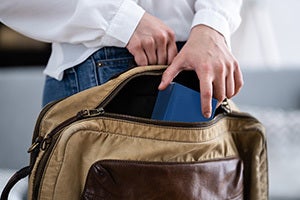
Under California Penal Code 490.5 PC, retailers and their corporate law firms have the statutory authority to issue a Civil Demand Letter to individuals accused of theft.
Receiving a demand for payment—often ranging between $50 and $500—can be intimidating. Many people panic and pay immediately, assuming it will erase the incident or prevent law enforcement involvement.
However, paying a civil demand does not grant criminal immunity and can carry unintended legal consequences.
What Is a California Civil Demand Letter Under PC 490.5?
A civil demand letter is a legal mechanism created by California statute that allows merchants to recover monetary damages directly from alleged shoplifters without first going to court.
When a retailer's loss prevention team detains someone for suspected shoplifting, they record the individual's name and address.
Even if the stolen merchandise is immediately recovered in pristine, sellable condition, the retailer's corporate attorneys can still issue a civil demand notice.
|
Statutory Element |
Legal Rule Under California Law |
Practical Impact on Alleged Offender |
| Statutory Authority | Penal Code 490.5 PC | Empowers retail merchants to demand civil recovery without involving law enforcement or criminal proceedings. |
| Maximum Demand Limit | Up to $500 in statutory penalties plus actual losses | Retailers routinely demand the maximum $500 to cover inventory damage and loss prevention staffing costs. |
| Collection Enforcement | Small Claims Court lawsuit | If unpaid, the merchant's only legal remedy is to file a lawsuit in civil court to collect the debt. |
How Does a Civil Case Differ From a Criminal Charge?
Understanding the separation between civil financial remedies and criminal court prosecution is critical when evaluating a civil demand letter:
-
The Civil Demand (PC 490.5): This is a monetary dispute between a private company (the retailer) and a private individual. Payment goes directly to the business or its debt-collection attorneys to compensate for operational costs.
-
The Criminal Charge (PC 459.5): Under Penal Code 459.5 PC, shoplifting is defined as entering an open business during normal hours with the intent to steal merchandise valued at $950 or less. Shoplifting is a misdemeanor prosecuted by the local District Attorney or City Attorney—not the retail store.
-
Statutory Penalties: A criminal conviction for misdemeanor PC 459.5 shoplifting carries penalties of up to one year in county jail and court fines of up to $1,000, along with a permanent criminal record.
What Happens if You Pay or Ignore a Civil Demand Letter?
To evaluate how to respond to a shoplifting civil demand notice, consider this hypothetical scenario:
Case Study: The Mall Retailer Demand
The Incident: Sarah is detained at a local shopping mall after taking $150 worth of clothing. Loss prevention recovers the items uninjured, calls the police, and issues Sarah a trespass warning before releasing her.
The Letter: Two weeks later, Sarah receives a civil demand letter in the mail from a law firm representing the store, demanding $350 for administrative and loss-prevention overhead under California PC 490.5.
Scenario A (Immediate Payment): Sarah pays the $350 online immediately, thinking it closes the matter. Three weeks later, she receives a criminal court summons in the mail from the District Attorney charging her with misdemeanor shoplifting under PC 459.5. The prosecutor is legally allowed to proceed because the store cannot sell criminal immunity. Furthermore, prosecutors may use Sarah's payment as an acknowledgment of the incident.
Scenario B (Legal Consultation & Strategy): Sarah consults a defense attorney. Counsel advises her that retailers rarely file small claims court lawsuits to collect unpaid $350 demands because the filing fees and legal expenses far exceed the recovery amount. The attorney manages communication with the merchant and prepares a preemptive defense strategy to address or divert any potential criminal filings with the prosecutor.
Frequently Asked Questions (FAQs)
Does paying a civil demand letter protect me from criminal prosecution?
No. Paying a civil demand letter does not give you legal immunity. The local prosecutor (District Attorney or City Attorney), not the retail store, decides whether to file criminal shoplifting charges. A prosecutor can move forward with PC 459.5 misdemeanor charges regardless of whether you paid the civil demand.
What happens if I ignore a shoplifting civil demand letter?
If you ignore the letter, the retailer or its collection agency can choose to sue you in small claims court under Penal Code 490.5 PC. However, because filing fees and court costs often exceed the amount demanded (usually $100 to $500), major retail chains rarely follow through with civil lawsuits for small-scale shoplifting incidents.
Will paying a civil demand go on my criminal record?
No. A civil demand is a private financial dispute and does not appear on your official state or federal criminal record (rap sheet). However, if the store reported the incident to law enforcement and the prosecutor files PC 459.5 charges, those criminal court proceedings will appear on background checks unless resolved or expunged.
Can store loss prevention officers legally detain me for shoplifting?
Yes. Under California's Shopkeeper's Privilege (codified in PC 490.5), store owners and authorized merchants can temporarily detain a person if they have probable cause to believe the individual is attempting to steal merchandise. Merchants may examine recovered items and hold the individual for a reasonable time to notify law enforcement.
Does paying a civil demand letter count as an admission of guilt?
While paying a civil demand is technically a civil settlement intended to compensate the retailer, prosecutors sometimes attempt to frame the payment as an implicit admission of wrongdoing. Paying without legal counsel can expose you to unnecessary risk if criminal charges are filed later.
How much can a retailer demand under California PC 490.5?
Under Penal Code 490.5, retailers can demand between $50 and $500 in statutory penalties, plus additional costs for any actual damages or unrecovered merchandise.
How We Can Help You
Navigating a shoplifting accusation requires a defense strategy that protects both your financial interests and your clean criminal record. Acting without legal advice can lead to costly mistakes.
The best way to secure a favorable outcome is to consult an experienced criminal defense attorney at Esfandi Law Group in Los Angeles. Call us to schedule your free consultation or use the contact form.