
California Penal Code 243(d) Aggravated Battery – Laws, Penalties, Defenses, and Examples
California Penal Code 243(d) PC (PC 243(d)) defines aggravated battery (also referred to as "battery causing serious bodily injury") as any willful and unlawful use of physical force or violence against another person that results in a severe physical injury.
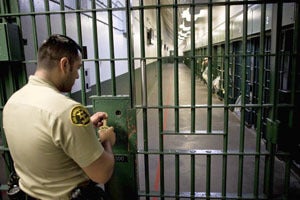
While simple battery under PC 242 involves offensive physical contact without requiring harm, PC 243(d) applies when the physical contact results in a significant or substantial injury.
Legal Definition of PC 243(d)
Under California Penal Code § 243(d), the legal definition of battery causing serious bodily injury reads as follows:
"When a battery is committed against any person and serious bodily injury is inflicted on the person, the battery is punishable by a fine not exceeding two thousand dollars ($2,000), or by imprisonment in a county jail not exceeding one year, or by both that fine and imprisonment, or by imprisonment pursuant to subdivision (h) of Section 1170 for two, three, or four years."
Key Legal Elements Prosecutors Must Prove
To secure a conviction under PC 243(d), the prosecution must establish the following four elements beyond a reasonable doubt:
-
Willful Physical Contact: You intentionally touched or applied force to another person, directly or indirectly. "Willfully" means acting willingly or on purpose, rather than by accident.
-
Harmful or Offensive Manner: The touching was conducted in a rude, angry, aggressive, or violent manner.
-
Causation of Serious Bodily Injury: The victim suffered a serious bodily injury as a direct result of the physical contact.
-
Lack of Legal Justification: You were not acting in lawful self-defense, defense of others, or exercising permissible force.
Crucial Distinction: The prosecution is not required to prove that you intended to cause a serious injury. They only need to prove that you intended to make the initial physical contact and that the contact directly caused the serious injury.
What Qualifies as a "Serious Bodily Injury"?
Under California criminal law, a serious bodily injury is defined as a substantial impairment of physical condition. It must be more than minor or superficial harm, though it does not necessarily require emergency hospitalization or permanent damage.
Courts and juries evaluate injuries on a case-by-case basis using medical records, photos, and expert witness testimony. Common examples of qualifying injuries include:
-
Bone Fractures: Broken bones, cracked ribs, or facial fractures.
-
Head Trauma: Concussions, loss of consciousness, or traumatic brain injuries.
-
Lacerations & Wounds: Deep cuts or wounds requiring sutures (stitches) or surgical repair.
-
Disfigurement: Visible facial scarring, dental damage, or permanent physical alteration.
-
Organ Impairment: Internal bleeding, organ damage, or long-term bodily dysfunction.
Penalties for Penal Code 243(d) PC
California Penal Code 243(d) is a wobbler offense, meaning prosecutors have the discretion to file the charge as either a misdemeanor or a felony.
The charging decision depends primarily on the severity of the victim's injuries, the degree of force used, and the defendant's prior criminal record.
California Penal Code 243(d) Sentencing & Penalty Breakdown
|
Classification |
Statutory Jail / and Fines |
Additional Legal Consequences |
| Misdemeanor Aggravated Battery | Up to 1 year in county jail and fines up to $1,000 | Restitution payments to victim, domestic violence or anger management classes, criminal record, restraining orders. |
| Felony Aggravated Battery | 2, 3, or 4 years in California state prison and fines up to $10,000 | Potential Strike under California's Three Strikes Law (if Great Bodily Injury is proven), loss of firearm rights (lifetime ban), immigration deportation for non-citizens. |
Hypothetical Examples
-
Bar Altercations: A fight inside a venue escalates, and a push causes someone to fall backward onto concrete, shattering their wrist.
-
A Single Strike: Throwing a single punch during a heated verbal debate that knocks the other person unconscious or breaks their nose.
-
Domestic Conflicts: Pushing an intimate partner during a domestic dispute, resulting in a concussion or severe lacerations.
-
Group Fights: Participating in a physical brawl where your direct physical actions lead to significant bodily injury for another participant.
Example
Scenario: During a dispute over a parking space at a shopping center, Julian shoves David backward. David trips over the curb, falls awkwardly, and suffers a compound fracture in his ankle requiring emergency surgery. Julian claims he only meant to push David away and never intended to break his bone.
Legal Outcome: Under California Penal Code 243(d), Julian can be charged with felony aggravated battery. The prosecution does not need to show that Julian intended to break David's ankle—only that Julian intentionally pushed David ("willful touching") and that the physical push directly caused a "serious bodily injury."
Common Legal Defenses to PC 243(d) Charges
-
Self-Defense or Defense of Others: You reasonably believed that you or another person were in imminent danger of suffering bodily harm, and you used only the degree of force reasonably necessary to prevent that harm.
-
Lack of Serious Bodily Injury: The victim's injuries do not meet the legal standard of "serious bodily injury." If the harm is minor (e.g., small bruises or minor scrapes), your attorney can fight to reduce the charge to simple battery under PC 242.
-
Accidental Contact (Lack of Intent): The physical contact was unintentional, accidental, or caused by a stumble or loss of balance during a chaotic situation.
-
Causation Issues: The serious injury was not caused by your actions, but occurred prior to the altercation, after the event, or due to an independent third party's actions.
-
False Accusations & Misidentification: The allegations were fabricated, exaggerated, or filed out of anger, or you were misidentified during a chaotic group altercation.
Related California Offenses
-
PC 242 – Simple Battery: Willful and unlawful use of physical force without requiring serious injury.
-
PC 240 – Simple Assault: An unlawful attempt, coupled with present ability, to commit a violent injury on another person (no physical contact required).
-
PC 245(a)(1) – Assault with a Deadly Weapon (ADW): Assaulting someone using a deadly weapon or force likely to produce great bodily injury.
-
PC 243(e)(1) – Domestic Battery: Unlawful physical contact committed against a spouse, cohabitant, or intimate partner (does not require physical injury).
-
PC 273.5 – Corporal Injury to Spouse/Cohabitant: Intentionally inflicting physical injury resulting in a traumatic condition on an intimate partner.
-
PC 368 – Elder Abuse: Physical abuse, neglect, or financial exploitation inflicted upon an elder (65 years or older) or dependent adult.
Frequently Asked Questions (FAQs)
What is the main difference between simple battery (PC 242) and aggravated battery (PC 243(d))?
Simple battery under PC 242 requires intentional physical contact but not any physical injury. Aggravated battery under PC 243(d) requires that the physical contact results in a "serious bodily injury" (e.g., broken bones, concussions, or deep lacerations).
Does aggravated battery under PC 243(d) count as a "strike" in California?
A felony conviction under PC 243(d) becomes a violent felony "strike" under California's Three Strikes Law if the prosecution specifically proves that you personally inflicted "great bodily injury" (GBI) under Penal Code 12022.7.
Can I be convicted of PC 243(d) if I didn't mean to hurt the person?
Yes. Under California law, prosecutors do not need to prove that you intended to cause an injury or intended the severity of the injury. They only need to prove that your physical act was intentional and that it directly caused the serious injury.
Can a felony PC 243(d) charge be reduced to a misdemeanor?
Yes. Because PC 243(d) is a wobbler offense, a defense attorney can negotiate with prosecutors or petition the court under California Penal Code 17(b) to reduce a felony charge to a misdemeanor based on weak medical evidence, self-defense claims, or a lack of prior criminal history.
What happens if the victim refuses to press charges for battery?
In California, criminal charges are brought by the District Attorney's office, not the victim. Even if the victim requests that charges be dropped, prosecutors can still proceed with PC 243(d) charges based on hospital records, police officer testimony, and 911 audio recordings.
Is hospital treatment mandatory for an injury to be considered "serious"?
No. While medical records and emergency care are commonly used to prove injury severity, an injury can still be legally classified as a "serious bodily injury" based on photographs, witness observations, or the physical impairment itself (such as a concussion or loss of consciousness).
Speak With a California Criminal Defense Attorney
Facing allegations under California Penal Code 243(d) carries severe risks, including potential prison time, a permanent violent felony record, and substantial financial restitution. Early intervention by an experienced criminal defense lawyer allows for immediate evaluation of medical records, witness credibility, and potential self-defense claims.
Esfandi Law Group provides aggressive defense representation for battery charges across California. Contact our defense team for a free and confidential consultation.