
California Battery on a Peace Officer – Penal Code 243(b) & 243(c) PC
California treats physical altercations involving law enforcement and public safety personnel with heightened severity.
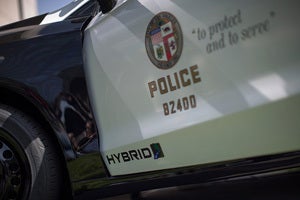
Under California Penal Code 243(b) PC and 243(c) PC, committing a battery against a peace officer or protected official while performing their duties carries significantly enhanced penalties compared to simple battery.
Legal Definition of Battery on a Peace Officer
The statutory baseline for battery is established under California Penal Code § 242. When applied to law enforcement and protected personnel under Penal Code § 243(b) and § 243(c), the statutory language defines the offense as follows:
"When a battery is committed against the person of a peace officer, custodial officer, firefighter, emergency medical technician, mobile intensive care paramedic, emergency room physician, emergency room nurse, search and rescue personnel, or other person described in this code, engaged in the performance of his or her duties... the battery is punishable by a fine not exceeding two thousand dollars ($2,000), or by imprisonment in a county jail not exceeding one year, or by both that fine and imprisonment."
— California Penal Code § 243(b)
"When a battery is committed against an officer described in paragraph (1) of subdivision (b) engaged in the performance of his or her duties, whether on or off duty... and an injury is inflicted on that victim, the battery is punishable by a fine of not more than two thousand dollars ($2,000), by imprisonment in a county jail not exceeding one year, or by imprisonment pursuant to subdivision (h) of Section 1170 for 16 months, two, or three years."
— California Penal Code § 243(c)(1)
Key Legal Elements Prosecutors Must Prove
To secure a criminal conviction under PC 243(b) or PC 243(c), the prosecution must prove the following five core elements beyond a reasonable doubt:
-
Willful Physical Contact: You intentionally touched or applied force to the officer, directly or indirectly. "Willfully" means acting willingly or on purpose, not accidentally.
-
Harmful or Offensive Manner: The contact was made in a rude, angry, aggressive, or disrespectful manner. Physical pain or visible injury is not required for a PC 243(b) charge.
-
Protected Status: The victim was a peace officer or qualified protected official (e.g., firefighter, EMT, process server, custody officer).
-
Lawful Performance of Duties: The officer was actively engaged in the lawful performance of their official duties at the time of the incident.
-
Knowledge of Protected Status: You knew, or reasonably should have known, that the individual was a peace officer or protected official performing official duties.
What Qualifies as "Force or Violence" & "Lawful Performance"?
Force or Violence
California courts broadly interpret physical contact under the PC 242 baseline standards. Force does not need to be severe or cause bodily harm.
-
Direct Actions: Shoving an officer, slapping an officer's hand away, or grabbing their uniform.
-
Indirect Actions: Throwing an object (such as a phone, bottle, or keys) that strikes the officer, or kicking a car door into an officer during a vehicle stop.
-
Bodily Fluids: Spitting or throwing liquids onto an officer.
The Lawful Performance Requirement
A critical defense threshold in PC 243(b) and 243(c) cases is whether the officer was acting lawfully. If an officer executes an illegal detention, conducts an unconstitutional search, or uses excessive physical force, they are legally deemed not to be engaged in the lawful performance of their duties.
If the prosecution fails to prove lawful performance beyond a reasonable doubt, charges under PC 243(b) or PC 243(c) cannot stand and must be dismissed or reduced to simple battery (PC 242) or resisting arrest (PC 148(a)(1)).
Penalties for Penal Code 243(b) & 243(c) PC
Penal Code 243(b) is a misdemeanor, while Penal Code 243(c) is a wobbler offense that can be charged as a misdemeanor or a felony depending on the severity of the injury, defendant's criminal history, and case facts.
California Battery on a Peace Officer Penalty Chart
|
Statute |
Charge Description |
Custody and Fines |
| PC 243(b) | Battery on Peace Officer / Emergency Personnel | Up to 1 year in county jail and a fine up to $2000 |
| PC 243(c)(1) | Battery on Peace Officer with Medical Injury | Up to 1 year in county jail and a fine up to $2,000 |
| PC 243(c)(1) | Battery on Peace Officer with Medical Injury | 16 months, 2 years, or 3 years in state prison. Fine up to $10,000 |
| PC 243(d) | Battery Causing Serious Bodily Injury to Officer | Up to 4 years in state prison. Fine up to $10,000 |
Collateral Consequences
-
Probation: 1 to 3 years of summary (misdemeanor) or formal (felony) probation.
-
Restitution: Mandatory court-ordered financial compensation for officer medical bills or damaged police property.
-
Immigration Status: Felony convictions or offenses involving violent allegations can trigger deportation or inadmissibility proceedings for non-citizens.
-
Firearm Rights: A felony conviction results in a lifetime prohibition against purchasing or owning firearms in California.
Hypothetical Examples
-
Example 1 (No-Injury Misdemeanor - PC 243(b)): During a nightclub sidewalk argument, plainclothes officers in clearly marked tactical vests step in to disperse the crowd. Frustrated, Kevin shoves an officer's chest with both hands. The officer stumbles back but suffers no physical injury. Because Kevin intentionally pushed a visibly identified officer performing official duties, he can be charged with misdemeanor battery on a peace officer under PC 243(b).
-
Example 2 (Injury Wobbler - PC 243(c)): While being handcuffed during a traffic stop, Sarah pulls her arms away aggressively and kicks backward, striking the arresting officer in the knee. The blow causes severe swelling and a ligament strain requiring treatment at a local clinic. Because the intentional contact resulted in an injury requiring professional medical intervention, prosecutors can file charges under PC 243(c) as either a misdemeanor or a felony.
-
Example 3 (Unlawful Officer Conduct Defense): An officer executes a traffic stop without reasonable suspicion or legal cause. When the driver asks why he was stopped, the officer violently drags him from the vehicle. The driver instinctively flails his arms, striking the officer's shoulder. Because the officer was using excessive force and unlawfully detaining, he was not engaged in the "lawful performance of duties." The PC 243(b) charge can be challenged and dismissed.
Common Legal Defenses Against PC 243(b) & 243(c) Charges
-
Self-Defense Against Excessive Police Force: You have a legal right to protect yourself using reasonable force if a law enforcement officer uses excessive, unconstitutional, or unreasonable physical force.
-
Officer Was Not Engaged in Lawful Duties: If the officer conducted an unlawful search, executed an arrest without probable cause, or acted outside their jurisdiction, they were not performing lawful duties.
-
Lack of Intent (Accidental Contact): The physical contact was unintentional, resulting from tripping, loss of balance, or a reflexive reaction during a chaotic altercation.
-
Lack of Knowledge of Protected Status: You did not know, nor should you reasonably have known, that the individual was an officer (e.g., plainclothes/undercover officers who failed to properly identify themselves).
-
No Harmful, Offensive, or Intentional Touching: The physical touch was incidental, minimal, or mischaracterized by law enforcement reports and body camera footage.
Related California Offenses
-
PC 242 – Simple Battery: Unlawful physical force applied to a civilian (misdemeanor).
-
PC 240 – Simple Assault: An unlawful attempt, with present ability, to commit violent injury on another (no contact required).
-
PC 241(c) – Assault on a Peace Officer: Attempting to use force against an officer engaged in official duties without actual physical contact occurring.
-
PC 148(a)(1) – Resisting, Delaying, or Obstructing an Officer: Willfully delaying or resisting an officer performing official duties without physical battery.
-
PC 69 – Resisting an Executive Officer: Using threat, force, or violence to deter or prevent an executive officer from performing their duties (wobbler/felony).
-
PC 245(c) – Assault with a Deadly Weapon on a Peace Officer: Assaulting a law enforcement official using a deadly weapon or force likely to produce great bodily injury.
Frequently Asked Questions (FAQs)
Is any physical contact with a police officer considered a crime?
No. The contact must be willful and committed in a harmful or offensive manner. Accidental contact, lost balance, or incidental touching during crowded or chaotic events does not meet the statutory requirements for battery.
Can I be charged under PC 243(b) if the police officer was not injured?
Yes. Penal Code 243(b) does not require any physical injury. Any intentional, non-consensual touching done in a rude or aggressive manner toward an officer performing lawful duties satisfies the statute.
What if I did not know the person was a plainclothes police officer?
Knowledge of the officer's status is an essential element of the crime. If an officer was in plain clothes, unbadged, or in an unmarked vehicle and failed to identify themselves, you cannot be convicted under PC 243(b) or 243(c).
Can I legally defend myself if an officer uses excessive physical force?
Yes. While you cannot resist a lawful arrest, California law grants individuals the right to use reasonable force to defend themselves if an officer uses excessive or unlawful physical force.
What is the main difference between PC 243(b) and PC 243(c)?
PC 243(b) applies to non-injury battery against protected officials and is always a misdemeanor. PC 243(c) applies when the officer suffers an injury requiring professional medical treatment and can be charged as a misdemeanor or a felony.
How can police body-camera footage affect my battery defense?
Bodycam and dashcam video footage frequently serve as the central evidence in court. Video can expose whether the officer used excessive force, whether contact was accidental, and whether police reports accurately reflect what happened.
Speak With a California Criminal Defense Lawyer
Allegations of battery on a peace officer carry severe legal consequences, but an arrest does not guarantee a conviction. Securing early legal intervention enables defense counsel to obtain body camera footage, interview eyewitnesses, and challenge unlawful police conduct before charges are finalized.
Esfandi Law Group provides experienced criminal defense representation to clients facing battery and law-enforcement-related charges throughout California. Contact our legal team today to schedule your free consultation.