
California Penal Code § 452 PC – Unlawfully Causing a Fire (Reckless Burning)
Under Penal Code § 452 PC, unlawfully causing a fire—commonly referred to as "reckless burning"—is a serious crime that penalizes starting a fire through gross carelessness or conscious disregard of a known fire danger.
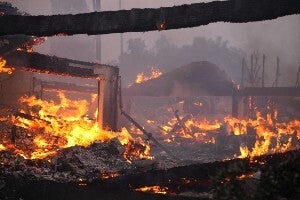
Unlike willful arson (PC 451), which requires proof of intent to cause harm or destroy property, PC 452 applies when an individual acts with severe recklessness without intending to burn down a structure or forest. Penal Code § 452 PC is classified as a wobbler offense.
Depending on the property damaged, injuries caused, or whether the fire was used to facilitate organized retail theft, prosecutors can charge PC 452 as either a misdemeanor (up to 1 year in county jail) or a felony (up to 6 years in state prison).
Proving that an event was a true accident or simple negligence—rather than legal recklessness—is the primary defense strategy used to dismiss PC 452 charges.
Legal Definition (Statutory Text)
California Penal Code § 452 PC states:
"A person is guilty of unlawfully causing a fire when they recklessly set fire to, burn, or cause to be burned any structure, forest land, or property."
Key Statutory Definitions
Courts rely on specific legal standards to separate criminal recklessness from non-criminal accidents:
-
Recklessly: You act recklessly when you are aware that your actions present a substantial and unjustifiable risk of causing a fire, you consciously ignore that risk, and ignoring it constitutes a gross deviation from how a reasonable person would act in the same situation.
-
Structure: Any building, bridge, tunnel, power plant, or commercial facility.
-
Forest Land: Any brush-covered land, cut-over land, grasslands, timberland, or woods.
-
Inhabited Structure or Property: A dwelling, house, motorhome, or building currently used for living purposes, whether occupied at the time of the fire or not.
-
Organized Retail Theft Aggravation (PC 452(f) / SB 1242): Unlawfully causing a fire within a merchant's premises to facilitate organized retail theft serves as an explicit statutory factor in aggravation during sentencing.
What Must Be Proven to Convict (CALCRIM No. 1532)
To convict a defendant of unlawfully causing a fire under CALCRIM No. 1532, the prosecution must prove the following elements beyond a reasonable doubt:
-
The defendant set fire to, burned, or caused the burning of a structure, forest land, or property.
-
The defendant did so recklessly.
-
The defendant did not own the property, or, if they did, the fire injured another person or damaged another person's structure, forest land, or property.
Penalties for PC 452 Reckless Burning
Penal Code § 452 PC is a "wobbler" offense in California (except when restricted to personal property). Prosecutors can charge it as a misdemeanor or a felony based on the extent of damage, injuries, and the defendant's criminal record:
|
Offense Circumstance / Target |
Misdemeanor Penalty |
Felony State Prison Term |
| Reckless Burning Causing Great Bodily Injury (PC 452(a)) | Up to 1 year in county jail / $1,000 fine | 2, 4, or 6 years in state prison |
| Reckless Burning of an Inhabited Structure/Property (PC 452(b)) | Up to 1 year in county jail / $1,000 fine | 2, 3, or 4 years in state prison |
| Reckless Burning of Uninhabited Structure/Forest Land (PC 452(c)) | Up to 6 months in county jail / $1,000 fine | 16 months, 2, or 3 years in state prison |
| Reckless Burning of Personal Property (PC 452(d)) | Up to 6 months in county jail / $1,000 fine | N/A (Standard Misdemeanor Only) |
Hypothetical Examples
-
Discarded Smoldering Material: A hiker throws a lit cigarette butt into dry brush during a high-wind red flag warning, igniting a wildland fire.
-
Unattended Outdoor Campfire: Campers leave an active campfire unattended overnight in a dry canyon, leading to thermal spread that burns a nearby cabin.
-
Smash-and-Grab Distraction Fire: An individual ignites paper inside a retail aisle to distract loss prevention staff during a coordinated store theft.
Effective Defense Strategies
-
Ordinary Negligence / True Accident: Acting carelessly or forgetfully (e.g., forgetting to turn off an iron or stove) does not meet the high legal threshold of "recklessness." Establishing that the act was a true accident defeats the charge.
-
Unforeseeable Intervening Cause: Proving that the fire was spread or caused by an unexpected external event, such as a sudden utility power line failure, equipment defect, or extreme sudden weather shift.
-
Own Property Exemption: Under PC 452(d), recklessly burning your own personal property is not illegal unless the fire causes bodily injury to another person or damages someone else's property or land.
-
Mistaken Identity or False Accusation: Demonstrating through alibi evidence, surveillance footage, or cell tower data that you were not present when the fire was ignited.
-
Motion to Suppress Evidence (PC 1538.5): Challenging evidence gathered by law enforcement through illegal detentions, warrantless searches, or Fourth Amendment violations.
Related California Offenses
Understanding related California property and destruction laws is critical because prosecutors routinely file companion or alternative charges based on the specific property damaged, whether an insured loss occurred, or if a declared state of emergency was in effect.
-
Penal Code § 451 PC – Willful and Malicious Arson: Applies when an individual intentionally sets fire to property or structures with malice, carrying automatic felony penalties.
-
Penal Code § 454 PC – Arson During a State of Emergency: Imposes enhanced prison sentences for fire offenses committed during a governor-declared state of emergency or evacuation order.
-
Penal Code § 455 PC – Attempted Arson: Criminalizes placing flammable materials or devices near property with the intent to cause a fire, even if no burning occurs.
-
Penal Code § 594 PC – Vandalism: Prohibits defacing, damaging, or destroying another person's property through non-thermal means.
-
Health and Safety Code § 13001 HSC – Causing a Fire by Discarding Cigarettes or Cigars: A specialized misdemeanor covering fires started by throwing lit cigarettes, matches, or flaming substances onto land.
Frequently Asked Questions (FAQs)
What is the legal difference between PC 451 and PC 452?
Penal Code § 451 PC requires proof that the defendant acted "willfully and maliciously" (intentionally setting a fire to cause harm or commit fraud). Penal Code § 452 PC only requires proof of "recklessness" (acting with gross disregard for a known fire risk without intending to cause harm).
Can an accident be charged as reckless burning under PC 452?
Simple accidents or minor negligence do not qualify as reckless burning. For a conviction, prosecutors must show you were aware that your actions created a substantial fire risk and consciously chose to ignore that risk.
Is reckless burning a felony or a misdemeanor in California?
PC 452 is a "wobbler" offense. Recklessly burning personal property is a misdemeanor, but if the fire burns forest land, an uninhabited structure, an inhabited dwelling, or causes great bodily injury, it can be charged as a felony.
Can you go to prison for accidentally starting a wildfire?
Yes. If you start a wildfire through reckless behavior—such as ignoring red flag warnings or burning debris during prohibited periods—you can face felony charges under PC 452(c), carrying up to 3 years in state prison.
How does SB 1242 affect PC 452 reckless burning charges?
Under PC 452(f), enacted via SB 1242, unlawfully causing a fire within a retail merchant's business to facilitate organized retail theft acts as an aggravating factor, allowing judges to impose harsher felony sentences.
Can a PC 452 reckless burning conviction be expunged?
Yes. Misdemeanor PC 452 convictions and felony convictions with probation can generally be expunged under Penal Code § 1203.4 after you successfully complete probation requirements.
The best way to secure a favorable outcome is to consult an experienced criminal defense attorney at Esfandi Law Group in California. Call us to schedule your free consultation or use the contact form. Our law firm is located in Los Angeles.