
Possession of Burglary Tools: Penal Code 466 PC
According to California Penal Code 466 PC, it is a misdemeanor to possess certain tools or instruments with the intent to unlawfully break into any building, structure, or vehicle.
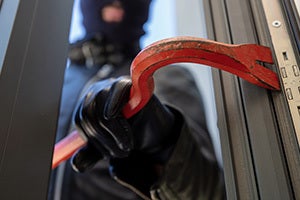
While carrying everyday household tools like screwdrivers or pliers is perfectly legal, possessing them with the specific intent to commit a crime triggers criminal liability under California law.
California Penal Code 466 PC is a proactive law designed to deter property crimes by criminalizing the preparatory stages of a burglary.
You can be charged under PC 466 even if you never actually break into a structure or vehicle.
The Esfandi Law Group can help you. Schedule your free consultation by calling (310) 274-6529 or using the contact form.
California Penal Code 466 PC: Quick Reference Chart
|
Category |
Key Details & Statutory Requirements |
| Legal Classification | Misdemeanor |
| Core Offense | Possessing a burglary tool with the specific intent to break or enter into a building, structure, or vehicle. |
| Commonly Listed Tools | Screwdrivers, crowbars, slim jims, picklocks, tension bars, master keys, vice-grip pliers, and ceramic/porcelain spark plug pieces. |
| What the State Must Prove |
1. Possession: You had actual or constructive control over the tool. 2. Knowledge: You knew you had the tool. 3. Felonious Intent: You intended to use it to commit a break-in. |
| Maximum Penalties |
• Up to 6 months in county jail • Fines up to $1,000 • Summary (informal) probation |
| Primary Legal Defenses |
• Lack of Intent: Tools were carried for a lawful purpose (e.g., DIY, trade work). • Lack of Possession: The tools belonged to someone else or were in a shared public space. • Illegal Search: The tools were found during an unlawful police search. |
The Legal Definition of Burglary Tools
The legal wording of PC 466 clearly specifies several objects typically linked to forced entry, along with a general clause covering similar items.
-
Common Tools: Screwdrivers, crowbars, vice-grip pliers, water-pump pliers, and bolt cutters.
-
Locksmithing & Bypass Gear: Picklocks, key bits, slim jims, tension bars, lock pick guns, tubular lock picks, bump keys, and master keys.
-
Specialized Objects: Slide hammers, floor-safe door pullers, and ceramic or porcelain spark plug chips or fragments, which are often thrown to silently shatter vehicle windows.
-
Catch-All Clause: Any "other instrument or tool" when possessed with the necessary criminal intent.
Statutory Scope: The law safeguards not only traditional residential and commercial structures but also railroad cars, aircraft, vessels, trailer coaches, and motor vehicles.
Elements of the Crime: What the Prosecution Must Prove
To obtain a conviction for possessing burglary tools in California, the prosecutor must prove three separate elements beyond a reasonable doubt.
1. Possession of a Prohibited Tool
The prosecution is required to demonstrate that you had either one of the tools specified in the statute or an item that could be used as a burglary tool. Possession can be classified into two legal categories:
-
Actual Possession: The tool was physically with you, such as in your pockets or backpack.
-
Constructive Possession: The tool was not in your possession, but you had direct control over it or the place where it was located (such as inside your car's trunk or your storage unit).
2. Knowledge
You must have realized that the tool or instrument was in your possession.
3. Felonious Intent
This is the key element of PC 466. The state is required to show that your particular reason for possessing the tool was to carry out a felony or misdemeanor break-in.
Since direct evidence of intent is uncommon, prosecutors usually depend on circumstantial evidence, such as:
-
The time of day (for example, loitering in an alleyway at 3:00 AM).
-
Your actions or remarks when interacting with law enforcement.
-
The use of disguises, masks, or dark clothing.
-
Proximity to a damaged lock, broken window, or alarm system.
Real-World Examples of PC 466 Violations
-
Example 1 (Vehicle Break-In Intent): Law enforcement responds to a report of a suspicious person looking into parked cars at night. When officers approach, they find a slim jim and broken ceramic spark plugs concealed in the person's jacket pocket. The individual may face charges under PC 466.
-
Example 2 (Commercial Burglary Intent): A person is discovered hiding behind a retail store after hours, near a rear door with fresh pry marks. A search uncovers a crowbar and heavy-duty bolt cutters in their backpack.
-
Example 3 (No Intent / Innocent Possession): A licensed mobile mechanic is pulled over for a traffic violation, and officers notice a collection of screwdrivers, pliers, and slide hammers in the rear seat. Since the tools are used for a legitimate trade and there's no evidence of criminal intent, no violation of PC 466 has taken place.
Penalties, Sentencing, and Consequences
In California, violating Penal Code 466 PC is considered a misdemeanor.
If found guilty, the highest possible legal consequences include:
-
Up to six (6) months in a California county jail.
-
A maximum fine of $1,000.
-
Summary (informal) probation, which may involve conditions like community service, restitution, or orders to stay away from certain properties.
Common Legal Defenses Against the Charges
An experienced criminal defense lawyer can employ effective burglary defense strategies to reduce felony charges to misdemeanors or achieve a complete dismissal of the case.
A skilled California criminal defense attorney can deploy several targeted strategies to challenge a PC 466 charge:
Lack of Felonious Intent
The most common and effective defense is to demonstrate that you did not have the items necessary to commit a crime.
If the tools were kept for activities such as home DIY projects, auto repairs, or professional trades like construction, mechanics, or locksmithing, the legal requirements would not be met.
Lack of Possession
If the items were found in a shared vehicle, public area, or common space accessible to multiple individuals, you can argue that you did not exercise exclusive control or ownership over the tools.
Unlawful Search and Seizure
If law enforcement finds the tools during an illegal traffic stop, an overly broad pat-down, or a search without a valid warrant or probable cause, your defense attorney can submit a Motion to Suppress Evidence (Penal Code 1538.5 PC).
If granted, the tools cannot be used against you, which often results in charges being dismissed.
Related California Offenses
Charges under PC 466 often occur alongside or are replaced by other property and vehicle-related offenses.
-
Penal Code 459 PC (Burglary): Entering a commercial or residential building with the intent to commit a felony or theft, whether grand or petty, once inside.
-
Penal Code 602 PC (Trespassing): Being on or staying on someone else's property without permission.
-
Penal Code 466.5 PC (Vehicle Master Keys): Possessing, manufacturing, or using a motor vehicle master key with criminal intent.
-
Penal Code 466.65 PC (Motorcycle Ignition Bypass Tools): Possessing tools specifically designed to bypass motorcycle ignitions with unlawful intent.
-
Penal Code 469 PC (Unauthorized Keys to State Buildings): Making or possessing a duplication of a key to a public or state building without authorization.
Frequently Asked Questions (FAQs)
Is it illegal to own a lockpick set in California?
In California, owning or buying a lockpick set is entirely legal for hobbyists, lock-sport enthusiasts, or professional locksmiths. It only turns illegal under PC 466 if you possess it with the clear intention to carry out a break-in or theft.
Can household items like a coat hanger be considered a burglary tool?
Yes. Although a wire coat hanger is a common item, the broad wording of PC 466 covers any "other instrument or tool" if it is altered or used with the purpose of unlawfully unlocking or entering a structure or vehicle.
What is the difference between PC 466 and PC 459?
Penal Code 459 PC (Burglary) mandates actual entry into a structure or a locked vehicle with criminal intent. In contrast, Penal Code 466 PC does not require entry; it simply makes it illegal to possess tools used to facilitate such entry when combined with criminal intent.
Can a PC 466 conviction be expunged from my record?
Yes. Because PC 466 is a misdemeanor, you are typically eligible to request an expungement under Penal Code 1203.4 PC after you have fully completed all terms of your sentence or probation.
Speak with a California Criminal Defense Firm
If you or a loved one is facing charges under California Penal Code 466 PC, obtaining prompt legal help is essential.
A misdemeanor conviction for possessing burglary tools can result in jail time, significant fines, and a lasting criminal record that affects future employment, housing, and licensing prospects.
An experienced California criminal defense attorney at the Esfandi Law Group can review the details of your arrest, identify police misconduct or unlawful searches, and build a strategic defense to reduce or dismiss your charges.
Why Contact a Local Criminal Defense Lawyer Immediately?
-
Protect Your Rights: An attorney can quickly assess whether your Fourth Amendment rights were violated by an unlawful search and seizure by law enforcement.
-
Challenge "Criminal Intent": Property crime defense attorneys know how to challenge the prosecution's circumstantial evidence about your alleged intent to unlawfully use household tools.
-
Keep Your Record Clean: Early intervention improves the chances of obtaining a dismissal, diversion program, or expungement under PC 1203.4.
Do not navigate the California criminal justice system alone. Contact our qualified local defense firm to discuss your case in confidence.