
Penal Code 601 PC: Aggravated Trespass Laws
Under California Penal Code 601 PC, aggravated trespass is defined as making a credible threat to cause serious bodily injury to another person and then, within 30 days of the threat, unlawfully entering that person's home or workplace with the specific intent to carry out the threat.
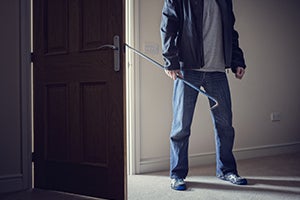
Unlike simple trespassing under Penal Code 602 PC, which focuses primarily on unauthorized access to property, aggravated trespass combines a violent threat with a property violation.
Because it directly triggers sustained fear and carries an imminent risk of physical harm, California prosecutors and law enforcement treat Penal Code 601 PC as a severe public safety matter.
The Esfandi Law Group can help you. Schedule your free consultation by calling (310) 274-6529 or using the contact form.
Quick Reference Summary: PC 601 At a Glance
|
Feature |
Misdemeanor Aggravated Trespass |
Felony Aggravated Trespass |
| Legal Classification | "Wobbler" (Charged at prosecutor's discretion) | "Wobbler" (Elevated based on severity/history) |
| Maximum Jail/Prison Time | Up to 1 year in a county jail | 16 months, 2 years, or up to 3 years in state prison |
| Maximum Criminal Fine | Up to $1,000 | Up to $10,000 |
| Mandatory Orders | Criminal Protective Order (Stay-Away) | Criminal Protective Order (Stay-Away) |
| Firearm Restrictions | 10-year firearm prohibition | Lifetime ban on owning/possessing firearms |
| Probation Supervision | Summary (informal) probation | Formal (supervised) probation with search conditions |
What Prosecutors Must Prove (Legal Elements)
To secure a conviction for aggravated trespass under Penal Code 601 PC, the prosecution must prove the following four elements beyond a reasonable doubt:
-
The Credible Threat: The defendant made a credible threat to cause serious bodily injury to another person, intending to place that person in reasonable fear for their safety or that of their immediate family.
-
Unlawful Entry: Within 30 days of making that threat, the defendant unlawfully entered the victim's residence, real property, or workplace.
-
Specific Intent to Execute: Upon entering the property, the defendant had the specific intent to carry out the threat against the victim.
-
Workplace Alternative Element: If the incident took place at a workplace, the defendant unlawfully entered and tried to find the victim with the specific purpose of carrying out the threat.
Note on "Serious Bodily Injury": Under California law, this requires substantial physical injury, such as bone fractures, concussions, wounds requiring extensive suturing, or serious impairment of any bodily function. Vague or minor threats of a scuffle do not satisfy this requirement.
Real-World Example of Aggravated Trespass
Example: After a highly contentious dispute over an employment termination, a former employee sends an email to their ex-supervisor stating, "You ruined my career, I'm going to break both of your legs." Two days later, the individual drives to the corporate office, bypasses the security desk without authorization, and walks directly toward the supervisor's private office suite to confront them.
Because the individual made a credible threat of serious bodily injury, entered the victim's workplace within the 30-day statutory window, and did so with the clear intent to locate the target and carry out the threat, the individual satisfies all elements of Penal Code 601 PC.
Penalties for Aggravated Trespass (Penal Code 601 PC)
Because California classifies aggravated trespass under Penal Code 601 PC as a "wobbler," prosecutors have discretion to file the charge as either a misdemeanor or a felony.
This decision depends on the severity of the initial threat, the presence of a prior criminal history, and the specific circumstances surrounding the entry.
Misdemeanor Aggravated Trespass Penalties
If the offense is prosecuted as a misdemeanor, the statutory consequences include:
-
County Jail: Up to one (1) year in a California county jail.
-
Criminal Fines: A maximum fine of up to $1,000, plus court-ordered assessments.
-
Summary Probation: A term of informal, court-supervised probation (typically lasting 1 to 3 years).
-
Criminal Protective Orders: A mandatory court order requiring the defendant to stay away from the victim, their home, and their workplace and to cease all communication with the victim.
Felony Aggravated Trespass Penalties
If the state elevates the case to a felony prosecution, the penalties increase significantly:
-
State Prison: A sentence of sixteen (16) months, two (2) years, or up to three (3) years in California state prison.
-
Criminal Fines: A maximum fine of up to $10,000.
-
Formal Probation: Strictly supervised felony probation includes mandatory check-ins with a probation officer.
-
Probation Search Conditions: A requirement to submit your person, vehicle, or residence to warrantless searches by law enforcement at any time.
Collateral and Long-Term Consequences
-
Loss of Firearm Rights: A felony conviction under PC 601 triggers a lifetime ban on possessing, owning, or purchasing firearms in California. A misdemeanor conviction results in a 10-year prohibition on possessing firearms.
-
Immigration Sanctions: For non-citizens, a conviction involving an explicit threat of serious physical injury may be classified as a crime involving moral turpitude or a violent felony under federal law, potentially leading to deportation, visa revocation, or denial of naturalization.
-
Professional Licensing Disruption: Convictions must be reported to California state licensing boards, which can result in the suspension or revocation of credentials for nurses, real estate agents, contractors, or corporate professionals.
-
Civil Liability: The victim retains the right to file a private civil lawsuit against the defendant to recover financial damages for emotional distress, medical bills, or the cost of security system installations resulting from the incident.
Effective Legal Defenses to PC 601 Charges
-
No Credible Threat Was Communicated: The defense can argue that the alleged statements were hyperbole, an angry outburst taken out of context, or too vague to constitute a true threat of serious physical injury.
-
Lack of Criminal Intent to Carry Out Threat: Even if a threat was made, the defense can show that the subsequent entry onto the property was for a lawful, separate purpose—such as returning a borrowed item or delivering a required notice—without any intent to commit violence.
-
Lawful Entry or Express Consent: The defendant had explicit permission, a key, or legal authority to enter the residence or workplace at that time, making the entry lawful.
-
The 30-Day Window Expired: If the unlawful entry occurred 31 or more days after the alleged threat was communicated, the specific statutory requirements for an aggravated trespass charge under PC 601 are not met.
-
False Accusations / Mistaken Identity: Fabricated allegations often arise during heated personal disputes, business separations, or workplace conflicts.
Related California Laws
-
Penal Code 602 PC (Trespassing): Unlawfully entering or remaining on private property without permission, without the element of a prior violent threat.
-
Penal Code 422 PC (Criminal Threats): Making a threat to kill or physically injure someone, causing them to experience immediate, sustained, and reasonable fear.
-
Penal Code 646.9 PC (Stalking): Engaging in a malicious, repeated pattern of harassment or stalking accompanied by a credible threat.
-
Penal Code 459 PC (Burglary): Entering a structure with the concurrent intent to commit a theft or any felony inside.
Frequently Asked Questions (FAQs)
Is aggravated trespass a misdemeanor or a felony in California?
Penal Code 601 PC is a "wobbler" offense. Prosecutors assess the defendant's criminal history, the severity of the threat, and the proximity to actual violence to determine whether to file the case as a misdemeanor or a felony.
Can I be convicted under PC 601 if I never actually touched or harmed the victim?
Yes. The law does not require the threat to be carried out. The criminal offense is complete the moment you unlawfully enter the home or workplace within 30 days of making the threat, while carrying the intent to carry it out.
How does an electronic message affect an aggravated trespass charge?
Under California law, a credible threat can be communicated verbally, in writing, or via electronic communication devices (such as text messages, emails, or social media platforms). Prosecutors frequently use digital evidence to establish the initial threat element.
What are the immigration risks associated with a PC 601 conviction?
Because aggravated trespass includes an explicit threat of serious physical injury and criminal intent, a conviction can be classified as a crime involving moral turpitude or a violent crime under federal law. For non-citizens, this carries severe immigration consequences, including deportation or visa denial.
Can a court issue a restraining order because of an aggravated trespass arrest?
Yes. Judges routinely issue criminal protective orders (stay-away orders) at the very first arraignment hearing. These orders legally bar the defendant from coming within a specified distance of the victim, the victim's home, and the victim's workplace.
Speak with a California Criminal Defense Lawyer
An investigation or formal charge under California Penal Code 601 PC carries severe consequences that can strip you of your freedom, restrict your constitutional rights, and permanently damage your career prospects.
Because these cases hinge on the interpretation of intent, statements, and digital records, building a strategic defense early is imperative.
An experienced criminal defense firm can thoroughly analyze the evidence, challenge whether a threat meets the strict legal threshold for "serious bodily injury," and fight to reduce or dismiss your charges.
Contact the Esfandi Law Group today at (310) 274-6529 to schedule your free, confidential consultation.