
California Penal Code § 487(d)(1) PC: Grand Theft Auto Laws & Penalties
Vehicle theft is one of California's most heavily prosecuted property crimes. While general grand theft depends solely on the dollar value of the stolen property, stealing a motor vehicle is explicitly classified under Penal Code § 487(d)(1) PC as Grand Theft Auto (GTA).
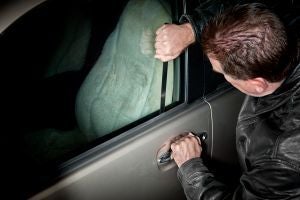
Law enforcement agencies and district attorney offices across Los Angeles County aggressively target auto theft because stolen cars are frequently tied to other offenses, such as the transportation of illegal goods, burglaries, or use as getaway vehicles.
Quick Reference Comparison Chart
To understand how California's motor vehicle theft charges differ in severity, review the following quick-reference breakdown:
|
Charge Type |
Intent Required |
Maximum Jail/Prison Sentence |
|
Joyriding VC 10851 |
Temporary deprivation |
• Misdemeanor: Up to 1 year • Felony: Up to 3 years |
|
Grand Theft Auto (GTA) PC 487(d)(1) |
Permanent deprivation |
• Misdemeanor: Up to 1 year • Felony: Up to 3 years |
|
Carjacking PC 215 |
Force or fear used | • Felony: Up to 9 years (State Pr |
Legal Definition of Grand Theft Auto
To understand how the state charges this offense, we must look directly at the statutory language.
California Penal Code Section 487(d)(1) PC
“Grand theft is theft committed in any of the following cases: [...] (d) When the property taken is any of the following: (1) An automobile.”
Because the statute singles out "an automobile," prosecutors can charge a defendant with grand theft auto regardless of whether the vehicle is a brand-new luxury sports car or an older, non-functioning sedan. If the property is a motor vehicle, PC 487(d)(1) applies.
Elements of the Offense: What the Prosecution Must Prove
For a jury or judge to convict you of Grand Theft Auto, the prosecution must prove several distinct legal elements beyond a reasonable doubt, as outlined in California's standard jury instructions (CALCRIM 1820):
-
Possession: The defendant took possession of a motor vehicle owned by someone else.
-
Lack of Consent: The owner did not give the defendant permission to take or drive the vehicle.
-
Intent to Deprive: The defendant took the vehicle with the specific intent either to permanently deprive the owner of it or to keep it long enough to deprive the owner of a significant portion of its value or enjoyment.
-
Asportation (Movement): The defendant moved the vehicle (even if only a very short distance) and kept it for some period of time (even if only briefly).
Real-World Case Example
The "Borrowed" Work Truck
An employee of a landscaping company is given keys to a company truck to complete jobs during regular business hours. One Friday afternoon, the employee takes the truck home without asking. Instead of returning it on Monday, the employee keeps the truck for two weeks, using it for personal errands and ignoring multiple phone calls and text messages from their boss.
-
The Legal Analysis: Although the employee initially had permission to use the truck for work, keeping the vehicle for an extended period while ignoring the owner's communications demonstrates an "intent to temporarily deprive the owner of a major portion of the vehicle's value or enjoyment." This crosses the legal threshold from a simple workplace misunderstanding to Grand Theft Auto under PC 487(d)(1).
Grand Theft Auto (PC 487(d)(1)) vs. Joyriding (VC 10851)
The key difference between Grand Theft Auto and Joyriding centers entirely on intent.
-
Grand Theft Auto (PC 487(d)(1)): Requires the intent to permanently deprive the owner of the vehicle (or keep it long enough to significantly ruin its value).
-
Unlawful Taking or Driving of a Vehicle / Joyriding (VC 10851): Requires only the intent to temporarily deprive the owner of the vehicle. Taking a car for a quick drive without permission and planning to leave it parked down the street is joyriding, not GTA.
Penalties and Sentencing Guidelines
Grand Theft Auto is a "wobbler" offense in California, meaning the prosecutor has the discretion to charge it as either a misdemeanor or a felony. This decision depends on the specific facts of the case, the value of the vehicle, and the defendant's prior criminal record.
Misdemeanor Penalties
-
Up to one year in county jail
-
Fines of up to $1,000
-
Informal (summary) probation
-
Full restitution paid to the victim for any damage
Felony Penalties
-
16 months, 2 years, or 3 years in California State Prison
-
Fines of up to $10,000
-
Formal (felony) probation
-
Restitution to the victim
High-Value Vehicle Sentencing Enhancements
If the stolen vehicle is exceptionally expensive, California law imposes consecutive, additional prison sentences under Penal Code § 12022.6:
-
1 Additional Year: If the vehicle's value exceeds $65,000.
-
2 Additional Years: If the vehicle's value exceeds $200,000.
Common Legal Defenses
A strategic defense attorney can utilize several legal arguments to challenge the state's case:
-
Lack of Intent: If you honestly believed you were borrowing the vehicle temporarily and intended to return it promptly, you lack the specific intent required for Grand Theft Auto (though you could still face misdemeanor joyriding charges).
-
Owner Consent: If the owner gave you permission to drive or possess the vehicle, no theft occurred.
-
Good Faith Claim of Right: If you honestly believed the vehicle belonged to you, or that you had a legitimate legal claim to it, this negates the element of theft.
-
False Accusations / Mistaken Identity: Cases often arise from messy domestic breakups or business partnerships where one party falsely claims a vehicle was stolen out of spite.
Related California Laws
-
Unlawful Taking of a Vehicle (Vehicle Code § 10851 VC): Driving or taking a vehicle without consent, usually charged when permanent intent to steal cannot be proven.
-
Carjacking (Penal Code § 215 PC): Taking a motor vehicle directly from another person's immediate presence through the use of force or fear. This is an automatic strike and a violent felony.
-
Auto Burglary (Penal Code § 459 PC): Entering a locked vehicle with the intent to commit a theft or felony inside.
-
Receiving a Stolen Vehicle (Penal Code § 496d PC): Buying, receiving, or concealing a vehicle that you know (or should reasonably know) is stolen.
-
Operating a Chop Shop (Vehicle Code § 10801 VC): Knowingly owning or operating a facility to alter, dismantle, or reassemble stolen vehicles or their parts.
Frequently Asked Questions (FAQs)
What happens if I am charged with grand theft auto but I thought I had permission to drive the car?
If you can demonstrate a reasonable, good-faith belief that the owner consented to your driving the vehicle, you cannot be convicted of grand theft auto. Your defense attorney can present evidence such as past agreements, text messages, or verbal statements to prove consent.
Is grand theft auto automatically a felony in California?
No, grand theft auto is a wobbler, meaning it can be charged as either a misdemeanor or a felony. Prosecutors consider factors such as the car's value, how it was taken, and your prior criminal record to decide how to file the charge.
How does the prosecution prove I intended to permanently keep a stolen vehicle?
The state looks to circumstantial evidence to infer permanent intent. Examples include keeping the car for weeks, painting or altering the vehicle, stripping it for parts, replacing the license plates, or attempting to sell it.
Can a grand theft auto charge count as a strike under the Three Strikes Law?
Standard Grand Theft Auto under PC 487(d)(1) is not a violent or serious felony, so it does not count as a strike on its own. However, if the taking involved force, a threat of violence, or a weapon, it will likely be charged as Carjacking (PC 215), which is a strike.
What is the difference between auto burglary and grand theft auto?
Auto burglary focuses on unlawful entry into a locked vehicle with the intent to steal. Grand theft auto focuses on the actual taking and driving away of the vehicle itself. A defendant can be charged with both crimes if they break into a locked car and then hotwire and steal it.
Will a grand theft auto conviction affect my ability to get a job?
Yes, a felony conviction for a crime of moral turpitude (theft) can severely affect your employment prospects, professional licensing, and background checks. Securing an attorney to fight for a dismissal or a reduction to a misdemeanor is crucial to protecting your future.
Fight Auto Theft Charges with Esfandi Law Group
A charge of Grand Theft Auto under Penal Code 487(d)(1) PC is a serious matter that can derail your career, family life, and personal freedom. However, an arrest is not a conviction. The prosecution must prove your specific intent to permanently deprive the owner beyond a reasonable doubt, and many cases rely on weak circumstantial evidence.
At Esfandi Law Group, we represent individuals throughout Los Angeles County and Southern California. We will thoroughly investigate your case, identify weaknesses in the state's evidence, and fight to get your charges reduced or dismissed.
Contact us today to schedule your free, confidential consultation.