
Vehicle Tampering in California - Vehicle Code 10852 VC
Vehicle tampering remains a frequently prosecuted offense throughout California. While it may not carry the same notoriety as grand theft auto or carjacking, a conviction under this statute can still result in jail time, steep fines, and a permanent criminal record.
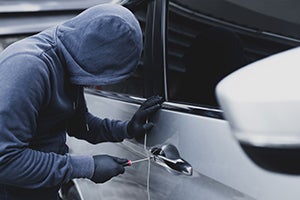
If you or a loved one are facing accusations under California Vehicle Code 10852 VC, understanding the specific legal thresholds, penalties, and defense strategies is essential to protecting your future.
What is Vehicle Code 10852 VC?
Vehicle Code 10852 VC is the California statute that makes it unlawful to intentionally damage, interfere with, or remove parts from another person's motor vehicle without their explicit consent.
The Legal Definition of Vehicle Tampering
The statutory language of California Vehicle Code Section 10852 VC states:
“No person shall either individually or in association with one or more other persons, willfully injure or tamper with any vehicle or the contents thereof or break or remove any part of a vehicle without the consent of the owner.”
Elements the Prosecution Must Prove
To secure a conviction for vehicle tampering in a California court, the prosecution must prove three distinct elements beyond a reasonable doubt:
-
The Physical Act: The defendant tampered with, damaged, broke, or removed parts of a vehicle or its interior contents.
-
Willfulness: The defendant committed the act intentionally, deliberately, or on purpose (it was not an accident).
-
Lack of Consent: The defendant acted without the vehicle owner's permission.
Standard Penalties for Vehicle Tampering in California
Vehicle tampering under VC 10852 is classified as a misdemeanor in California. Unlike a minor infraction (such as a speeding ticket), a misdemeanor conviction goes on your permanent criminal record.
If convicted, a judge may impose the following statutory penalties:
-
County Jail: Up to 1 year (12 months) in a California county jail.
-
Criminal Fines: A maximum base fine of up to $5,000 (which can significantly increase with court assessments and administrative fees).
-
Restitution: The defendant must pay the victim back for the full cost of repairing any physical damage or replacing stolen vehicle parts.
-
Summary Probation: For individuals with minimal criminal history, a judge may grant informal misdemeanor probation (typically lasting 1 to 3 years) in lieu of jail time, often requiring community service and a clean record.
How Offense Details Change the Criminal Charges
Although Vehicle Code 10852 VC is always a misdemeanor, prosecutors will frequently file additional, more serious charges depending on the monetary value of the stolen parts or the scale of physical damage left behind.
Property Damage and Theft Escalation Table
|
Violation Severity / Action |
Primary California Charge |
Jail + Fine |
| Tampering only (no major damage or theft) | Vehicle Code 10852 VC (Misdemeanor) | Up to 1 Year. Up to $5,000 |
| Property damage under $400 (e.g., small scratches, single tire) | Penal Code 594 PC (Misdemeanor Vandalism) | Up to 1 Year. Up to $1,000 |
| Property damage of $400 or more (e.g., body panel keying, multiple smashed windows) | Penal Code 594 PC (Felony Vandalism) | Up to 3 Years. Up to $10,000 |
| Property stolen from inside worth $950 or less (unlocked vehicle) | Penal Code 484 PC (Misdemeanor Petty Theft) | Up to 6 Months. Up to $1,000 |
Real-World Example: How VC 10852 Applies in Real Life
To understand how vehicle tampering differs from other theft crimes, consider this scenario:
The Case of Marcus:
Late at night, Marcus walks through a residential parking lot and spots a classic coupe. Out of curiosity, he lifts the unlocked door handle, opens the door, and sits inside to look at the vintage dashboard. He does not damage anything or take anything from the glove box before leaving.
A neighbor spots him and calls the police. Because Marcus willfully entered the vehicle and handled its interior contents without the owner's consent, he can be prosecuted under Vehicle Code 10852 VC. However, because the vehicle was unlocked and he had no intent to steal, he cannot be charged with the much more severe felony of Auto Burglary.
Related California Laws
In auto-related criminal investigations, prosecutors often charge vehicle tampering alongside these related state laws:
-
Malicious Mischief to a Vehicle (VC 10853): Climbing into or onto a vehicle with the malicious intent to damage it or start the engine.
-
Vandalism (PC 594): Maliciously defacing, damaging, or destroying another person's property (e.g., slashing tires or spray-painting a car).
-
Joyriding (VC 10851): Taking or driving someone else's vehicle without consent, intending to deprive the owner of it either temporarily or permanently.
-
Auto Burglary (PC 459): Entering a locked vehicle with the specific intent to commit a grand theft, petty theft, or felony once inside.
-
Grand Theft / Petty Theft (PC 487 & PC 484): Stealing money, electronics, or other personal belongings from inside a vehicle. It is grand theft if the value of the items exceeds $950.
-
Receiving a Stolen Vehicle (PC 496d): Buying, receiving, hiding, or selling a motor vehicle that you know (or should reasonably know) is stolen.
Legal Defenses against VC 10852 Charges
A skilled California criminal defense attorney can utilize several proven strategies to challenge vehicle tampering accusations:
-
Owner Consent: Showing that you reasonably believed you had the owner's explicit or implied permission to enter, touch, or perform work on the vehicle.
-
Lack of Willfulness (Accidental Contact): Proving that any physical contact or damage to the vehicle was purely accidental, as the law strictly requires the act to be done "willfully."
-
Mistaken Identity: Demonstrating that you were wrongly identified by an eyewitness or caught in a case of false accusation.
-
Pre-Filing Intervention: In some cases, a defense lawyer can present mitigating evidence to the District Attorney before charges are officially filed, persuading the prosecutor to reject the case or divert it to a non-criminal mediation program.
Frequently Asked Questions (FAQs)
What is the main difference between auto burglary and vehicle tampering?
The primary legal distinction is whether the vehicle was locked. Auto burglary under Penal Code 459 PC requires the vehicle to be locked and that you forced entry with the intent to commit a theft or felony. Vehicle tampering under VC 10852 applies if the vehicle was unlocked or if the unauthorized actions occurred entirely on the exterior of the vehicle.
Can I be charged with vehicle tampering if I did not actually steal anything?
Yes. Vehicle Code 10852 VC does not require the prosecution to prove intent to steal. Simply opening a stranger's unlocked car door, sitting inside, or pulling on exterior parts without the owner's permission is legally sufficient to constitute tampering, even if you left the scene completely empty-handed.
What if I accidentally damaged someone's car mirror or door?
Accidental contact does not meet the legal definition of vehicle tampering. The prosecution must prove that you acted "willfully"—that is, you deliberately and intentionally touched or damaged the vehicle. If you accidentally hit someone's mirror while parking your bicycle, it is a civil property matter, not a criminal offense.
Can a passenger in a vehicle be charged with vehicle tampering?
Yes, a passenger can be charged under VC 10852 if they willfully interfere with the vehicle's controls, damage the interior, or remove parts without the owner's consent. The law applies to any person who tampers with a vehicle, whether outside it or riding inside.
Can I be charged with vehicle tampering for taking a photo next to someone else's car?
Generally, no. Simply standing near a vehicle or taking a photo next to it does not constitute tampering because there is no willful damage, disruption of its components, or removal of its parts. However, if you sit on the hood, open the doors, or manipulate exterior elements without permission, you could face tampering allegations.
Is it possible to have a vehicle tampering conviction removed from my record?
Yes, in California, you may be eligible to have a misdemeanor vehicle tampering conviction expunged. After you successfully complete your probation (and any court-ordered community service or restitution), you can petition the court to set aside the conviction and dismiss the case, which helps clear your record for employment.
Protect Your Rights with Experienced Legal Defense
A misdemeanor charge of vehicle tampering can carry heavy fines, restitution costs, and potential jail time.
At Esfandi Law Group, we leverage our extensive experience in California criminal law to build robust defenses, negotiate with prosecutors, and fight to keep your record clean.
If you are facing accusations under Vehicle Code 10852 VC, call our office today to schedule a free, private consultation, or reach out online to review your legal options.