
Judicial Diversion in California – Penal Code 1001.95 PC: Eligibility, Process, and Benefits
Facing misdemeanor charges in California can create immense stress, but a criminal conviction is not always inevitable.
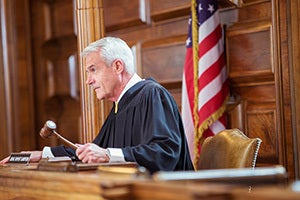
Under California Penal Code Section 1001.95 PC, judges possess the statutory authority to pause criminal proceedings and place eligible defendants into judicial diversion.
Upon successful completion of court-ordered conditions, the criminal charges are entirely dismissed, allowing you to walk away without a conviction or criminal record.
Legal Definition of Judicial Diversion (PC 1001.95)
Under California law, "judicial diversion"—enacted under Penal Code Section 1001.95 PC—is a discretionary pretrial diversion mechanism whereby a judge presiding over a misdemeanor case may, over the objection of the prosecution, suspend criminal proceedings for a period not to exceed 24 months and order the defendant to complete specific performance conditions, resulting in a full statutory dismissal of the charges and deemed erasure of the arrest upon successful completion.
Purpose and Core Goals of Judicial Diversion
Judicial diversion shifts the criminal justice paradigm away from immediate punishment toward rehabilitation and long-term behavioral change. Enacted to address low-level offenses constructively, PC 1001.95 PC aims to:
-
Promote Rehabilitation: Address root causes of criminal behavior, such as substance abuse, anger, or mental health struggles, through structured programs.
-
Prevent Recidivism: Equip individuals with tools and education to avoid future contact with the legal system.
-
Protect Personal Futures: Allow eligible individuals to maintain employment, housing, professional licenses, and clean records by avoiding a criminal conviction.
-
Optimize Court Resources: Relieve congestion in the court system and preserve judicial resources for high-priority, serious criminal matters.
Penalties Avoided and Collateral Consequences of Conviction
If judicial diversion is not granted and a defendant is convicted of a misdemeanor in California, standard statutory penalties under Penal Code Section 19 PC and associated collateral harms take effect:
-
Incarceration: Up to 6 months or 1 year in county jail per count.
-
Fines and Assessments: Statutory fines up to $1,000 plus substantial court penalty assessments that can quadruple the total cost.
-
Probationary Terms: Up to 1 to 3 years of formal or informal probation.
-
Collateral Harms: Mandatory reporting of a criminal conviction on job applications, background checks, housing applications, and professional license renewals.
Here is the updated section with the Key Conditions of Judicial Diversion (PC 1001.95) converted into standard text bullet points:
Key Conditions of Judicial Diversion (PC 1001.95)
When a judge grants diversion, they establish tailored requirements that must be completed within a designated timeframe (up to 24 months). Standard conditions include:
-
Counseling or Therapy: Participation in individual or group behavioral health therapy to address underlying psychological or behavioral issues contributing to the offense. Failure to comply can result in program revocation and reinstatement of criminal charges.
-
Substance Abuse Treatment: Completion of outpatient drug or alcohol treatment programs, including mandatory testing and monitoring, to promote recovery and reduce substance-related offenses. Failure to comply can lead to immediate termination of diversion and resumption of prosecution.
-
Anger Management Classes: Attendance in court-approved classes focused on conflict resolution and emotional control to prevent future incidents involving aggression. Failure to comply may result in revocation of diversion and potential sentencing on the original charges.
-
Community Service: Completion of a specified number of volunteer service hours to promote personal accountability and provide restitution to the community. Failure to complete assigned hours can lead to the reopening of the criminal case.
-
Victim Restitution: Full financial compensation paid directly to victims for actual economic losses or damages caused by the alleged offense. Failure to pay without a showing of inability to pay can result in court termination of diversion.
-
Obey All Laws: A strict requirement to avoid any new arrests or criminal violations during the diversion period to ensure ongoing law-abiding behavior. New criminal offenses can immediately terminate diversion and restart prosecution.
-
Educational Programs: Completion of theft awareness classes, cognitive restructuring, or related educational courses to prevent repeat behavior. Incomplete programs can result in reinstatement of original charges.
-
Court Check-Ins: Periodic progress reports or mandatory court appearances to monitor compliance with all program conditions. Missed court dates or check-ins may result in sanctions or program termination.
-
Stay-Away Orders: Directives to avoid contact with specific individuals, victims, or locations to prevent further incidents. Violations can lead to new criminal charges and loss of diversion status.
Eligibility Criteria and Disqualifying Offenses
While judges have broad discretion under PC 1001.95, statutory limits and public safety considerations dictate who qualifies.
Who Qualifies?
-
Individuals charged with eligible California misdemeanor offenses.
-
First-time or low-level offenders who demonstrate a willingness to comply with court directives.
-
Defendants who formally waive their constitutional right to a speedy trial to allow time for program completion.
Statutory Disqualification (Ineligible Offenses)
Under Penal Code Section 1001.95 PC, judges are statutorily prohibited from granting judicial diversion for:
-
Offenses requiring sex offender registration under Penal Code 290 PC.
-
Domestic violence charges under Penal Code 273.5 PC or Penal Code 243(e)(1) PC.
-
Stalking under Penal Code 646.9 PC.
-
All felony offenses (PC 1001.95 is strictly limited to misdemeanors).
Step-by-Step Judicial Diversion Process
-
Formal Defense Motion: Your attorney files a formal motion for judicial diversion under PC 1001.95 PC at or following arraignment.
-
Court Evaluation: The judge reviews the police report, defense mitigation package, criminal history, and any prosecution objections.
-
Speedy Trial Waiver & Terms: If approved, the defendant waives speedy trial rights, and the judge imposes specific diversion conditions and sets a compliance timeframe (up to 24 months).
-
Suspension of Proceedings: Criminal proceedings are officially paused; no guilty or no-contest plea is required.
-
Program Execution & Monitoring: The defendant completes all assigned classes, community service, or restitution, submitting periodic progress reports to the court.
-
Case Dismissal & Record Clearance: Upon successful completion, the judge dismisses the charges under PC 1001.95(c), legally restoring the defendant to the status they occupied before the arrest.
Hypothetical Examples of Judicial Diversion
-
Misdemeanor Petty Theft: A college student with no criminal record is charged with shoplifting under PC 484. Defense counsel files a PC 1001.95 motion; the judge grants 6 months of diversion with a theft awareness class and 20 hours of community service. Upon completion, the case is completely dismissed.
-
Vandalism & Restitution: A young adult breaks a commercial window during a night out, facing charges under PC 594. The judge grants diversion conditioned on full financial restitution to the property owner and an anger management course. Once paid and completed, the prosecution is terminated without a conviction.
-
Failure to Comply: A defendant placed on judicial diversion for trespassing (PC 602) fails to submit proof of community service and gets arrested for a new offense. The judge terminates diversion, unpauses the case, and schedules the matter for trial on the original charges.
Related California Laws, Statutory Provisions, and Charges
Understanding the legal landscape surrounding PC 1001.95 PC involves examining several intersecting statutes:
-
Penal Code Section 484 PC (Petty Theft): Taking property valued at $950 or less; frequently diverted under PC 1001.95 PC for first-time offenders.
-
Penal Code Section 594 PC (Vandalism): Defacing or damaging another's property; commonly eligible for diversion when damage is minor, and restitution is made.
-
Health and Safety Code Section 11350 HS (Drug Possession): Simple possession of controlled substances; eligible for judicial diversion or specialized drug diversion under PC 1000.
-
Penal Code Section 602 PC (Trespassing): Entering property without consent; routinely resolved via judicial diversion in low-level disputes.
-
Penal Code Section 647 PC (Disorderly Conduct): Public intoxication or disturbing the peace; highly suitable for educational and treatment-focused diversion terms.
-
Code of Civil Procedure Section 170.6 CCP: Allows a defense attorney or prosecutor to challenge and disqualify a judge for perceived bias or prejudice.
Why Related Charges Matter
The exact code section charged determines your immediate eligibility for judicial diversion. Because statutory exclusions explicitly bar domestic violence, stalking, and sex offenses, precise charge evaluation is vital.
An experienced defense attorney can negotiate with prosecutors to reduce non-eligible charges to diversion-eligible offenses (such as reducing a domestic dispute charge to trespassing or disturbing the peace), opening the door to court-ordered dismissal under PC 1001.95.
Frequently Asked Questions (FAQs)
What is judicial diversion under California Penal Code 1001.95 PC?
Judicial diversion is a statutory program allowing a judge to pause a misdemeanor criminal case and dismiss all charges after the defendant successfully completes court-ordered rehabilitative conditions.
Do I have to plead guilty to enter judicial diversion under PC 1001.95?
No. Unlike some deferred entry of judgment programs, PC 1001.95 PC does not require a guilty or no-contest plea to participate.
Can the prosecutor block the judge from granting judicial diversion?
No. Penal Code 1001.95 PC gives the presiding judge sole discretion to grant diversion, even over the prosecutor's explicit objection.
How long does a judicial diversion program last in California?
A judge can order diversion for any period up to a maximum of 24 months, depending on the complexity of the requirements and the nature of the charge.
What happens to my criminal record after I complete judicial diversion?
Upon successful completion, the charges are dismissed, and the arrest is legally deemed never to have occurred for most employment purposes, allowing you to legally state you were not arrested or convicted for that offense.
Is judicial diversion available for felony charges?
No. PC 1001.95 PC applies strictly to misdemeanor offenses. Felony charges require separate statutory diversion programs, such as Mental Health Diversion (PC 1001.36).
What happens if I fail to complete the conditions of judicial diversion?
If you fail to complete assigned conditions or commit a new crime, the judge will hold a hearing, terminate diversion, and resume standard criminal prosecution on the original charges.
Can I get judicial diversion if I have a prior criminal record?
Yes. Prior convictions do not automatically disqualify you under PC 1001.95 PC unless the current charge is a statutorily excluded offense or the judge determines diversion does not serve justice.
Secure Your Future
A misdemeanor charge does not have to ruin your record, career, or reputation. By taking advantage of California's judicial diversion laws under PC 1001.95, you can earn a complete case dismissal and protect your clean background.
The criminal defense team at Esfandi Law Group has extensive experience advocating for diversion and securing dismissal for clients across California. Call us today or complete our online contact form to schedule your complimentary consultation.