
Federal Drug Manufacturing: 21 U.S.C. § 841 Explained
Federal laws prohibiting illicit drug production are codified under 21 U.S.C. § 841, which forms the bedrock of federal narcotics enforcement.
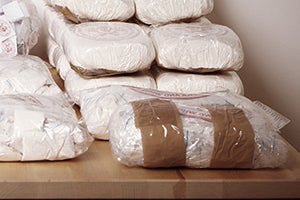
Under this statute, it is a serious federal felony to knowingly or intentionally manufacture, produce, or compound controlled substances or counterfeit drugs.
While state laws also punish drug production, federal drug manufacturing charges under 21 U.S.C. § 841 are prosecuted by Assistant U.S. Attorneys in federal district courts, where convictions carry severe mandatory minimum prison sentences, massive fines, and no possibility of federal parole.
What Is the Statutory Language of 21 U.S.C. § 841?
The primary statutory language governing federal drug manufacturing under 21 U.S.C. § 841(a)(1) states:
Except as authorized by this title, it shall be unlawful for any person knowingly or intentionally—
to manufacture, distribute, or dispense, or possess with intent to manufacture, distribute, or dispense, a controlled substance; or
to create, distribute, or dispense, or possess with intent to create, distribute, or dispense, a counterfeit substance.
What Are Key Statutory Definitions Under 21 U.S.C. § 841?
To fully understand federal drug manufacturing charges, courts apply specific statutory definitions from the Controlled Substances Act (CSA):
- Manufacture: The production, preparation, propagation, compounding, conversion, or processing of a controlled substance, either directly or indirectly by extraction from substances of natural origin or independently by means of chemical synthesis.
- Controlled Substance: A drug, chemical precursor, or other substance identified in Schedules I, II, III, IV, or V of the Controlled Substances Act (e.g., fentanyl, heroin, methamphetamine, cocaine, LSD, PCP, or marijuana).
- Knowingly or Intentionally: The requisite mental state (mens rea) showing the defendant was fully aware of the illegal nature of the activity or substance, rather than acting through accidental contact or total ignorance.
- Counterfeit Substance: A controlled substance which, or the container or labeling of which, without authorization, bears the trademark, trade name, or other identifying mark of a manufacturer other than the person who in fact manufactured the substance.
What Must Federal Prosecutors Prove to Convict You of Drug Manufacturing?
To secure a conviction under 21 U.S.C. § 841 for drug manufacturing, federal prosecutors bear the burden of proof and must establish four legal elements beyond a reasonable doubt:
-
Manufacturing Action: The defendant manufactured, produced, derived, compounded, or processed a controlled substance (or possessed equipment/precursors with specific intent to manufacture).
-
Identity of the Substance: The substance involved was a chemical, drug, or plant classified as a controlled substance under federal law.
-
Knowledge and Intent: The defendant acted knowingly or intentionally regarding the manufacturing activity, possessing full awareness of the illicit drug production.
-
Federal Jurisdiction: The offense involved threshold drug quantities, crossed state lines, occurred on federal property, or impacted interstate commerce, triggering federal jurisdiction.
State vs. Federal Drug Charges Comparison Chart
|
Factor / Area |
State Drug Charges |
Federal Drug Charges (e.g., 21 U.S.C. § 841) |
| Jurisdiction & Enforcement | Local or state attorneys prosecute; local police, county sheriffs, or state highway patrols investigate. | U.S. Attorneys prosecute in federal district court; agencies including the DEA, FBI, HSI, and ATF investigate. |
| Triggers for Prosecution | Typically targets possession, small-scale distribution, or manufacturing within state borders. | Triggered by interstate or international trafficking, large commercial drug labs, or operations on federal land. |
| Sentencing & Parole Eligibility | State penal codes set sentences, but judges may allow probation, diversion, or parole after part of the term. | Subject to federal minimums and sentencing guidelines, parole is abolished, requiring at least 85% of the sentence to be served. |
What Are Common Examples of Federal Drug Manufacturing?
Federal drug manufacturing charges extend far beyond traditional clandestine laboratories. Common scenarios prosecuted under 21 U.S.C. § 841 include:
-
Operating Clandestine Labs: Extracting, synthesizing, or cooking synthetic narcotics such as methamphetamine, fentanyl, PCP, or LSD.
-
Large-Scale Cultivation: Growing large quantities of cannabis plants on federal lands or as part of a multi-state commercial agricultural operation.
-
Supplying Chemical Precursors & Equipment: Providing essential precursor chemicals (e.g., pseudoephedrine, pill presses, or specialized glassware) knowing they are used for illegal drug synthesis.
-
Facility Management & Ownership: Owning, leasing, or managing real estate or industrial warehouse space used to house illicit drug manufacturing operations.
What Are the Penalties for 21 U.S.C. § 841 Federal Drug Manufacturing?
Federal penalties for drug manufacturing under 21 U.S.C. § 841 are among the most severe in the federal criminal justice system.
Sentences are governed by strict statutory mandatory minimums, which dictate minimum prison terms based primarily on the drug classification, quantity involved, firearm use, prior criminal history, and whether death or serious bodily injury resulted from the offense.
-
Base Offense (Tier 1 - Small Quantities): For offenses involving small drug quantities below federal statutory threshold limits (e.g., under 5 grams of pure methamphetamine or under 100 grams of heroin), there is no mandatory minimum sentence. Defendants face 0 to 20 years in federal prison and maximum fines up to $1,000,000 for individuals or $5,000,000 for business entities.
-
5-Year Mandatory Minimum (Tier 2 Thresholds): Offenses involving moderate drug quantities trigger a mandatory minimum sentence of 5 years up to a maximum of 40 years in federal prison. Individual fines can reach $5,000,000, while organizational fines can reach $25,000,000. If death or serious bodily injury results from the drugs manufactured, the penalty increases to a mandatory minimum of 20 years to life in prison. Threshold quantities include:
-
Methamphetamine: 5 grams or more of pure meth (or 50 grams or more of a mixture).
-
Heroin: 100 grams or more.
-
Cocaine: 500 grams or more (or 28 grams or more of crack cocaine).
-
Marijuana: 100 kilograms or more, or 100 or more plants.
-
PCP / LSD: 10 grams or more of PCP (or 1 gram or more of LSD).
-
-
10-Year Mandatory Minimum (Tier 3 Large-Scale Thresholds): Manufacturing large-scale commercial quantities triggers a mandatory minimum sentence of 10 years to life in federal prison, with individual fines up to $10,000,000 and organizational fines up to $50,000,000. If death or serious bodily injury results, the court must impose a mandatory life sentence. Threshold quantities include:
-
Methamphetamine: 50 grams or more of pure meth (or 500 grams or more of a mixture).
-
Heroin: 1 kilogram or more.
-
Cocaine: 5 kilograms or more (or 280 grams or more of crack cocaine).
-
Fentanyl: 400 grams or more of a mixture containing fentanyl.
-
Marijuana: 1,000 kilograms or more, or 1,000 or more plants.
-
What Are Common Defense Strategies Against 21 U.S.C. § 841 Charges?
Defending against federal drug manufacturing charges requires challenging the government's evidence, mental state, and law enforcement procedures:
-
Lack of Knowledge or Intent (Innocent Employee): The defense demonstrates that you were unaware of the manufacturing operation. For example, an individual hired for general labor, janitorial work, or shipping who genuinely believed the facility produced legal products lacks the required mens rea.
-
Unlawful Search and Seizure (Fourth Amendment Violations): If federal agents (such as the DEA, FBI, or HSI) executed illegal wiretaps, entered private property without a valid search warrant, or exceeded the scope of a warrant, defense counsel can file a Motion to Suppress Evidence to exclude the seized drugs.
-
Entrapment by Law Enforcement: If federal undercover operatives or confidential informants coerced, intimidated, or persuaded an otherwise law-abiding individual into participating in a manufacturing scheme they would not have otherwise initiated, the entrapment defense applies.
-
Challenging Chemical Analysis and Quantity Calculations: Forensic defense experts can challenge the government's lab testing methods, purity calculations, and weight measurements to lower drug quantities below mandatory minimum threshold tiers.
What Is a Hypothetical Example of a 21 U.S.C. § 841 Investigation?
Scenario: Marcus rents an industrial warehouse under his commercial LLC to store surplus auto parts. A tenant subleases a partitioned rear section of the warehouse. Unknown to Marcus, the subtenant sets up a clandestine laboratory to synthesize methamphetamine, processing over 100 grams of pure meth.
During a DEA raid, agents arrest the subtenant and also indict Marcus under 21 U.S.C. § 841 for manufacturing and maintaining a drug facility, alleging he must have known about the chemical odors and equipment.
Outcome: Marcus retains experienced federal defense attorneys who conduct an independent audit of lease agreements, financial records, and security camera footage. The legal team presents clear evidence showing Marcus never entered the subtenant's locked area and had no financial stake in the drug operation.
Recognizing the lack of proof regarding knowingly or intentionally participating in drug manufacturing, federal prosecutors agree to dismiss all felony drug charges against Marcus.
What Are Related Federal Drug Offenses and Why Do They Matter?
Understanding related federal drug statutes is critical because federal prosecutors routinely stack multiple statutory charges in a single indictment to increase leverage during plea negotiations and elevate sentencing guideline ranges.
-
21 U.S.C. § 846 – Conspiracy to Manufacture Controlled Substances: Penalizes any agreement between two or more people to engage in drug manufacturing, carrying the exact same mandatory penalties as the underlying offense even if production was never completed.
-
21 U.S.C. § 856 – Maintaining Drug-Involved Premises ("Crack House" Statute): Makes it a federal crime to knowingly open, lease, rent, maintain, or use any place for the purpose of manufacturing, storing, or distributing controlled substances.
-
21 U.S.C. § 843(a)(6) – Possession of Precursor Chemicals and Equipment: Criminalizes possessing or distributing laboratory equipment, pill presses, or precursor chemicals knowing they will be used to manufacture drugs.
-
18 U.S.C. § 924(c) – Possession of Firearms in Furtherance of Drug Trafficking: Imposes consecutive, mandatory minimum prison sentences (ranging from 5 years to life) if a firearm is possessed or used during a drug manufacturing crime.
-
21 U.S.C. § 848 – Continuing Criminal Enterprise (CCE / "Kingpin" Statute): Targets individuals who manage, organize, or supervise an ongoing, large-scale drug trafficking enterprise involving five or more people, triggering severe mandatory minimums ranging from 20 years to life in prison.
-
21 U.S.C. § 860 – Distribution or Manufacturing in or Near Schools or Colleges: Doubles the statutory maximum penalties and imposes a mandatory minimum term of 1 year in prison for manufacturing or distributing controlled substances within 1,000 feet of public/private schools, housing authorities, or universities.
-
21 U.S.C. § 841(b)(1)(E) / Controlled Substance Analog Enforcement Act: Penalizes the manufacturing or distribution of chemical "analogs" (designer drugs engineered to mimic controlled substances) by treating them as Schedule I controlled substances under federal law.
Frequently Asked Questions (FAQs)
What is the difference between state and federal drug manufacturing charges?
Federal drug manufacturing charges generally involve larger drug quantities, cross state borders, or involve federal law enforcement agencies like the DEA. Federal convictions carry harsh mandatory minimum sentences, require serving at least 85% of the prison term under federal sentencing rules, and do not offer parole.
What is a mandatory minimum sentence in a federal drug case?
A mandatory minimum is a statutory floor set by Congress requiring federal judges to impose a specific minimum prison term (e.g., 5 or 10 years) upon conviction, regardless of mitigating personal factors, unless the defendant qualifies for statutory exceptions like the "Safety Valve" provision under 18 U.S.C. § 3553(f).
Can you be charged with federal drug manufacturing if you only provided precursor chemicals?
Yes. Supplying essential precursor chemicals, specialized lab glassware, pill presses, or manufacturing equipment with knowledge or reasonable cause to believe they will be used to produce controlled substances makes you legally liable as an aider, abettor, or co-conspirator under federal law.
How does the federal "Safety Valve" apply to 21 U.S.C. § 841 charges?
The federal Safety Valve provision allows qualifying non-violent, first-time drug offenders who fully disclose truthful information to the government to be sentenced below statutory mandatory minimum prison terms under the U.S. Sentencing Guidelines.
What should you do if federal agents attempt to question you about a drug investigation?
Immediately exercise your Fifth Amendment right to remain silent and request an attorney before answering any questions. Answering questions, making statements, or guessing facts without legal counsel can give prosecutors the evidence they need to secure an indictment.
How Our Federal Defense Lawyers Can Help You
If you or a loved one is under investigation or facing federal drug manufacturing charges under 21 U.S.C. § 841, experienced federal defense counsel must intervene immediately to protect your freedom and constitutional rights.
Our national federal criminal defense practice provides comprehensive legal representation at every stage of federal proceedings:
-
Pre-Indictment Intervention: We communicate directly with Assistant U.S. Attorneys and federal agents during grand jury investigations to challenge evidence early, demonstrate lack of intent, and seek to prevent formal criminal indictments.
-
Challenging Search Warrants & Wiretaps: We analyze DEA wiretaps, search warrants, and informant statements to file aggressive Motions to Suppress illegally obtained evidence.
-
Sentencing Mitigation & Trial Representation: Whether negotiating Safety Valve eligibility and downward departures under the U.S. Sentencing Guidelines or defending your case before a federal jury, we deliver rigorous defense strategy aimed at securing the best possible outcome.
A federal criminal defense lawyer at Esfandi Law Group in Los Angeles can help. To schedule your free consultation, use the contact form.