
California Penal Code 191.5(a) PC – Gross Vehicular Manslaughter While Intoxicated
California Penal Code 191.5(a) PC defines gross vehicular manslaughter while intoxicated as the unlawful killing of another human being without malice while operating a motor vehicle under the influence of drugs or alcohol, with the driving conduct constituting gross negligence.
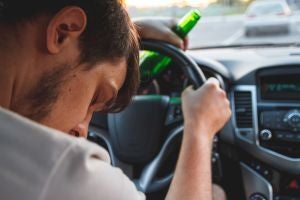
As one of the most heavily penalized DUI-related homicide offenses in California, a conviction under PC 191.5(a) carries mandatory felony sentencing, lengthier prison terms, and a permanent strike on your record under California's Three Strikes Law.
Statutory Text: PC 191.5(a)
The exact legal definition language under California Penal Code Section 191.5(a) PC states:
(a) Gross vehicular manslaughter while intoxicated is the unlawful killing of a human being without malice aforethought, nor in the driving of a vehicle, where the driving was in violation of Section 23140, 23152, or 23153 of the Vehicle Code, and the killing was the proximate result of the commission of an unlawful act, not amounting to a felony, and with gross negligence, or the proximate result of the commission of a lawful act which might produce death, in an unlawful manner, and with gross negligence.
Key Statutory Definitions
To understand how California Penal Code 191.5(a) PC is enforced, key legal concepts within the statute must be broken down as outlined in the Judicial Council of California Criminal Jury Instructions (CALCRIM No. 590):
-
Gross Negligence: A high degree of risk that is clear and obvious, demonstrating a reckless disregard for human life or the consequences of one's actions, far exceeding ordinary carelessness or simple driving errors.
-
Under the Influence (DUI): Operating a motor vehicle while impaired by alcohol, drugs, or a combination of both, such that your mental or physical abilities are degraded to the point where you can no longer drive with the caution of a sober driver (Vehicle Code 23152/23153).
-
Proximate Cause: A direct cause or contributing factor without which the fatal accident would not have occurred, creating a continuous, natural sequence of events leading directly to the death.
-
Unlawful Act / Infraction: Committing an additional traffic violation or misdemeanor (e.g., excessive speeding, running a red light, or improper lane changes) while driving impaired.
Legal Elements: How Prosecutors Prove Gross DUI Manslaughter
To secure a conviction under Penal Code 191.5(a) PC, the prosecution must prove five distinct legal elements beyond a reasonable doubt:
-
Driving a Vehicle: You physically operated a motor vehicle.
-
Intoxication: You were driving under the influence of alcohol, drugs, or an impairing combination of both, as evidenced by a BAC of 0.08% or higher or by clinical impairment.
-
Commission of an Additional Unsafe Act: While driving impaired, you committed an additional misdemeanor traffic violation, an infraction, or a lawful act in an inherently dangerous manner.
-
Gross Negligence: You executed that additional act with gross negligence.
-
Causation: Your grossly negligent behavior directly caused the death of another person.
The Legal Definition of Gross Negligence
Gross negligence goes far beyond ordinary carelessness or a simple driving mistake. Under California criminal law, gross negligence means:
-
Behaving recklessly and flagrantly in a way that clearly poses a high risk of death or severe injury.
-
Acting in a manner that is a major and surprising deviation from what a cautious person would typically do in the same situation.
-
Demonstrating a total disregard for human life and safety.
Driving under the influence alone is insufficient to establish gross negligence. The state must show that you combined intoxication with highly dangerous driving, such as driving over 100 mph (VC 22348(b)), weaving erratically through dense traffic, or running successive red lights.
Real-World Example of PC 191.5(a)
The Scenario: Elena consumes several alcoholic drinks at a local bar, reaching a blood alcohol concentration of 0.16%—double the legal limit. She gets behind the wheel and decides to race another vehicle down a main thoroughfare. Elena drives at 90 mph in a 35 mph zone, ignoring a steady red light at a major intersection. She broadsides an SUV, causing it to flip over and kill the driver.
The Legal Application: Elena was driving while legally intoxicated. Her choices to street-race, travel at nearly triple the speed limit, and run a red light pose an extreme, undeniable risk to human life (gross negligence). Because this reckless disregard for safety directly resulted in a fatality, Elena will be charged with a felony under California Penal Code 191.5(a).
Felony Penalties, Enhancements, and Prior Offenses
Gross vehicular manslaughter while intoxicated is always prosecuted as a felony in California. A conviction carries severe statutory consequences:
-
State Prison Terms: Standard terms are 4, 6, or 10 years in a California state prison.
-
Maximum Base Fines: Up to $10,000 in punitive fines.
-
California Three Strikes Law: A conviction counts as a serious and violent felony strike. This means any subsequent felony conviction will automatically double your prison sentence, and a third strike can result in 25 years to life in prison.
-
Restitution: Mandatory full financial restitution paid directly to the victim's estate or family to cover funeral costs and related financial losses.
Elevated Sentencing for Prior Offenses
If you face a PC 191.5(a) charge and have a prior conviction on your record for any of the following offenses, your sentence escalates automatically to 15 years to life in state prison:
-
A standard DUI conviction within the past 10 years (VC 23152 or VC 23153).
-
Prior vehicular manslaughter convictions (PC 191.5 or PC 192(c)).
Defending Against PC 191.5(a) Charges
A charge of gross DUI manslaughter is highly technical and can be actively challenged on multiple forensic and legal fronts:
-
Contesting the "Gross" Negligence Standard: If your defense attorney can show that your actions amounted to simple carelessness (ordinary negligence) rather than extreme recklessness, the charge can be reduced to Penal Code 191.5(b). This change removes the strike classification and halves your potential prison time.
-
Challenging Forensic DUI Evidence: Suppressing unreliable blood or breath test results. Defense strategies often focus on showing that testing equipment lacked proper Title 17 maintenance, that blood samples were contaminated, or that your physiological timeline indicates a rising blood alcohol curve.
-
Disputing Causation (Independent Variables): Proving that the fatality was caused by an external, intervening factor rather than your driving. This involves working with accident reconstruction experts to show that the crash was primarily caused by the victim's sudden actions, hazardous road conditions, or a sudden mechanical failure.
Related California Offenses
-
PC 191.5(b) – Vehicular Manslaughter While Intoxicated (Ordinary Negligence): Causing a fatal DUI accident through standard carelessness rather than extreme recklessness. It is a wobbler offense carrying significantly lighter penalties.
-
PC 192(c) – Vehicular Manslaughter: Causing a fatal collision through negligent driving, without any alcohol or drug impairment.
-
PC 187 – Watson Murder (Second-Degree DUI Murder): If the prosecution can prove that an impaired driver had a prior DUI conviction, received a formal Watson warning, and consciously drove drunk anyway, they can upgrade the manslaughter charge to second-degree murder, which carries a 15-years-to-life sentence.
-
VC 23104 – Reckless Driving Causing Injury: Operating a vehicle with wanton disregard for safety, resulting in nonfatal physical injuries to another person.
Frequently Asked Questions (FAQs)
Is gross vehicular manslaughter while intoxicated a strike under California law?
Yes. A conviction under Penal Code 191.5(a) PC is classified as a serious or violent felony and counts as a permanent strike on your record under California's Three Strikes Law.
Can a PC 191.5(a) charge be negotiated down to a lesser offense?
Yes. Depending on the strength of the evidence, an experienced criminal defense lawyer can often negotiate to reduce the charge to PC 191.5(b) (ordinary negligence), which removes the mandatory strike and reduces potential prison exposure.
How do prosecutors prove "gross negligence" over standard carelessness?
Prosecutors use evidence such as accident reconstruction data, speed calculations, eyewitness accounts, black box data, and extreme BAC results to demonstrate a pattern of behavior that any reasonable person would recognize as highly dangerous.
What is a "Watson Murder" and how does it relate to PC 191.5(a)?
If you have a prior DUI conviction and received a formal warning about the life-threatening risks of impaired driving, prosecutors can bypass manslaughter laws entirely. They can charge you with second-degree murder under PC 187, which carries a baseline sentence of 15 years to life.
What happens to my driver's license if I am convicted under PC 191.5(a)?
A conviction results in the automatic, mandatory revocation of your driving privileges by the California DMV. You will not be eligible to apply for an unrestricted or restricted driver's license for several years after your release from custody.
Can mechanical failure be used as a legal defense?
Yes. If an unexpected, severe mechanical failure—such as total brake failure or a steering column snap—was the true cause of the fatal impact rather than your driving choices, it can serve as an effective defense against criminal causation.
Talk to a California DUI Manslaughter Defense Attorney
A charge under Penal Code 191.5(a) is life-altering and requires immediate, sophisticated legal intervention. California prosecutors aggressively pursue these cases, making early investigation by independent accident reconstruction specialists and forensic experts critical to defending your freedom.
The experienced defense attorneys at Esfandi Law Group look for gaps in the state's case, challenge flawed chemical testing data, and build strategic defenses to protect your future.
Contact our Southern California offices today to schedule a confidential, free consultation:
-
Phone Call: (310) 274-6529
-
Digital Contact: Securely contact our trial team directly through our online website form for an immediate case review.