
In California, the sentence for DUI manslaughter ranges from 1 year in county jail for a misdemeanor offense up to 15 years to life in state prison for felony convictions involving gross negligence or prior DUI offenses.
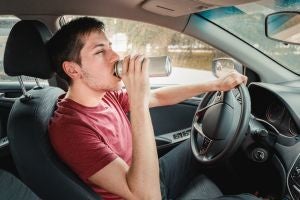
Under California Penal Code § 191.5, vehicular manslaughter while intoxicated occurs when an individual operates a motor vehicle under the influence of alcohol or drugs, commits an additional negligent or unlawful act, and causes the death of another person.
The severity of the sentence depends primarily on whether the driver acted with ordinary negligence or gross negligence.
California DUI Manslaughter Penalties at a Glance
|
Charge Type & Statute |
Classification |
Penalties & Incarceration |
|
Ordinary Vehicular Manslaughter While Intoxicated (PC § 191.5(b)) |
Wobbler (Misdemeanor or Felony) |
Misdemeanor: Up to 1 year in county jail. Felony: 16 months, 2, or 4 years in state prison; fines up to $10,000. |
|
Gross Vehicular Manslaughter While Intoxicated (PC § 191.5(a)) |
Felony | 4, 6, or 10 years in state prison; fines up to $10,000. |
|
Gross DUI Manslaughter with Prior DUI Convictions (PC § 191.5(d)) |
Felony | 15 years to life in state prison; fines up to $10,000. |
|
DUI Murder ("Watson Murder") (PC § 187 / § 189) |
Felony | 15 years to life in state prison; fines up to $10,000. |
Types of DUI Manslaughter Charges in California
California law divides alcohol and drug-related driving fatalities into distinct statutory categories based on the driver's level of negligence and past criminal record:
Ordinary Vehicular Manslaughter While Intoxicated (PC § 191.5(b))
This offense applies when an impaired driver causes a fatal crash through ordinary negligence—failing to exercise the level of care that a reasonably careful person would use in the same situation (e.g., momentarily looking at a phone, rolling through a stop sign, or unsafe lane changes).
Because PC § 191.5(b) is a "wobbler," prosecutors have the discretion to file misdemeanor or felony charges based on the circumstances and criminal history.
Gross Vehicular Manslaughter While Intoxicated (PC § 191.5(a))
Gross vehicular manslaughter requires proof of gross negligence—acting in a reckless manner that creates a high risk of death or great bodily injury and demonstrates a conscious disregard for human life (e.g., driving at extreme speeds, street racing, or driving on the wrong side of the freeway while impaired). This charge is always prosecuted as a straight felony.
Statutory Penalties and Collateral Consequences
A conviction for DUI manslaughter under Penal Code § 191.5 carries mandatory criminal penalties and long-term collateral consequences:
-
Incarceration: Sentences range from up to 1 year in county jail for misdemeanors to 4, 6, or 10 years in state prison for gross negligence. Prior DUI convictions trigger 15-year-to-life prison terms.
-
California Three Strikes Law: Felony gross vehicular manslaughter qualifies as a serious or violent felony, adding a strike to the defendant's criminal record.
-
Driver's License Revocation: A conviction results in a mandatory minimum 3-year driver's license revocation by the California DMV.
-
Fines and Restitution: Statutory court fines up to $10,000, plus mandatory restitution paid to the deceased victim's family.
-
Immigration & Professional Impacts: Qualifies as a crime of moral turpitude, subjecting non-citizens to potential deportation or inadmissibility and triggering professional license revocations.
How DUI Manslaughter Differs from DUI Murder ("Watson Murder")
To convict a driver of DUI Murder under California Penal Code § 187, prosecutors must prove implied malice rather than simple or gross negligence. Implied malice means the driver knew their conduct was dangerous to human life and intentionally drove under the influence anyway.
Prosecutors typically charge a "Watson Murder" if the driver:
-
Has one or more prior DUI convictions.
-
Signed a formal "Watson advisement" warning them that DUI can cause death.
-
Attended court-mandated DUI education classes detailing the fatal risks of impaired driving.
Legal Defenses Against DUI Manslaughter Allegations
Experienced criminal defense attorneys employ several specialized defense strategies to challenge PC § 191.5 charges:
-
Challenging Intoxication Results: Contesting chemical test accuracy, rising blood alcohol concentration (BAC), improper calibration of breathalyzers, or police failure to follow Title 17 blood testing regulations.
-
Lack of Causation: Proving the fatal accident resulted from third-party driver error, mechanical defects, hazardous road conditions, or unavoidable weather rather than the defendant's driving.
-
Absence of Gross Negligence: Demonstrating that the driver's conduct constituted ordinary carelessness rather than gross, reckless disregard, reducing felony charges to misdemeanor level.
-
Violation of Constitutional Rights: Moving to suppress evidence obtained through unlawful traffic stops, improper arrests, or Miranda rights violations.
Frequently Asked Questions
Can you get probation for a DUI manslaughter conviction in California?
Granting probation for a felony DUI manslaughter conviction is legally possible but rare. Judges evaluate factors such as lack of prior criminal record, level of negligence, demonstrated remorse, and victim impact statements before considering formal probation with mandatory alcohol treatment and community service.
How does a prior DUI conviction affect a DUI manslaughter sentence?
Under PC § 191.5(d), if you face gross vehicular manslaughter charges and have a prior conviction for DUI (PC § 23152, § 23153) or DUI vehicular manslaughter, the potential penalty increases to 15 years to life in state prison.
What is the difference between ordinary negligence and gross negligence?
Ordinary negligence is a failure to exercise reasonable care, such as simple traffic infractions or brief distractions. Gross negligence involves extreme, reckless conduct that a reasonable person would know is likely to cause severe harm or death.
Is blood alcohol concentration (BAC) testing mandatory in fatal crash investigations?
While law enforcement can request chemical testing, drivers have constitutional protections. However, police officers routinely obtain search warrants for forced blood draws in fatal collision investigations involving suspected impairment.
What should you do immediately if involved in a fatal DUI accident in California?
Invoke your Fifth Amendment right to remain silent, refrain from providing statements or estimates to investigating officers or insurance adjusters, and contact a criminal defense lawyer immediately.
Consult a California Criminal Defense Attorney
Facing DUI manslaughter charges requires immediate legal intervention to protect your rights, preserve critical crash site evidence, and challenge prosecution claims.
At Esfandi Law Group, our Los Angeles defense team brings extensive courtroom experience handling complex intoxication manslaughter and vehicular homicide cases. Led by attorney Seppi Esfandi, our firm provides strategic defense across Southern California.
Contact Esfandi Law Group today for a confidential consultation available 24/7.
