
California Vehicle Code 10851 VC: Unlawful Taking or Driving of a Vehicle
Vehicle theft and unauthorized driving remain among the most prosecuted offenses throughout California. Commonly referred to as "joyriding" or "unlawful taking of a vehicle," a charge under Vehicle Code 10851 VC is a serious matter that can carry life-altering legal consequences.
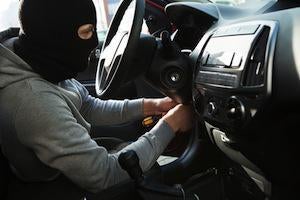
Because this offense is classified as a "wobbler" in California, prosecutors have the discretion to charge it as either a misdemeanor or a felony.
Understanding the statutory language, how it contrasts with Grand Theft Auto, and the potential defenses is essential if you or a loved one is facing these allegations.
What is Vehicle Code 10851 VC?
Vehicle Code 10851 VC makes it a crime to take or drive any motor vehicle belonging to someone else without their permission, regardless of whether you intend to deprive the owner of their vehicle permanently or just temporarily.
The Legal Definition of Unlawful Vehicle Taking
The statutory language of California Vehicle Code Section 10851(a) states:
“Any person who drives or takes a vehicle not his or her own, without the consent of the owner thereof, and with intent either to permanently or temporarily deprive the owner thereof of his or her title to or possession of the vehicle, whether with or without intent to steal the vehicle, or any person who is a party or an accessory to or an accomplice in the driving or unauthorized taking or stealing, is guilty of a public offense...”
Elements the Prosecution Must Prove
To secure a conviction under VC 10851, the prosecution must establish the following three legal elements beyond a reasonable doubt:
-
The Physical Act: The defendant drove or took a motor vehicle that did not belong to them.
-
Lack of Consent: The vehicle's owner did not give consent or permission for the defendant to drive or take the vehicle.
-
Specific Intent: The defendant acted with the specific intent to deprive the owner of possession or title of the vehicle, either temporarily or permanently.
Standard Penalties for Unlawful Driving or Taking
Because VC 10851 is a wobbler, the severity of the penalties depends heavily on the defendant's criminal record, the value of the vehicle, and the circumstances surrounding the offense.
Quick Reference Summary: VC 10851 Penalties
|
Feature |
Misdemeanor Charging |
Felony Charging |
| Maximum Jail/Prison Time | Up to 1 year in county jail | 16 months, 2 years, or 3 years in state prison |
| Maximum Criminal Fines | Up to $5,000 | Up to $10,000 |
| Probation Type | Summary (informal) probation | Formal felony probation |
| Victim Restitution | Required (pay back the owner) | Required (pay back the owner) |
Note on Prior Convictions: Under California Penal Code 666.5 PC, if a defendant has a prior felony conviction for vehicle theft (such as VC 10851 or Grand Theft Auto) and commits a new felony vehicle theft, the maximum prison sentence is enhanced to 2, 3, or 4 years in state prison.
Real-World Example: How VC 10851 Applies in Real Life
To understand how the "temporary intent" aspect of joyriding functions under California law, consider this scenario:
The Case of Sarah:
Sarah is walking home late at night when she notices her neighbor's garage door is open. The keys are on the seat of an unlocked convertible. Knowing her neighbor is asleep, Sarah decides to take the car for a quick spin around the neighborhood to clear her head, fully intending to park it back in the garage within twenty minutes.
However, she is pulled over by law enforcement for a minor traffic violation. Even though Sarah had every intention of returning the vehicle and did not plan to keep it permanently, she can still be fully prosecuted under Vehicle Code 10851 VC because the statute explicitly covers both temporary and permanent deprivation.
Related California Laws
Depending on the details of the investigation, prosecutors may charge VC 10851 alongside or instead of these related state laws:
-
Grand Theft Auto – Penal Code 487(d)(1) PC: Unlawfully taking another person's motor vehicle with the specific intent to permanently deprive the owner of it. Unlike VC 10851, Grand Theft Auto is strictly a felony if the vehicle is worth more than $950, and it requires proof of permanent intent.
-
Tampering with a Motor Vehicle – Vehicle Code 10852 VC: Intentionally damaging, altering, or removing components from another person's vehicle (such as a catalytic converter or wheels) without their permission, even if the vehicle itself is never driven or moved.
-
Receiving a Stolen Vehicle – Penal Code 496d PC: Knowingly buying, receiving, concealing, or withholding a motor vehicle that has been stolen. You can be prosecuted under this statute even if you were not the individual who originally took the car.
-
Carjacking – Penal Code 215 PC: Forcibly taking a motor vehicle from another person's immediate presence or possession through the use of physical force, violence, or fear. Carjacking is an exceptionally serious felony and a "strike" under California's Three Strikes Law.
Legal Defenses to Dismiss or Reduce Charges
An experienced California criminal defense attorney can build a robust defense strategy to challenge VC 10851 allegations:
-
Explicit or Implied Consent: Showing that you had actual permission from the owner to drive the vehicle, or that a prior relationship/pattern of behavior gave you a reasonable, good-faith belief that you had implied consent.
-
Claim of Right (Lack of Intent): Demonstrating that you honestly believed you had a legal right to possess or drive the vehicle (e.g., during a property dispute), which negates the required criminal intent.
-
Mistaken Identity or False Accusations: Proving that you were misidentified by witnesses or falsely accused by an associate, ex-partner, or relative due to a personal or civil dispute.
-
Constitutional Violations: If law enforcement pulled you over without reasonable suspicion or searched the vehicle without probable cause, a defense lawyer can move to suppress the evidence, which often leads to a complete dismissal of the charges.
Frequently Asked Questions (FAQs)
What is the main difference between joyriding under VC 10851 and Grand Theft Auto under PC 487?
The critical distinction is the driver's intent. Grand Theft Auto (PC 487(d)(1)) requires the prosecution to prove that the defendant intended to permanently deprive the owner of the vehicle. By contrast, Joyriding (VC 10851) does not require permanent intent; you can be convicted even if you intended only to take the vehicle for a brief drive and return it.
Can a VC 10851 felony charge be reduced to a misdemeanor?
Yes. Because VC 10851 is a wobbler, a skilled defense attorney can negotiate with the prosecutor to file the charge as a misdemeanor or, during the preliminary hearing or at sentencing, petition the judge to reduce a felony charge to a misdemeanor under Penal Code 17(b).
Can a passenger inside a stolen vehicle be convicted of joyriding?
Yes, but only if the prosecution proves that the passenger knew the vehicle was stolen and actively assisted, encouraged, or participated in the unlawful taking or driving. Simply being a passive passenger without knowledge of the theft is insufficient to secure a conviction.
What happens if I borrowed a car with permission but kept it longer than agreed?
If you initially had permission to drive the vehicle but intentionally kept it far beyond the agreed-upon timeframe and cut off contact with the owner, the owner's consent is considered withdrawn. This can result in a VC 10851 charge because you are now temporarily or permanently depriving the owner of their property without consent.
Is a conviction under Vehicle Code 10851 considered a "strike" in California?
No, a standard conviction for unlawful taking or driving of a vehicle under VC 10851 is not classified as a violent or serious felony under California's Three Strikes Law, so it does not count as a strike on your record.
What are the defense options if I thought the vehicle belonged to a family member?
If you genuinely and reasonably believed the vehicle belonged to a family member who had given you permission to use their property, your attorney can assert a "mistake of fact" or "claim of right" defense. Because you lacked the specific intent to unlawfully deprive the true owner of their vehicle, you cannot be found guilty of the crime.
Contact a Knowledgeable Defense Attorney
A conviction for unlawful vehicle taking under Vehicle Code 10851 VC carries severe, long-term consequences that can affect your employment, housing, and freedom.
However, prosecutors face a high legal burden to prove your specific intent and the lack of consent beyond a reasonable doubt.
At Esfandi Law Group, we are committed to thoroughly analyzing the evidence, identifying critical flaws in the prosecution's case, and fighting to have your charges reduced or dismissed.
Call our office today to secure your complimentary, confidential consultation and take control of your defense.