
Hitting a Parked Car in California: Laws, Penalties, and Legal Requirements
It happens in a split second. You are backing out of a tight parking space or turning a sharp corner in a residential neighborhood when you hear the crunch of metal. You have just struck an unattended parked car.
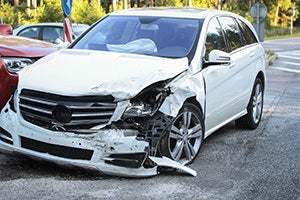
What you do in the next few minutes will determine whether this remains a minor insurance claim or escalates into a misdemeanor hit-and-run prosecution under California Vehicle Code 20002 (VC 20002).
In California, the law is uncompromising: fault and the amount of damage do not matter.
Even if the other vehicle was illegally parked, or you merely left a microscopic paint scratch, you have an absolute statutory duty to stop and notify the owner. Failing to do so transforms a simple civil mishap into a criminal traffic offense.
Quick Reference Summary: California VC 20002
|
Legal Metric |
Standard Under Vehicle Code 20002 |
| Offense Level | Misdemeanor criminal offense (not a simple traffic infraction). |
| Mandatory Trigger | Any collision causing property damage only where the driver leaves without notice. |
| Fault Relevance | Strictly Irrelevant. Legally binding even if you did not cause the collision. |
| Maximum Jail Exposure | Up to 6 months in a California county jail. |
| Maximum Court Fine | Up to $1,000 base fine (plus mandatory state penalty assessments). |
| DMV Record Impact | 2 negligent operator points added to your permanent driving record. |
| Case Dismissal Path | Eligible for a Civil Compromise if the victim's damages have been fully paid. |
Legal Duties Required After Striking a Parked Car
If you strike an unattended vehicle or property in California, you cannot simply drive away after a quick glance. Vehicle Code 20002 mandates a specific series of actions.
Criminal Penalties and Long-Term Consequences
Failing to comply with the steps above reclassifies the incident from an accident to an intentional crime. A conviction under VC 20002 carries significant legal weight:
Statutory Court Penalties
-
Jail Time: Up to 6 months in the county jail.
-
Fines: A base fine of up to $1,000. Court assessments, state taxes, and processing fees regularly push the total penalty closer to $4,000.
-
Summary Probation: Up to 3 years of informal probation, during which you must avoid further criminal arrests or violations.
-
Restitution: Complete out-of-pocket repayment to the victim for all vehicle repairs and loss of use.
DMV and Insurance Repercussions
-
2 DMV Points: The California DMV adds 2 negligent operator points to your record. Amassing 4 points within 12 months results in an automatic license suspension.
-
Insurance Premium Surges: Insurance providers treat hit-and-run convictions as a serious risk factor. Your premiums can double or triple, or your policy may be canceled entirely.
-
The $1,000 DMV Reporting Rule: Separate from the hit-and-run law, if the total property damage to either vehicle exceeds $1,000, you must file an SR-1 Report with the California DMV within 10 days. Failing to do so triggers an administrative driver's license suspension.
Real-World Case Example: The "No Visible Damage" Misconception
-
The Scenario: A driver clips the rear bumper of a parked pickup truck while parallel parking on a busy downtown street. The driver exits the vehicle, inspects the truck's metal bumper, finds no visible scratches or dents, and decides there is no need to leave a note. They leave to run their errands. A nearby pedestrian records the incident on a smartphone, and the truck owner later discovers hidden structural damage to the bumper brackets underneath.
-
The Legal Outcome: The driver is tracked down via license plate lookup and charged with a misdemeanor hit-and-run.
-
The Key Lesson: The law applies to any property damage, whether visible or hidden. Because structural damage can occur beneath plastic bumper covers, leaving the scene without leaving your information satisfies the elements of VC 20002. Documentation and notification protect you from claims of criminal intent.
Related California Traffic and Criminal Laws
A parked-car accident investigation frequently reveals or intersects with other California statutes:
-
Vehicle Code 20001 (Felony Hit-and-Run): If you strike a parked vehicle and the collision injures a passenger in your car or anyone nearby, the offense becomes a felony, punishable by up to 4 years in state prison.
-
Vehicle Code 23152 (Driving Under the Influence): Fleeing a parked car crash often leads police to suspect the driver was trying to avoid a DUI evaluation. If caught shortly afterward, DUI charges are routinely filed.
-
Vehicle Code 14601 (Driving on a Suspended License): Drivers frequently flee minor property accidents because they lack valid driving privileges. This adds a separate misdemeanor count with a mandatory minimum jail sentence.
-
Vehicle Code 16020 (Failure to Maintain Financial Responsibility): Driving without valid auto insurance results in distinct financial infractions and vehicle impoundment.
Frequently Asked Questions
Do I have to leave a note if I see absolutely no damage on the parked car?
Yes. It is highly recommended to leave a note or explicitly document the scene. Hidden structural damage to sensors, brackets, or clips behind modern bumpers can easily cost hundreds of dollars to repair. If the owner discovers damage later and identifies your vehicle via video or witness testimony, you face criminal exposure.
Can I get a hit-and-run charge dismissed if I pay for the damage later?
Yes, through a mechanism known as a Civil Compromise under California Penal Code sections 1377-1379. If the offense is a misdemeanor property crime, a judge has the discretion to dismiss the criminal charges entirely once your defense attorney proves that the victim has been fully compensated and desires the prosecution to end.
What if I am driving a friend's car and hit a parked vehicle?
You must provide your own name and address, along with the contact information for the registered owner of the vehicle you were operating. Both the driver and the vehicle are tracked during hit-and-run investigations.
What should I do if I receive a letter from a hit-and-run investigator?
Do not contact the investigator directly to explain your side. Investigators use these interviews to get you to admit that you were the driver at that specific date and time. Instead, have a qualified criminal defense attorney manage all communications to protect your rights.
Does Vehicle Code 20002 apply to accidents in private parking lots?
Yes. California's hit-and-run laws apply statewide, including public roadways, highways, private driveways, commercial shopping center parking lots, and residential parking structures.
What if someone hits my parked car and drives away without a note?
Immediately document the damage with photos, check nearby businesses or residences for security camera footage, look for witnesses, and file a formal police report. This helps your insurance provider process the claim under uninsured motorist property damage coverage, if available.
Early Legal Support Minimizes Your Risk
If you realize you made a mistake by leaving the scene of a parked car accident, acting promptly can prevent it from affecting your future.
An experienced defense attorney can usually intervene during the investigation phase—contacting the detective, facilitating quick insurance claims, and resolving property damage issues before the prosecutor files misdemeanor charges.
The Esfandi Law Group can help you. Schedule your free consultation at (310) 274-6529 or use the contact form.