CALL TODAY FOR A FREE CONSULTATION (310) 274-6529
CALL TODAY FOR A FREE CONSULTATION

Weapon Offenses

Los Angeles Weapon Offenses Attorney

Defense for Gun and Firearm Charges in California

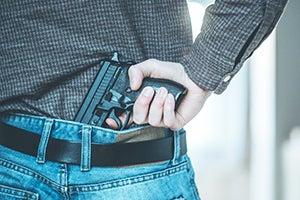
Weapon and firearm charges in California are aggressively prosecuted and can lead to jail or prison time, felony convictions, and a permanent loss of firearm rights.

Los Angeles Weapon Offenses Attorney

Even a first-time offense—such as carrying a concealed weapon without a permit—can have serious, long-term consequences.

If you are under investigation or have been charged with a gun or weapon offense, early legal intervention is critical.

 An experienced Los Angeles criminal defense attorney can challenge the evidence, identify legal defenses, and work to reduce or dismiss charges before your case escalates.

At Esfandi Law Group, we aggressively defend clients accused of firearm and weapon crimes throughout Los Angeles County and Southern California.

Schedule your free consultation at (310) 274-6529 or use the contact form here.


California Weapon Laws and Statutory Framework

California has one of the most comprehensive and strictly enforced weapons regulatory systems in the country. Firearm and weapon offenses are governed by a wide range of statutes that regulate the possession, carrying, transportation, and use of weapons.

Even technical violations—such as improper storage or carrying a concealed firearm without authorization—can lead to criminal charges.

These laws are primarily found in the California Penal Code and are actively enforced throughout Los Angeles County and across the state.

Related Legal Topics

  • A Fourth Amendment violation occurs when government officials conduct searches or seizures that aren't reasonable, or when they act without a proper warrant based on probable cause.
  • Failure to appear in California occurs when someone is legally required to attend a court hearing and intentionally skips it. Known as “FTA,” this can lead to additional charges, fines, and a bench warrant for arrest.
  • Modern forensic research and real-world cases show that fingerprint evidence is not infallible.
  • Courts have recognized several exceptions to the warrant requirement, with exigent circumstances among the most commonly disputed.
  • In many cases, qualifying defendants can participate in pretrial diversion programs, completing treatment, education, counseling, or other court-mandated requirements in exchange for having charges dismissed.
  • In California, police can search a car without a warrant, but only under specific legal exceptions. If those exceptions are violated, the evidence may be excluded, and your case could be reduced or dismissed.
  • California law offers key legal protections for married couples, often referred to as marital or spousal privilege.
  • California Penal Code 29825 PC makes it illegal for certain individuals to possess firearms while subject to court orders.

Core California Weapon Statutes

Several key statutes form the foundation of California's weapon laws:

  • California Penal Code 25400
    Prohibits carrying a concealed firearm on your person or in a vehicle without proper authorization.
  • California Penal Code 25850
    Makes it illegal to carry a loaded firearm in public or in a vehicle under most circumstances.
  • California Penal Code 29800
    Bars individuals with felony convictions or certain misdemeanor convictions from possessing firearms.
  • California Penal Code 417
    PC 417 criminalizes drawing or exhibiting a weapon in a threatening or angry manner.
  • California Penal Code 246.3
    Prohibits willfully discharging a firearm in a grossly negligent way that could result in injury or death.
  • California Penal Code 626.9
    Restricts possession of firearms within 1,000 feet of school grounds, subject to limited exceptions.

Regulation of Restricted and Prohibited Weapons

California law also strictly regulates certain types of firearms and devices, including:

  • California Penal Code 30605
    Prohibits possession of defined “assault weapons” unless lawfully registered or exempt.
  • California Penal Code 32310
    Restricts possession of magazines capable of holding more than 10 rounds (subject to ongoing legal challenges).
  • California Penal Code 33215
    Criminalizes possession of certain modified firearms, such as short-barreled rifles or shotguns.

These statutes are complex and frequently updated, making it easy for individuals to unknowingly violate the law.


Key Legal Concepts in California Weapon Cases

To understand how these laws are enforced, several legal principles are critical:

Possession

Possession can be:

  • Actual possession, meaning the weapon is on your person
  • Constructive possession, meaning you have control over the location where the weapon is found

Knowledge

Many charges require proof that you knew the weapon was present and that your conduct was unlawful.

Intent and Conduct

Some offenses require proof of intent, while others are based solely on possession or negligent conduct.

Lawful Exceptions

California law provides limited exemptions, such as:

  • Lawful transportation of unloaded firearms in a locked container
  • Licensed concealed carry permit holders
  • Certain law enforcement or security-related exceptions

Why the Statutory Framework Matters

Weapon cases often turn on technical legal details within these statutes. Small factual differences can determine whether a case is:

  • Filed as a misdemeanor or felony
  • Eligible for dismissal based on a legal exemption
  • Subject to suppression of evidence due to unlawful police conduct

Because of the complexity of California weapon laws, a thorough legal analysis is essential in every case.


Practical Example

A person is stopped for a traffic violation, and officers discover a firearm in the vehicle.

Legal issues may include:

  • Whether the firearm was loaded
  • Whether it was properly stored
  • Whether the driver had knowledge or control
  • Whether the search was lawful

Depending on these facts, the case could result in charges under multiple statutes—or be dismissed entirely.


Common Examples of Weapon and Firearm Charges in Los Angeles

Weapon and firearm charges in Los Angeles often arise from everyday situations such as traffic stops, disputes, or routine police encounters. California law broadly regulates how firearms can be possessed, carried, and used, and even minor mistakes can lead to criminal charges.

Below are common real-world examples that illustrate how these cases are charged under California law.


Carrying a Concealed Firearm Without a Permit

California Penal Code 25400

Example:
A driver keeps a handgun in the glove compartment or backpack without a valid concealed carry permit. During a traffic stop, officers discover the firearm.

Why it leads to charges:
Concealed firearms must be lawfully permitted. Even if the weapon is legally owned, improper concealment can result in criminal charges.


Carrying a Loaded Firearm in Public

California Penal Code 25850

Example:
A person carries a loaded firearm in a vehicle or on their person in a public place without authorization.

Why it leads to charges:
California generally prohibits carrying loaded firearms in public unless specific exceptions apply.


Felon or Prohibited Person in Possession of a Firearm

California Penal Code 29800

Example:
A person with a prior felony conviction is found with a firearm during a probation search or traffic stop.

Why it leads to charges:
Certain individuals are permanently barred from possessing firearms under California law.


Brandishing a Weapon During a Dispute

California Penal Code 417

Example:
During an argument, a person displays a firearm or knife in a threatening manner to intimidate another person.

Why it leads to charges:
The law prohibits exhibiting a weapon in a rude, angry, or threatening way, even if no one is injured.


Negligent Discharge of a Firearm

California Penal Code 246.3

Example:
Someone fires a gun into the air during a celebration or discharges a weapon in a residential neighborhood.

Why it leads to charges:
Discharging a firearm in a reckless manner that could endanger others is a criminal offense.


Possession of an Assault Weapon or Illegal Firearm

California Penal Code 30605

Example:
A person owns or possesses a firearm classified as an assault weapon under California law without proper registration.

Why it leads to charges:
California strictly regulates certain firearms, and many individuals are charged without realizing their weapon is prohibited.


Possession of a Firearm in a School Zone

California Penal Code 626.9

Example:
A firearm is found in a vehicle parked within 1,000 feet of a school, even if it is unloaded.

Why it leads to charges:
Possessing a firearm near school grounds is heavily restricted and carries enhanced penalties.


Firearm Found During a Police Search

Example:
Officers conduct a vehicle or home search and discover a weapon. This often leads to multiple charges depending on the circumstances.

Legal issues involved:

  • Whether the search was lawful
  • Whether the defendant had knowledge or control of the weapon
  • Whether the weapon was properly stored

Why These Examples Matter

Many weapon cases are fact-specific and depend on small details, such as:

  • Where the firearm was located
  • Whether it was loaded
  • Whether the person had legal authorization
  • Whether law enforcement followed proper procedures

These factors often determine whether charges are filed, reduced, or dismissed.


How Prosecutors Try to Prove Weapon Offenses

To secure a conviction, prosecutors must prove specific legal elements beyond a reasonable doubt. These often include:

  • That you knowingly possessed or controlled the weapon

  • That the weapon was illegal or unlawfully carried

  • That law enforcement lawfully discovered and seized the weapon

  • That you lacked a valid legal exemption or defense

Many cases fail because the police made mistakes during the stop, search, or arrest.


Common Defenses to Weapon Charges in California

Every case is different, but some of the most effective defenses include:

Illegal Search and Seizure

If police violated your Fourth Amendment rights—by stopping you without cause or searching without a warrant—evidence may be suppressed and charges dismissed.

Lack of Possession

The prosecution must prove you had actual or constructive possession. Simply being near a weapon is not enough.

Lack of Knowledge

Some charges require proof that you knew the weapon existed or was illegal.

Self-Defense or Defense of Others

California law allows reasonable possession or use of a weapon in legitimate self-defense situations.

Lawful Ownership or Exemption

Many people are wrongfully charged despite qualifying for legal exemptions under California law.


Felony vs. Misdemeanor Weapon Charges in California

Weapon offenses in California are often classified as misdemeanors, felonies, or “wobblers,” meaning they can be charged either way depending on the facts of the case. The filing decision can significantly impact jail exposure, long-term consequences, and your criminal record.

Below is a clear comparison chart to help you understand how these charges are evaluated.


Felony vs. Misdemeanor Chart

Factor Misdemeanor Weapon Charge Felony Weapon Charge

Typical Penalty

Up to 1 year in county jail

16 months, 2 years, or 3+ years in state prison

Fine

Up to $1,000–$2,000

Up to $10,000 or more

Criminal Record

Misdemeanor conviction

Felony conviction (more serious record)

Firearm Rights

Temporary or limited restrictions

Lifetime firearm ban in most cases

Immigration Impact

Possible consequences

High risk of deportation or inadmissibility

Examples of Charges

Carrying concealed firearm (first offense), brandishing

Felon in possession, illegal assault weapon possession

Probation

Informal (summary) probation

Formal probation or prison sentence

Background Checks

May affect employment

Significant long-term impact on jobs and housing


What Determines Whether a Charge Is a Felony or Misdemeanor?

Many weapon offenses are charged as wobblers under statutes like:

  • California Penal Code 25400
  • California Penal Code 25850

Prosecutors consider several factors when deciding how to file the case:

  • Prior criminal history
  • Whether the firearm was loaded
  • Whether the weapon was stolen or unregistered
  • Location of the offense (e.g., school zone or public place)
  • Whether the weapon was used in connection with another crime
  • Whether the defendant is legally prohibited from possessing a firearm

Examples of How Charges Are Filed

Misdemeanor Example

A person with no criminal record is found with an unloaded firearm in their vehicle without proper storage.

Possible outcome:
Charged as a misdemeanor under Penal Code 25400.


Felony Example

A person with a prior felony conviction is found in possession of a firearm.

Applicable statute:
California Penal Code 29800

Possible outcome:
Filed as a felony with state prison exposure.


Wobbler Example

A person carries a loaded firearm in public without authorization.

Applicable statute:
California Penal Code 25850

Possible outcome:
Can be charged as either a misdemeanor or felony depending on the circumstances.


Why This Distinction Matters

The difference between a misdemeanor and felony weapon charge can affect:

  • Whether you face jail or prison
  • Your ability to own or possess firearms in the future
  • Employment and housing opportunities
  • Immigration status

An experienced California criminal defense attorney can often negotiate:

  • Reduction of felony charges to misdemeanors
  • Diversion or alternative sentencing
  • Dismissal based on legal defenses

Strategic Insight

Early intervention is critical in cases involving weapons. In many situations, defense attorneys can present mitigating evidence to prosecutors before charges are formally filed, which can influence whether a case is filed as a misdemeanor instead of a felony.


Frequently Asked Questions About Felony vs. Misdemeanor Weapon Charges

Can a weapon charge be reduced from a felony to a misdemeanor?

Yes. Many California weapon offenses are “wobblers,” meaning they can be filed as either a felony or misdemeanor. A defense attorney can often negotiate with prosecutors to reduce a felony charge based on factors such as lack of prior record, circumstances of the arrest, and weaknesses in the evidence.


What makes a weapon charge a felony instead of a misdemeanor?

Prosecutors consider several factors, including:

  • Prior criminal history
  • Whether the firearm was loaded
  • Whether the weapon was stolen or illegal
  • Whether the offense occurred in a restricted area
  • Whether the weapon was used during another crime

More serious facts typically result in felony filing.


Will I lose my gun rights if convicted?

It depends on the charge.

  • Misdemeanor convictions may result in temporary firearm restrictions
  • Felony convictions usually result in a lifetime ban under California Penal Code 29800

Do first-time offenders go to jail for weapon charges?

Not always. First-time offenders are more likely to receive:

  • Probation
  • Reduced charges
  • Alternative sentencing

However, jail time is still possible depending on the circumstances.


Can a case be dismissed if the police conducted an illegal search?

Yes. If law enforcement violated your Fourth Amendment rights, your attorney can file a motion to suppress evidence. If successful, the prosecution may lose key evidence and be forced to dismiss the case.


What is a “wobbler” offense?

A wobbler is a charge that can be prosecuted as either a misdemeanor or felony. Examples include:

  • California Penal Code 25400
  • California Penal Code 25850

The final classification depends on the facts of the case.


Can I avoid a conviction for a weapon charge?

In some cases, yes. Possible outcomes include:

  • Case dismissal
  • Charge reduction
  • Diversion programs (when available)

The outcome depends on the strength of the evidence and available defenses.


How do weapon charges affect immigration status?

Weapon convictions can have serious immigration consequences, including deportation or denial of entry into the United States. Non-citizens should seek legal representation immediately.


Should I speak to police if I am accused of a gun offense?

No. You have the right to remain silent. Anything you say can be used against you. It is best to speak with a defense attorney before answering any questions.


When should I hire a lawyer for a weapon charge?

Immediately. Early legal intervention can:

  • Prevent charges from being filed
  • Reduce felony exposure
  • Preserve critical evidence
  • Improve the chances of a favorable outcome

Immigration Consequences of Weapon Offenses

For non-citizens, a weapon conviction can trigger deportation, denial of naturalization, or permanent inadmissibility. Early legal intervention is critical to protecting your immigration status.


Why Choose Esfandi Law Group for Weapon Charges?

At Esfandi Law Group, weapon cases are handled with precision, urgency, and aggressive advocacy.

Led by Attorney Seppi Esfandi

Seppi Esfandi is a former Deputy Public Defender with over 20 years of criminal defense experience. He has defended thousands of cases involving firearms, violent crimes, and serious felonies in Los Angeles courts.

What Sets Us Apart

  • Extensive experience with California gun laws

  • Aggressive motion practice to suppress evidence

  • Strategic negotiations with prosecutors

  • Proven trial experience

  • Bilingual legal services (English & Spanish)

  • Personalized defense strategies for every client


Weapon Charges Can Change Your Life—Take Action Now

A weapons charge does not have to define your future. With the right defense attorney, many cases result in reduced charges, dismissals, or favorable resolutions.

If you or a loved one is facing firearm or weapon charges inLos Angeles, do not wait. Early intervention can make all the difference.

In certain situations, waiving a jury trial in favor of a bench trial may be a strategic move.

Schedule a Free Confidential Consultation

Call (310) 274-6529 to speak with an experienced Los Angeles weapon offenses attorney today. We are ready to protect your rights, your freedom, and your future.

Related Content

Get Legal Help Now

Protect Your Rights Today

Don’t wait to take action. Contact Esfandi Law Group for a consultation, and let us build a strong defense for your case.

Contact Us

Menu