
California Open Container Laws: Vehicle Code 23221–23229 Explained
California open container laws govern the possession, storage, and consumption of alcohol and cannabis inside motor vehicles.
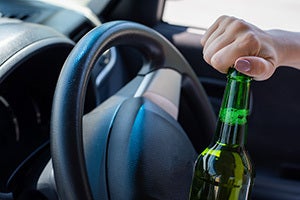
Designed to prevent impaired driving and maintain public safety on public roads, California Vehicle Code (VC) sections 23221 through 23229 make it illegal in most situations to operate a vehicle—or ride as a passenger—with an unsealed container of alcohol or marijuana.
If you or a loved one are facing open container citations or related charges, Esfandi Law Group provides strategic defense to protect your record and driver's license. Schedule a free consultation today by calling (310) 274-6529 or contacting us online.
What Counts as an Open Container Under California Law?
Under California law, an open container is defined as any bottle, can, flask, cup, or receptacle containing alcohol (or marijuana) that has been opened, had its factory seal broken, or had any portion of its contents consumed.
Legal responsibility is determined by the condition of the seal, not the current volume of liquid or substance inside.
Common Examples of Open Containers
-
Open beer bottles, cans, or hard seltzers (even if mostly full)
-
Uncorked or re-corked wine bottles
-
Unsealed liquor bottles with broken safety bands
-
Open cups, glasses, flasks, or travel mugs containing alcohol
-
Empty alcohol containers that were previously opened or consumed
What Does NOT Qualify as an Open Container?
-
Factory-sealed, unopened bottles of alcohol purchased from a retailer
-
Cans or bottles with completely intact original safety seals
-
Properly sealed, post-dining wine bottles transported strictly according to legal storage guidelines
Key Takeaway: An open container is defined by its physical condition rather than its remaining contents. An empty beer bottle with a broken seal inside the passenger compartment still violates the California Vehicle Code.
California Open Container Laws by Vehicle Code Section
-
Drinking or Using Cannabis in a Vehicle (VC 23221): Prohibits drivers and passengers from consuming alcohol, smoking marijuana, or using cannabis in any motor vehicle on a public roadway, whether moving or stopped in traffic.
-
Possession of an Open Alcohol Container (VC 23222(a)): Makes it illegal for a driver to possess an open, unsealed, or partially consumed container of alcohol inside the passenger compartment of a vehicle.
-
Possession of Open Cannabis or Loose Marijuana (VC 23222(b)): Prohibits operating a motor vehicle while possessing an unsealed container of cannabis or loose, open marijuana accessible to occupants inside the vehicle.
-
Underage Possession of Alcohol in a Vehicle (VC 23224): Prohibits individuals under 21 years old from driving or riding in a vehicle with alcohol inside—whether the container is open or factory-sealed—unless accompanied by a parent, guardian, or authorized employer.
-
Prohibited Storage of Open Containers (VC 23226): Makes it illegal to store an open alcohol or cannabis container in accessible interior areas of a vehicle, explicitly banning placement in glove compartments, center consoles, or door pockets.
-
Transporting Alcohol with Minors in Hired Vehicles (VC 23229.1): Prohibits transporting alcohol inside vehicles for hire (such as taxis, limousines, or charter buses) whenever any passenger under 21 years of age is present on board.
Where Can You Legally Store an Open Container in a Vehicle?
To avoid an open container citation in California, unsealed alcohol or cannabis must be completely inaccessible to both the driver and all passengers.
Legal Storage Locations:
-
Inside the trunk of the vehicle
-
Stored inside a locked box or secured container
-
In the living quarters of a housecar or camper
-
In the cargo area behind the rearmost seat in vehicles without a trunk (e.g., hatchbacks or SUVs), provided the container is placed out of arm's reach
Critical Legal Warning: Placing an open bottle inside a closed glove compartment or center console is illegal under VC 23226 because those areas remain within arm's reach of the driver or passengers.
Penalties for California Open Container Violations
Penalties vary significantly based on the driver's age, driving record, and whether the infraction is tied to a Driving Under the Influence (DUI) investigation.
|
Offense Category |
Charge Level + Fine |
Additional Consequences |
| Adult Driver / Passenger (21 and older) | Infraction. Up to $250 fine | DMV point on driving record; increased insurance rates |
| Adult Repeat Violation / Linked to DUI | Infraction / Misdemeanor. Escalate fines and court costs | Serves as probable cause/evidence in a VC 23152 DUI prosecution |
| Under 21 Driver or Passenger (VC 23224) | Misdemeanor. Up to $1,000 fine | Up to 1-year driver's license suspension; mandatory community service |
Real-World Examples of Open Container Scenarios
-
Scenario 1 (Unlawful Storage): A driver is stopped for a burnt-out headlight. The officer notices a half-empty, re-capped liquor bottle inside the center console. Result: The driver receives an infraction citation under VC 23222(a) for improper storage within the passenger compartment.
-
Scenario 2 (Lawful Transportation): An adult passenger purchases an opened, re-corked bottle of wine from a restaurant and locks it inside the vehicle's trunk before driving home. Result: Completely legal under VC 23225.
-
Scenario 3 (Underage Possession): A 19-year-old drives with unopened beer cans sitting in the back seat. Result: Misdemeanor citation under VC 23224 for underage possession in a motor vehicle.
Legal Defenses Against Open Container Charges
An experienced criminal defense lawyer can evaluate several factual and procedural defenses to challenge an open container ticket or charge:
-
Lawful Storage: Proving the unsealed container was secured inside the trunk or an authorized locked container outside arm's reach.
-
Container Was Factory-Sealed: Demonstrating the seal, cork, or safety band was fully intact at the time of the police stop.
-
Lack of Possession or Control: Establishing the container belonged to another party and was not within your control or proximity.
-
Private Property Exception: Proving the incident took place on private property rather than a public street, highway, or off-street parking facility.
-
Illegal Traffic Stop or Unlawful Search: Showing law enforcement lacked reasonable suspicion to stop you or probable cause to search the vehicle, which can suppress the evidence.
Related Offenses Under California Law
-
Vehicle Code 23152 (DUI): Operating a motor vehicle under the influence of alcohol or drugs. An open container ticket often triggers a concurrent DUI investigation.
-
Business and Professions Code 25661: Possession of false identification by a minor to acquire alcohol.
-
Penal Code 647(f) (Public Intoxication): Being under the influence of alcohol or drugs in a public space to a degree where you cannot care for your safety.
-
Vehicle Code 14601: Operating a vehicle with a suspended or revoked driver's license.
-
Health and Safety Code 11362: Laws governing the legal possession and use of cannabis in California.
Frequently Asked Questions (FAQs)
Can you have an open container in the back seat in California?
No. Under California law, open containers of alcohol or cannabis are prohibited anywhere within the passenger compartment of a vehicle, including the back seat, floorboards, and door pockets.
Can passengers drink alcohol in a car in California?
Passengers can only drink alcohol in designated vehicles for hire, such as limousines, taxicabs, charter buses, or the living quarters of a motorhome, provided no passengers under the age of 21 are present.
Is an empty beer bottle considered an open container?
Yes. Under California Vehicle Code, an empty beer bottle or alcohol container whose seal was previously broken qualifies as an open container, regardless of whether liquid remains inside.
How do you legally transport an open container of alcohol in a car?
To legally transport an unsealed bottle or opened container of alcohol, you must place it in the vehicle's trunk or inside a locked compartment inaccessible to the driver and passengers.
What happens if you are under 21 with alcohol in a vehicle?
Minors found with alcohol in a vehicle—whether the container is open or closed—face a misdemeanor charge, fines up to $1,000, community service, and a 1-year suspension of their driver's license under VC 23224.
Does an open container ticket go on your driving record?
Yes. An open container infraction adds a point to your California DMV driving record, which can lead to increased car insurance rates or potential driver's license suspension for negligent operator points.
Speak With a California Defense Attorney Today
If you or a loved one have been cited or charged with violating California's open container laws, taking immediate legal action can protect your driver's license, prevent insurance hikes, and keep your criminal record clean.
The experienced legal team at Esfandi Law Group will review your case, identify improper police procedure, and work aggressively to reduce or dismiss your charges.
Call Esfandi Law Group today at (310) 274-6529 or fill out our online contact form to schedule your complimentary, confidential case evaluation.