
Fire investigations classify structure fires into four primary origin categories: accidental, acts of nature, negligence, or intentional. Intentionally and maliciously setting fire to property, land, or vehicles constitutes the criminal offense of arson.
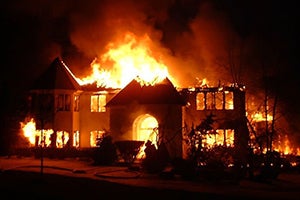
Detecting arson requires specialized forensic analysis because fire suppression efforts, heat, and water often destroy physical evidence. Despite these challenges, certified fire investigators use systematic protocols to identify incendiary signs and establish whether a fire was intentionally set.
The Fire Investigation Process
Arson investigations begin while fire suppression is still active. Investigators gather initial observations from first responders and eyewitnesses regarding flame dynamics, smoke patterns, and scene conditions.
To build a forensic case, investigators analyze physical burn patterns, collect debris samples for laboratory testing, and systematically rule out alternative ignition sources.
|
Investigator Focus Area |
Key Observation / Evidence |
Forensic Significance |
| Suppression Observations | Smoke color, flame intensity, sprinkler status. | Atypical smoke colors (e.g., black or unusual chemical hues) suggest chemical accelerants. |
| Origin & Cause Analysis | Multiple low-level origin points, pour patterns. | Natural fires rarely ignite in multiple disconnected locations at the same time. |
| Physical Interventions | Tampered alarms, propped doors, cut lines. | Indicates deliberate efforts to accelerate fire spread or delay emergency response. |
| Debris Laboratory Analysis | Gas chromatography on charred samples. | Detects liquid accelerant residues like gasoline, kerosene, or lighter fluid. |
9 Key Physical Indicators Used to Detect Arson
Fire origin and cause experts evaluate specific physical red flags to determine if a fire was incendiary:
-
Elimination of Accidental Causes: Systematically ruling out electrical malfunctions, heating equipment failures, and natural causes leaves intentional human action as the logical explanation.
-
Presence of Accelerants: Irregular burn patterns on floors ("puddle shapes" or "downward burns") suggest liquid accelerant usage, confirmed via forensic laboratory testing.
-
Multiple Points of Origin: Fire starting simultaneously in several independent locations strongly indicates intentional ignition.
-
Unidentifiable Ignition Source: An absence of appliances, wiring, or natural heat sources at the origin point points toward an introduced open flame.
-
Disabled Safety Systems: Tampered smoke detectors, shut-off sprinkler valves, or obstructed fire hydrants evidence premeditation.
-
Missing Valuables or Personal Items: Removing sentimental items, pets, or high-value electronics before the fire suggests an intentional plan, often linked to insurance fraud.
-
Structural Ventilation Modifications: Open windows, forced ceiling breaches, or propped doors created before the fire indicate attempts to feed oxygen to the flames.
-
Unusual Burn Patterns: V-patterns on walls that don't align with standard fuel loads, or floor charring beneath furniture, point to introduced ignitables.
-
Repeat Witnesses or Bystanders: The recurring presence of the same individual at multiple, unrelated fire scenes raises immediate investigative scrutiny.
Motivations Behind Arson Charges
Law enforcement and insurance investigators evaluate potential motives when building an arson prosecution, including:
-
Insurance Fraud: Intentionally destroying property to collect monetary payouts.
-
Crime Concealment: Burning a scene to destroy physical evidence, DNA, or fingerprints tied to a separate crime.
-
Revenge or Disputes: Setting fire to property during domestic, personal, or business conflicts.
-
Vandalism & Pyromania: Destruction driven by thrill-seeking behavior or psychological impulse disorders.
Frequently Asked Questions (FAQs)
How do forensic labs prove accelerants were used in a fire?
Forensic scientists place charred debris samples into sealed containers and use gas chromatography-mass spectrometry (GC-MS) to detect trace hydrocarbons from gasoline, diesel, or lighter fluid, even after severe burning and water exposure.
What is the difference between accidental fire damage and criminal arson?
An accidental fire stems from unintentional factors like electrical wiring faults or cooking accidents without malicious intent. Arson requires proving that an individual willingly and maliciously set the fire or assisted in doing so.
Can you be charged with arson if you burn your own property?
Yes. Burning your own property is illegal if done maliciously, to defraud an insurance company, or if it recklessly endangers adjacent property, public safety, or human life.
What are the primary legal defenses against arson allegations?
Common legal defenses include proving accidental ignition (such as an undetected electrical fault), challenging unreliable origin-and-cause methodology, demonstrating a lack of intent, or establishing a solid alibi.
When should you consult a criminal defense attorney regarding an arson investigation?
You should contact a criminal defense lawyer immediately if you are questioned by fire marshals, law enforcement, or insurance investigators. Early legal representation protects your constitutional rights during complex scientific investigations.
Criminal Defense for Arson and Property Crimes
Arson allegations carry severe felony penalties, including lengthy state prison sentences, massive restitution orders, and permanent criminal records. Defending against arson charges requires challenging prosecution experts on thermodynamics, burn pattern analysis, and lab procedures.
Esfandi Law Group provides defense representation against serious felony charges across California. Led by Seppi Esfandi, an expert criminal defense attorney with over 21 years of courtroom experience, the firm challenges forensic evidence and builds strong defense strategies.
Call 310-274-6529 or contact Esfandi Law Group to evaluate your legal options.
