
The California juvenile court system operates under the legal principle of parens patriae (parent of the fatherland), prioritizing rehabilitation, education, and protection for minors over retribution and punishment.
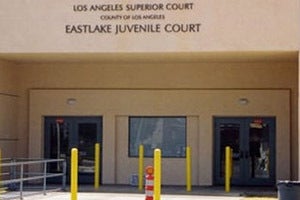
Unlike adult criminal courts, the juvenile delinquency system focuses on guiding youth under 18 toward becoming law-abiding citizens. Governed primarily by the California Welfare and Institutions Code (WIC), juvenile proceedings are civil in nature rather than traditional criminal trials.
Key Differences Between California Adult and Juvenile Courts
While juvenile courts adhere to constitutional due process standards, the language, procedures, and legal outcomes differ significantly from adult criminal proceedings:
|
Legal Concept |
Adult Criminal Court |
California Juvenile Delinquency Court |
| Formal Charge | Criminal Complaint or Indictment | Delinquency Petition (WIC § 602) |
| Plea Entered | "Guilty" or "Not Guilty" | "Admit" or "Deny" the allegations |
| Trial Phase | Public Jury Trial | Bench Trial before a Judge (Jurisdiction Hearing) |
| Adjudication / Verdict | Conviction | Sustained Petition |
| Sentencing Phase | Jail or Prison Sentence | Disposition Hearing (Placement or Probation) |
| Standard Outcome | Incarceration / Punitive Fines | Community Service, Counseling, or Commitment to Juvenile Hall |
Stages of the California Juvenile Court Process
A formal juvenile delinquency case in California progresses through a series of structured court hearings:
-
Filing the Petition: The prosecutor or probation officer files a formal petition under Welfare and Institutions Code § 602 alleging that a minor committed an offense.
-
Detention Hearing: If the minor is kept in custody, a detention hearing determines whether they may return home or remain in juvenile hall pending trial.
-
Arraignment and First Hearing: The judge formally reads the charges, and the minor enters an admission or denial.
-
Fitness Hearing (Transfer Hearing): For severe offenses, the court determines if a minor aged 16 or older should be transferred to adult criminal court.
-
Jurisdiction Hearing (Trial): A bench trial where the judge hears evidence and decides beyond a reasonable doubt whether to sustain the petition.
-
Disposition Hearing (Sentencing): If the petition is sustained, the judge outlines a rehabilitation plan, which may include probation, community service, or commitment to a local juvenile facility or camp.
-
Record Sealing: After successfully completing probation or disposition terms, eligible individuals can petition to have their juvenile records permanently sealed.
Informal Probation Options (WIC § 654)
For minor infractions or first-time offenses, a probation officer or prosecutor may grant Informal Probation. Under this arrangement, the minor completes up to six months of remedial measures—such as counseling, community service, or restitution—without a formal petition being sustained, resulting in a full dismissal of the charges.
The Impact of California's Three Strikes Law on Juveniles
Under California Penal Code §§ 667 and 1170.12, certain severe juvenile adjudications can count as "strikes" under the state's Three Strikes Law if the individual is later prosecuted as an adult. A juvenile offense qualifies as a prior strike if:
-
The minor was 16 or older at the time of the offense.
-
The minor was made a ward of the court under WIC § 602.
-
The offense is categorized as a serious or violent felony under Welfare and Institutions Code § 707(b).
Common WIC § 707(b) Offenses Include:
-
Murder or attempted murder
-
Robbery or carjacking while armed
-
Rape or severe sexual assault with force or violence
-
Assault with a firearm or destructive device
-
Kidnapping for ransom, robbery, or sexual assault
-
Torture or aggravated mayhem
Note: Individuals adjudicated delinquent for a 707(b) offense are generally ineligible to have those specific juvenile records sealed.
Constitutional Rights of Minors in Juvenile Court
Under landmark U.S. Supreme Court rulings (including Kent v. United States and In re Gault), minors in California juvenile court possess fundamental constitutional protections:
-
Right to Legal Counsel: Minors have a Sixth Amendment right to representation by a public defender or private defense lawyer.
-
Right Against Self-Incrimination: Minors maintain Fifth Amendment protections (Miranda rights) and cannot be forced to testify against themselves.
-
Proof Beyond a Reasonable Doubt: Prosecutors must satisfy the highest standard of proof (In re Winship) to sustain a delinquency petition.
-
Right to Confront Witnesses: Minors have the right to cross-examine prosecution witnesses.
Rights NOT Extended to Minors in Juvenile Court
-
No Right to a Jury Trial: Juvenile trials are decided solely by a judge, though the court may impanel a non-binding advisory jury.
-
No Constitutional Right to Bail: Release is determined during detention hearings based on community safety and parental custody considerations rather than monetary bail.
Frequently Asked Questions (FAQs)
Do minors have a right to a jury trial in California juvenile court?
No. Minors in California juvenile court do not have a constitutional right to a jury trial. Juvenile cases are heard and decided solely by a Superior Court judge during a jurisdiction hearing.
Can a juvenile adjudication be used as a "strike" in adult court?
Yes. Under California's Three Strikes Law, a juvenile adjudication can count as a strike if the minor was 16 or older at the time of the offense and the crime is classified as a serious or violent felony listed under Welfare and Institutions Code § 707(b).
Is a juvenile adjudication considered a criminal conviction?
No. Under California law, a sustained juvenile petition is an "adjudication of wardship," not a criminal conviction. It does not create a adult criminal conviction record, though it can carry collateral consequences for professional licensing, gun ownership, or military enlistment.
Can juvenile court records in California be sealed?
Yes. Once a minor turns 18 or completes probation, they can petition the court under Welfare and Institutions Code § 781 to seal their juvenile records. Once sealed, the records are legally deemed never to have occurred, unless the conviction involved a severe 707(b) offense committed after age 14.
When can a minor be tried as an adult in California?
A prosecutor can request a transfer hearing for minors who were 16 or older at the time of an alleged serious felony (such as murder, armed robbery, or carjacking). The judge evaluates factors like emotional maturity, criminal history, and rehabilitation prospects before deciding whether to transfer the case to adult court.
Your best hope for a positive outcome is to work with an experienced California criminal defense attorney at Esfandi Law Group. Contact us to schedule a free consultation. Our law firm is located in Los Angeles.
