
Under California Assembly Bill 1584 (AB 1584), law enforcement officers generally cannot legally collect a DNA sample from a minor without obtaining voluntary, written consent from both the juvenile and their parent or legal guardian.
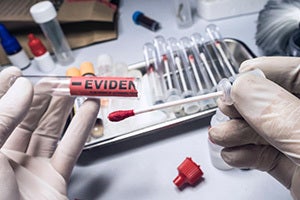
Enacted to safeguard youth privacy, AB 1584 establishes strict procedural rules regarding how police gather, use, and store juvenile genetic material, ensuring minors are protected against unauthorized genetic profiling and self-incrimination.
Conditions for Lawful Juvenile DNA Collection
For law enforcement to lawfully request and collect a DNA sample from a minor under AB 1584, specific constitutional and statutory requirements must be satisfied:
-
Dual Written Consent: Both the minor and their parent or legal guardian must sign an official written consent form.
-
Explanation of Rights and Purpose: Police must explain the collection process, the intended legal use of the sample, and explicitly inform the minor of their right to refuse.
-
Notice of Sample Destruction Rights: Law enforcement must provide documentation detailing how the minor or guardian can request the expungement and destruction of the DNA profile.
-
Scope Limitations: Collected DNA can be used only for the specific investigation for which it was requested; it cannot be entered into broad databases for unrelated future searches.
Legal Exceptions to Parental Consent Requirements
Assembly Bill 1584 outlines specific legal exceptions where police may collect or analyze a minor's DNA without prior parental consent:
-
Crime Scene Evidence and Abandoned DNA: Police can collect DNA left behind voluntarily on discarded items (such as cups, utensils, or clothing) at a crime scene or in public space.
-
Missing or Abducted Minor Investigations: Consent requirements are waived when DNA is needed urgently to identify, locate, or rescue a missing or abducted child.
-
Sexual Assault Investigations: Law enforcement may collect DNA without prior consent when a juvenile is either the alleged victim or suspected perpetrator of a sexual assault, prioritizing immediate evidence preservation.
Strict Rules on Juvenile DNA Storage and Destruction
To prevent long-term privacy violations, California law mandates strict retention limits and heavy penalties for non-compliance:
-
Mandatory Two-Year Destruction: If a minor's DNA sample does not link them to criminal activity, the agency must destroy the sample and expunge the profile within two years.
-
Early Expungement Requests: Minors and their legal representatives may submit a written request for immediate destruction of their DNA sample at any time before the two-year mark.
-
Financial Penalties: Law enforcement agencies that violate AB 1584's consent or destruction requirements face statutory fines of up to $5,000 per violation.
Frequently Asked Questions
Can police collect a minor's DNA without parental permission in California?
Generally, no. Under California AB 1584, law enforcement must obtain written consent from both the juvenile and a parent or guardian before taking a DNA sample, unless a specific legal exception applies.
What happens if a minor leaves DNA on a discarded item?
If a minor leaves DNA on a discarded item in a public place—such as a water bottle or food wrapper—it is considered "abandoned DNA." Police can legally collect and analyze abandoned material without obtaining parental consent.
How long can law enforcement hold a juvenile's DNA sample?
If the DNA does not link the minor to a crime, police must destroy the sample within two years. Minors and their parents also have the legal right to request earlier destruction in writing.
Can a minor refuse a police request for a DNA sample?
Yes. Providing a DNA sample is voluntary, and police officers must inform the minor of their constitutional right to refuse.
Can juvenile DNA be stored in police databases for future investigations?
No. AB 1584 explicitly restricts the use of a minor's DNA strictly to the specific investigation for which it was gathered. Police cannot use it for unrelated future profiling or database searches.
What are the consequences if police violate AB 1584 juvenile DNA rules?
If a law enforcement agency fails to follow proper consent, usage, or destruction protocols, the agency can be fined up to $5,000 per violation, and the improperly obtained evidence may be suppressed in court.
Need Legal Assistance?
If law enforcement has illegally collected or retained your child's DNA, contact our Los Angeles legal team at the Esfandi Law Group today for a FREE case review at 310-274-6529.
