
In California, disturbing the peace (Penal Code § 415) is categorized as a wobbler—meaning prosecutors can charge the offense as either a misdemeanor or a non-criminal infraction. Prosecutors never charge it as a felony on its own.
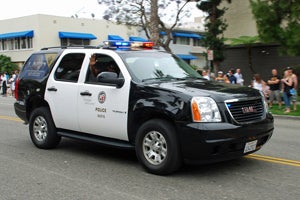
Under California Penal Code § 415 (PC 415), a person commits a disturbance of the peace by unlawfully fighting in public, making unreasonably loud noise with malicious intent, or using offensive language in a public space that is inherently likely to provoke an immediate violent reaction.
California Penal Code § 415 Overview
|
Charge Classification |
Potential Jail Time + Fines |
Impact on Criminal Record |
| Infraction | No jail time. Fine up to $250 | No criminal record; functions like a traffic ticket |
| Misdemeanor | Up to 90 days in county jail. Up to $400 fine plus court assessments | Creates a permanent criminal record visible on background checks |
| School Grounds Offense (PC § 415.5) | Up to 90 days in county jail. Fine up to $500 | Creates a criminal record; carries mandatory minimum jail for priors |
The Three Ways Prosecutors Charge PC 415
California law divides disturbing the peace into three distinct statutory sub-categories under PC 415:
-
Unlawfully Fighting in Public (PC § 415(1)): Unlawfully fighting or challenging another person to a fight in a public place. This requires an intentional act without legal justification, such as self-defense.
-
Malicious and Unreasonable Noise (PC § 415(2)): Willfully and maliciously making loud and unreasonable noise to disturb another person. The noise must be intended to disrupt or show a clear disregard for public order (e.g., late-night music blasts or shouting disputes).
-
Using Offensive Words in Public (PC § 415(3)): Using "fighting words" in a public place that are inherently likely to provoke an immediate violent reaction. Standard offensive language or general venting is protected by the First Amendment unless it creates an imminent threat of violence.
Real-Life Examples Leading to 415 PC Charges
A disturbing the peace citation or arrest often arises from everyday disputes that escalate in public or semi-public spaces:
-
Neighborhood Disputes: Shouting matches with neighbors or playing excessively loud music after receiving police warnings.
-
Bar and Nightclub Altercations: Getting into a heated verbal argument outside a venue or challenging a bouncer or patron to a fight.
-
Public Demonstrations: Shouting targeted, provocative insults directly at individuals during public protests.
-
Domestic or Tenant Arguments: Loud verbal arguments in apartment hallways or yards that prompt neighbors to call 911.
Key Differences: Disturbing the Peace (415 PC) vs. Disorderly Conduct (647 PC)
While both statutes govern public order, Penal Code § 415 specifically targets public fighting, noise disruptions, and fighting words.
In contrast, California Penal Code § 647 (Disorderly Conduct) governs broader public nuisance behaviors, such as public intoxication (PC 647(f)), loitering, soliciting prostitution, or peeping.
In many criminal cases, defense attorneys negotiate to reduce more serious charges—such as battery (PC 242) or disorderly conduct—down to a PC 415 infraction to preserve the client's criminal record.
Strategic Legal Defenses Against PC 415 Charges
An experienced criminal defense lawyer can challenge the prosecution's evidence using several established legal strategies:
-
Self-Defense or Defense of Others: You acted reasonably to protect yourself or another person from imminent physical harm during a public confrontation.
-
First Amendment Free Speech Protections: Your statements did not constitute "fighting words" that provoke immediate violence, rendering the speech constitutionally protected.
-
Lack of Malicious Intent: The noise or disruption was accidental, necessary, or lacked the required legal standard of "willful and malicious" intent.
-
False Accusations / Lack of Proof: Insufficient witness testimony, lack of objective decibel/noise evidence, or exaggerated claims by hostile accusers.
Frequently Asked Questions (FAQs)
Is disturbing the peace a misdemeanor or an infraction in California?
Penal Code § 415 can be charged as either a misdemeanor or an infraction. Prosecutors make this determination based on the facts of the incident, whether property damage or threats occurred, and your prior criminal record.
Can a Penal Code § 415 conviction be expunged from your record?
Yes. If you are convicted of a PC 415 misdemeanor or infraction, you can petition for an expungement under California Penal Code § 1203.4 once you successfully complete your probation or pay all required court fines.
Will a disturbing the peace charge show up on employment background checks?
A misdemeanor conviction for PC 415 will appear on standard criminal background checks unless it is expunged or dismissed. An infraction conviction does not create a criminal record and typically will not show up on employment background checks.
Does disturbing the peace affect immigration status for non-citizens?
Disturbing the peace is generally not considered a crime of moral turpitude or an aggravated felony under federal immigration law. However, non-citizens should always consult an experienced criminal defense and immigration attorney before entering any plea deal.
What is the difference between disturbing the peace and disorderly conduct in California?
Disturbing the peace (PC 415) covers fighting, malicious noise, and provocative language. Disorderly conduct (PC 647) covers separate offenses, such as public intoxication, unlawful loitering, and lewd conduct in public.
Consult a Los Angeles Criminal Defense Attorney
Even a misdemeanor disturbing the peace charge can create unwanted complications on employment background checks, state licensing applications, and tenant screenings. At Esfandi Law Group, our legal team delivers dedicated representation across Los Angeles and Southern California.
Lead attorney Seppi Esfandi is a former public defender and with over two decades of trial experience. Our firm frequently secures charge reductions from misdemeanors to non-criminal infractions or complete case dismissals.
Contact Esfandi Law Group today for a confidential, 24/7 legal consultation.
