
When a dog attacks another dog in California, the financial, legal, and emotional consequences fall directly on the owners involved. California applies strict legal standards to pet owners when their animals cause harm in public or lawfully occupied private spaces.
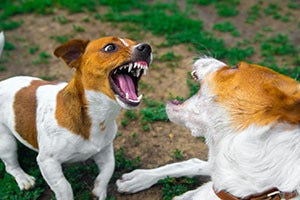
Understanding California's strict liability rules, pet property classification, insurance coverage nuances, and legal pathways for recovery is essential for any dog owner dealing with a dog-on-dog attack.
Dog Owner Liability Laws in California
California is a strict liability state for dog bites under California Civil Code Section 3342. While Civil Code 3342 explicitly addresses bites inflicted on human beings, California courts and tort law treat dog-on-dog attacks under a combination of strict liability and property damage principles.
Under California law, dogs are legally classified as personal property. Consequently, when one dog injures or kills another dog, the owner of the attacking animal is financially liable for the resulting property damage caused by their pet.
Elements Required to Establish Liability
-
Location: The attack occurred in a public place or lawfully on private property.
-
Lack of Provocation: The victim dog did not provoke or attack the aggressive dog first.
-
Control: The attacking dog's owner failed to restrain or control their animal appropriately.
Proving Negligence and Statutory Violations
Beyond strict property liability, establishing owner negligence strengthens a legal claim for damages. Proving that an owner breached their basic duty of care can open additional avenues for recovery.
Key Factors Indicating Negligence
-
Leash Law Violations: Failing to keep a dog on a physical leash in municipalities with active restraint ordinances.
-
Prior Aggression ("One-Bite Rule" Context): If an owner knew their dog had a history of attacking other animals or people, failing to muzzle or properly confine the dog constitutes clear negligence.
-
Dangerous Animal Statutes: Under California Food and Agricultural Code Section 31602 and local municipal codes, dogs with prior unprovoked aggressive incidents can be officially designated as "potentially dangerous" or "vicious," placing heightened legal restrictions on the owner.
Financial Recoverable Damages for Injured Pets
Because California law classifies pets as personal property, recovery focuses primarily on direct economic losses.
|
Damage Category |
Legal Description |
Examples of Covered Costs |
| Veterinary Expenses | Direct medical care required to treat the injured dog. | Emergency surgery, bloodwork, medications, follow-up exams, and physical therapy. |
| Boarding & Recovery Costs | Specialized care facilities required during medical recovery. | Medical boarding fees and specialized rehabilitation center costs. |
| Fair Market Value / Replacement | Applies if the victim dog dies as a result of the attack. | The monetary purchase or adoption cost of a dog of similar breed, training, and age. |
Emotional Distress and Non-Economic Damages
Under current California judicial precedent, courts generally do not award emotional distress or loss-of-consortium damages to owners for injuries to, or the loss of, a pet.
Because dogs are treated as property, courts typically exclude emotional anguish unless they find intentional, malicious animal cruelty under statutes like the federal PACT Act (18 U.S.C. § 48) or state animal cruelty laws (California Penal Code Section 597).
Homeowner's and Renter's Insurance Coverage
Most dog-on-dog attack claims are resolved through the attacking dog owner's homeowner's or renter's insurance policy, which typically includes personal liability coverage.
Insurance Policy Considerations
-
Standard Coverage: Personal liability coverage usually pays for property damage (including vet bills) caused by a household pet up to policy limits.
-
Breed Exclusions: Some insurance providers explicitly exclude or restrict coverage for breeds categorized as "high risk" (e.g., Pit Bulls, Rottweilers, Dobermans). If an insurer excludes the breed, the dog owner remains personally liable out-of-pocket for all expenses.
-
Umbrella Policies: For severe attacks involving high veterinary bills or fatal injuries to valuable service/working animals, umbrella insurance policies may cover excess damages.
Frequently Asked Questions (FAQs)
Is a dog owner strictly liable if their dog attacks another dog in California?
Yes. Under California law, domestic animals are legally classified as personal property. The owner of an attacking dog is financially responsible for the property damage caused by their animal, including all necessary veterinary expenses to treat the injured pet, provided the victim dog did not provoke the attack.
Can I sue for emotional distress if another dog kills or injures my dog in California?
Generally, no. Because California courts classify pets as personal property, traditional non-economic damages—such as pain and suffering, emotional distress, or loss of companionship—are not recoverable in ordinary negligence cases involving animals. Recovery is typically capped at actual financial losses like veterinary bills and fair market value.
What should I do immediately after a dog attacks my dog?
Seek emergency veterinary care for your pet immediately. Swap contact details, driver's license numbers, and insurance information with the other dog owner. Take photographs of your dog's injuries, the location of the attack, and any torn leashes or broken fences. File a formal report with your local animal control agency or police department.
Does homeowner's insurance cover dog-on-dog attacks?
In most cases, yes. The personal liability section of a homeowner's or renter's insurance policy generally covers property damage caused by a pet, including veterinary expenses another owner incurs. However, coverage depends on the specific policy, and some insurers enforce breed exclusions or dangerous dog restrictions.
What happens to a dog that attacks another dog in California?
Depending on the severity of the attack and local municipal ordinances, local animal control may investigate the incident. The attacking dog may be officially designated as a "potentially dangerous" or "vicious" animal under California Food and Agricultural Code guidelines. This designation requires the owner to comply with strict confinement rules, mandatory muzzling, liability insurance minimums, or in extreme cases involving severe unprovoked attacks, potential quarantine or humane euthanasia.
The Esfandi Law Group in Los Angeles can help you. Schedule your free consultation at (310) 274-6529 or use the contact form.
