
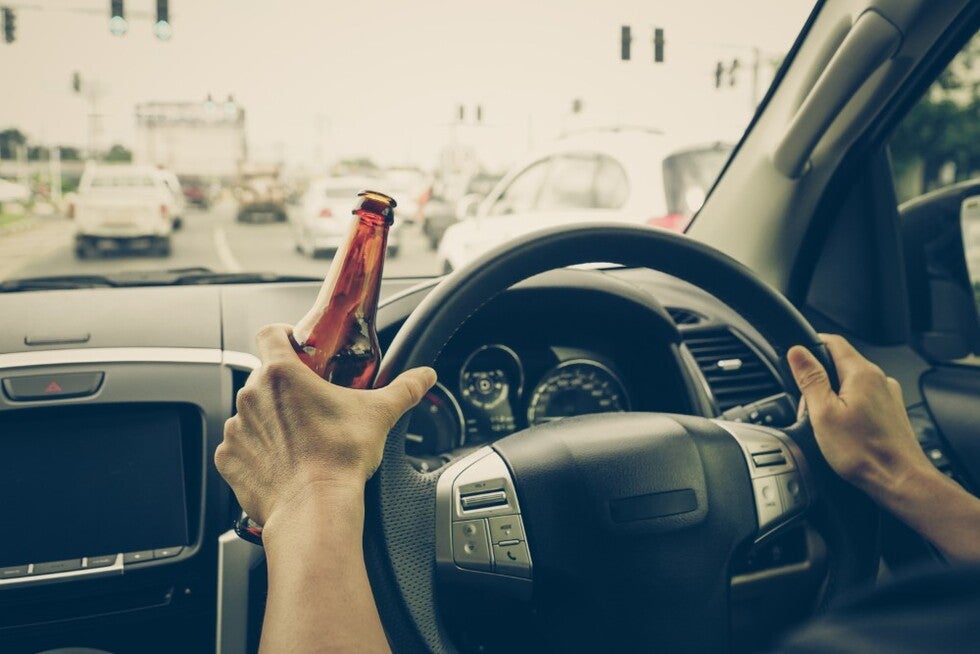
Under California law, getting behind the wheel while impaired is a serious charge—but when an accident results in harm to another person, the legal stakes escalate dramatically.
Governed by California Vehicle Code 23153 (VC 23153), a DUI causing bodily injury converts a standard traffic offense into a severe criminal charge that prosecutors treat with maximum severity. Even minor physical harm, such as bruising, sprains, or soft-tissue soreness, satisfies the legal threshold to trigger enhanced statutory penalties.
Because VC 23153 is a "wobbler" in California, district attorneys have broad discretion to file charges as either a misdemeanor or a state prison felony. Securing a favorable outcome requires challenging not only the chemical and impairment evidence, but also the critical element of legal causation.
Statutory Text: VC 23153 Legal Definition
California Vehicle Code Section 23153:
(a) It is unlawful for a person, while under the influence of any alcoholic beverage, to drive a vehicle and concurrently do any act forbidden by law, or neglect any duty imposed by law in driving the vehicle, which act or duty proximately causes bodily injury to any person other than the driver.
(b) It is unlawful for a person, while having 0.08 percent or more, by weight, of alcohol in his or her blood, to drive a vehicle and concurrently do any act forbidden by law, or neglect any duty imposed by law in driving the vehicle, which act or duty proximately causes bodily injury to any person other than the driver.
(e) It is unlawful for a person, while under the influence of any drug, to drive a vehicle and concurrently do any act forbidden by law, or neglect any duty imposed by law in driving the vehicle, which act or duty proximately causes bodily injury to any person other than the driver.
(f) It is unlawful for a person, while under the combined influence of any alcoholic beverage and drug, to drive a vehicle and concurrently do any act forbidden by law, or neglect any duty imposed by law in driving the vehicle, which act or duty proximately causes bodily injury to any person other than the driver.
Key Statutory Definitions
To interpret VC 23153, California courts rely on specific legal definitions established by statutory provisions and jury instructions (CALCRIM No. 2100):
-
Under the Influence: A driver is legally "under the influence" when, as a result of drinking alcohol, taking drugs, or a combination of both, their physical or mental abilities are impaired to the extent that they can no longer drive a vehicle with the caution of a sober person under similar circumstances.
-
Neglect of Duty / Illegal Act: The prosecution must show an independent unlawful act or omission while driving, beyond the act of driving under the influence itself (such as speeding, running a red light, or unsafe lane changes).
-
Proximate Cause: An act or omission that directly produces the injury, without which the injury would not have occurred, and forms a natural and continuous sequence leading to the harm.
-
Bodily Injury: Under California law, "bodily injury" requires physical harm beyond driver impairment, but it does not need to be severe or catastrophic. Cuts, minor concussions, severe bruises, whiplash, or sprains satisfy the legal threshold.
Elements of the Crime: What Must Be Proven to Convict
To obtain a conviction under VC 23153, the prosecution must prove the following elements beyond a reasonable doubt:
-
Driving: The defendant operated a motor vehicle.
-
Impairment or BAC Threshold: The defendant was under the influence of alcohol, drugs, or both (VC 23153(a), (e), (f)), or had a Blood Alcohol Concentration (BAC) of 0.08% or higher at the time of driving (VC 23153(b)).
-
Unlawful Act or Neglect: While driving, the defendant committed an illegal act (e.g., traffic violation) or neglected a legal duty required of drivers.
-
Causation of Bodily Injury: The defendant's illegal act or neglect was the proximate cause of bodily injury to another person (excluding the driver).
Misdemeanor vs. Felony VC 23153 ("Wobbler" Offense)
VC 23153 is a "wobbler" in California, meaning prosecutors have discretion to charge the crime as either a misdemeanor or a felony based on the driver's prior DUI record and the severity of the victim's injuries.
|
Offense Level |
Typical Trigger Conditions |
Imprisonment & Driver's License |
| Misdemeanor | Minor injuries; First or second DUI offense; No aggravating factors. | Up to 1 year in county jail & 1 to 3-year suspension; IID requirement |
| Felony | Great Bodily Injury (GBI); Multiple victims; 3+ prior DUIs within 10 years; Prior felony DUI. | 2, 3, or 4 years in state prison (+ enhancements) & Up to 5-year revocation; Mandatory IID |
Penalties and Sentencing
Consequences upon conviction vary substantially depending on how the charge is filed.
Misdemeanor VC 23153 Penalties
-
Probation: 3 to 5 years of summary (informal) probation.
-
Jail Time: 5 days to 1 year in county jail.
-
Fines: $390 to $5,000, plus penalty assessments and court fees.
-
DUI Education Program: Mandatory 3, 9, 18, or 30-month state-approved alcohol/drug program.
-
Restitution: Full victim restitution for medical bills and property damage.
-
License Suspension: 1 to 3 years by the DMV (Ignition Interlock Device required for restricted driving).
Felony VC 23153 Penalties
-
State Prison: 2, 3, or 4 years in California State Prison.
-
Great Bodily Injury (GBI) Enhancement (PC 12022.7): Additional and consecutive 3 to 6 years in prison if a victim suffered severe or permanent injury.
-
Multiple Victim Enhancement (VC 23558): Additional 1 year in state prison per additional injured victim (up to 3 years max).
-
Three Strikes Law: A felony DUI conviction involving Great Bodily Injury constitutes a "strike" under California Penal Code 667.
-
Fines: Up to $5,000, plus high court assessment penalties.
-
License Revocation: Up to 5 years revocation by the California DMV.
Defense Strategies against VC 23153
Defending against a DUI causing injury involves challenging both the chemical/impairment evidence and the causation element of the accident.
-
Lack of Proximate Causation: Demonstrating that the injury was caused by third-party negligence, weather conditions, mechanical failure, or road hazards rather than an unlawful act or neglect by the driver.
-
Challenging Breath or Blood Tests: Attacking chemical test validity by exposing non-compliance with California Code of Regulations Title 17 (e.g., failure to observe for 15 minutes, faulty calibration, improper blood sample handling, or fermentation).
-
Rising Blood Alcohol Defense: Argument that the driver's BAC was under the legal 0.08% limit at the time of driving and only rose above the limit by the time the chemical test was administered.
-
Improper Stop or Search Violations: Asserting Fourth Amendment violations if law enforcement lacked reasonable suspicion for the initial traffic stop or probable cause for the arrest, leading to suppressed evidence.
Hypothetical Examples
-
Misdemeanor DUI Injury: A driver with a 0.09% BAC rear-ends a stopped car at a red light after failing to brake in time. The driver of the impacted vehicle suffers mild neck soreness and whiplash. Because there are no prior offenses and injuries are minor, the prosecution files misdemeanor VC 23153 charges.
-
Felony DUI Injury (GBI): A driver under the influence of prescription painkillers drives above the speed limit, strays into oncoming traffic, and causes a head-on collision. The other driver suffers multiple bone fractures and requires surgery. The prosecutor charges felony VC 23153 alongside a PC 12022.7 Great Bodily Injury enhancement.
-
Defensible Causation Case: An intoxicated driver with a 0.10% BAC is driving lawfully down a street when another motorist runs a stop sign and strikes their side door, injuring a passenger. While the driver is guilty of standard DUI (VC 23152), they are not guilty of VC 23153 because their conduct did not cause the accident or injury.
Frequently Asked Questions
Can a VC 23153 charge be reduced to a lower offense?
Yes. Depending on the strength of the evidence, defense attorneys may negotiate a reduction from VC 23153 to standard misdemeanor DUI (VC 23152), a "wet reckless" (VC 23103.5), or a "dry reckless" (VC 23103). Reductions occur most frequently when prosecutors face difficulty proving either impairment or causation.
Is jail time mandatory for a first-offense DUI with bodily injury?
Under California law, a conviction under VC 23153 carries a statutory minimum of 5 days in county jail, even for first-time misdemeanor offenders. However, alternative sentencing options—such as house arrest, work release, or community service—may be negotiated depending on county policy and judicial approval.
How does the DMV administrative hearing differ from the criminal court trial?
The administrative DMV process (Administrative Per Se hearing) focuses exclusively on driving privileges and operating a vehicle with a BAC of 0.08% or higher. It operates on a lower burden of proof than criminal court. The criminal court case addresses guilt, fines, probation, jail, and restitution, requiring proof beyond a reasonable doubt.
What is considered "Great Bodily Injury" (GBI) in a California DUI case?
Under California Penal Code 12022.7, Great Bodily Injury is defined as a significant or substantial physical injury. Examples include broken bones, severe lacerations requiring extensive suturing, organ damage, or injuries requiring surgery. GBI enhancements add mandatory prison time and classify the offense as a violent felony under the Three Strikes law.
How long do I have to request a DMV hearing after a DUI with injury arrest?
You have 10 calendar days from the date of your arrest (or receipt of the notice of suspension) to request an Administrative Per Se hearing with the California DMV. Failure to request the hearing within 10 days results in an automatic forfeiture of the right to contest the driver's license suspension.
Related California Laws
Understanding connected statutory provisions clarifies how prosecutors build or upgrade DUI charges in California.
-
California Vehicle Code 23152 - Standard DUI: Defines driving under the influence of alcohol or drugs without bodily injury; critical as a lesser included offense when causation in an injury case cannot be proven.
-
California Vehicle Code 23103.5 - Wet Reckless: Serves as a standard plea bargain target in DUI prosecutions to mitigate mandatory jail terms and minimize record exposure.
-
California Penal Code 191.5 - Vehicular Manslaughter While Intoxicated: Applies when a DUI collision leads to the death of another person, carrying severe state prison sentences depending on gross negligence.
-
California Penal Code 12022.7 - Great Bodily Injury Enhancement: Imposes strict sentence enhancements when a victim sustains severe, non-trivial physical harm during the commission of a felony.
-
California Vehicle Code 20001 - Hit and Run Resulting in Injury: Charged alongside VC 23153 if a driver flees the scene of a DUI accident involving injury, drastically increasing felony exposure.
Resources
- Vehicle Code § 23152 – Standard DUI
- Vehicle Code Penalties for a Violation of Section 23153
- California DMV. Driving Under the Influence (DUI),
- California DMV. DUI First Offenders (with Injury)
- CALCRIM Nos. 2100–2102 – Jury Instructions for DUI with Injury
