
A Marsden motion is a formal request made by an indigent criminal defendant in a California court to discharge their current court-appointed public defender or panel attorney and receive new legal counsel.
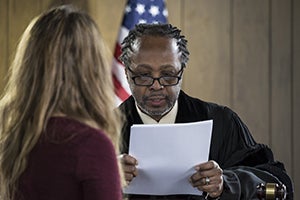
Originating in the landmark California Supreme Court ruling People v. Marsden (1970), this motion is the primary legal mechanism available to defendants who believe their court-appointed attorney is providing constitutionally inadequate representation or who have an irreconcilable conflict with their counsel.
Valid Grounds for Filing a Marsden Motion
To successfully grant a Marsden motion, a judge must determine that the defendant's Sixth Amendment right to effective assistance of counsel has been substantially impaired. Disagreeing with an attorney's trial strategy is typically insufficient. Valid legal grounds include:
-
Ineffective Assistance of Counsel (IAC): Demonstrating that the court-appointed lawyer's performance fell below the objective standard of reasonableness. Examples include failing to investigate key witnesses, ignoring crucial exculpatory evidence, failing to file necessary pre-trial suppression motions, or failing to communicate critical plea offers.
-
Irreconcilable Conflict: Showing an extreme breakdown in the attorney-client relationship—such as a complete lack of communication, severe hostility, or a fundamental conflict of interest—that prevents the attorney from effectively presenting a defense.
-
Failure to Prepare or Investigate: Illustrating that counsel failed to perform basic case preparation, hire necessary expert witnesses, or review discoverable police reports.
What Happens During a Marsden Hearing?
When a defendant tells the court they want to replace their appointed lawyer, the judge must immediately halt proceedings and hold a Marsden hearing.
-
Closed-Door (In Camera) Proceeding: The hearing is confidential to protect the defendant's attorney-client privilege. The prosecutor, public gallery, and jury are completely excluded from the courtroom. Only the defendant, their attorney, the judge, and essential court staff (such as the court reporter) remain present.
-
Defendant's Testimony: The judge gives the defendant an opportunity to articulate specific facts and examples showing why the attorney is inadequate or why the relationship has broken down.
-
Attorney's Response: The court-appointed lawyer is given an opportunity to respond to the allegations, explain their tactical decisions, and detail the work performed on the case.
-
Judicial Ruling: After hearing both sides, the judge will issue a ruling:
-
Motion Granted: The current attorney is relieved of their duties, and the court appoints a new public defender or conflict counsel to take over the defense.
-
Motion Denied: The current attorney remains on the case, and proceedings resume.
-
Marsden Motions at Different Stages of a Trial
Marsden motions can be brought at virtually any point in a criminal case:
-
Pre-Trial: If granted early, a new attorney is appointed to handle discovery, pre-trial motions, and plea negotiations.
-
During Trial: If granted mid-trial, the judge may declare a mistrial or grant a continuance to allow new counsel time to review the record and prepare.
-
Post-Trial / Sentencing: If a motion is brought after a conviction but before sentencing, a granted Marsden motion allows new counsel to file a motion for a new trial based on ineffective assistance at trial.
Frequently Asked Questions (FAQs)
Can a prosecutor attend a Marsden hearing?
No. Prosecutors are strictly excluded from Marsden hearings. Because the defendant must discuss confidential trial strategy and attorney-client communications to explain why their lawyer is inadequate, the hearing is held behind closed doors to preserve the defendant's constitutional rights.
What is the difference between a Marsden motion and a Faretta motion?
A Marsden motion asks the court to replace a court-appointed lawyer with a different court-appointed lawyer. A Faretta motion (based on Faretta v. California) is a request by the defendant to waive their right to counsel entirely and represent themselves (pro se).
Can a defendant file a Marsden motion if they hired a private attorney?
No. Marsden motions apply exclusively to court-appointed attorneys (public defenders or panel counsel). If a defendant hires a private criminal defense attorney, they generally have the absolute right under the Sixth Amendment to fire their lawyer at any time without needing court permission or proving ineffective assistance.
Does a disagreement over trial strategy justify granting a Marsden motion?
Rarely. Tactical decisions—such as which witnesses to call, whether to cross-examine a witness on a specific point, or which jury instructions to request—are generally left to the attorney's professional judgment. A judge will only grant the motion if the disagreement stems from a complete breakdown in communication or results in constitutionally deficient representation.
What happens if a judge improperly denies a Marsden motion?
If a judge fails to conduct a proper Marsden hearing or arbitrarily denies a valid motion, it constitutes reversible error on appeal. Appellate courts may overturn the conviction or remand the case back to the trial court for a proper hearing or a new trial.
