
Making a false emergency report in California triggers law enforcement and first-responder deployments that drain taxpayer funds and divert critical, life-saving resources from genuine crises.
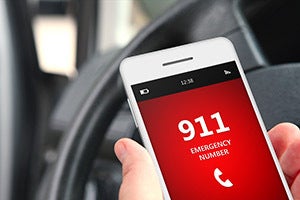
Under California Penal Code 148.3 PC, intentionally fabricating an emergency—often called "swatting"—is a serious offense that carries misdemeanor or felony penalties, substantial fines, and mandatory financial restitution for emergency response costs.
Key Statutory Definitions
Under California Penal Code Section 148.3(a) PC, "Any individual who reports, or causes any report to be made, to any city, county, city and county, or state department, district, agency, division, commission, or board, that an emergency exists, knowing that the report is false, is guilty of a misdemeanor."
Under California Penal Code Section 148.3(b) PC, "Any individual who reports, or causes any report to be made, to any city, county, city and county, or state department, district, agency, division, commission, or board, that an emergency exists, knowing that the report is false, and who knows or should know that the response to the report is likely to cause death or great bodily injury, and great bodily injury or death is sustained by any person as a result of the response, is guilty of a felony."
Under California Penal Code Section 148.3(d) PC, an "emergency" means any condition that results in, or could result in, the response of an emergency vehicle, aircraft, or vessel, the evacuation of any area, building, structure, vehicle, or other place, or the activation of the Emergency Alert System or an AMBER Alert.
What Must Be Proven to Convict
To secure a conviction for falsely reporting an emergency, the prosecutor must prove the following legal elements beyond a reasonable doubt:
-
The defendant reported, or caused a report to be made, that an emergency existed.
-
The report was transmitted to a government department, agency, city, county, or state entity (such as a 911 dispatch center or police department).
-
The defendant knew the report was false when they made it.
-
For felony allegations: The defendant knew or should have known the response was likely to cause death or great bodily injury, and great bodily injury or death actually occurred as a result of the emergency response.
Penalties for PC 148.3 Violations
|
Offense Level |
Jail Time + Fines |
Restitution & Additional Terms |
| Misdemeanor (Standard) | Up to 1 year in county jail. Fines up to $1,000 | Mandatory reimbursement for emergency response costs incurred by agencies. |
| Felony (Injury or Death) | 16 months, 2 years, or 3 years in CA state prison. Fines up to $10,000 | Full financial restitution to victims and responding law enforcement agencies. |
Legal Defense Strategies
Building an effective legal defense against Penal Code 148.3 PC charges requires challenging the prosecution's evidence regarding intent, knowledge, and statutory definitions. Defense attorneys utilize several key defense strategies depending on the facts of the case:
-
Good Faith Belief / Mistake of Fact: Under California Penal Code 26 PC, a genuine, reasonable mistake of fact negates criminal knowledge. If you honestly believed a real emergency existed when you contacted authorities—even if that belief turned out to be incorrect—you lacked the specific knowledge that the report was false.
-
Lack of Criminal Intent / Accidental Transmission: The prosecution must prove beyond a reasonable doubt that you deliberately initiated a false transmission. Accidental dials (such as pocket dials), non-emergency pranks that were never intended to reach emergency dispatchers, or miscommunications do not meet the legal threshold for conviction.
-
Actual Emergency Conditions Existed: Demonstrating that a legitimate safety hazard, disturbance, or actual emergency condition was present at the time of the report provides a complete defense, even if the situation resolved itself or dissipated prior to the arrival of first responders.
-
Statements Did Not Constitute an "Emergency": Proving the information transmitted to government officials or law enforcement did not meet the strict statutory definition of an "emergency" under PC 148.3(d)—meaning it did not, and was not likely to, trigger an emergency vehicle dispatch, area evacuation, Emergency Alert System activation, or AMBER Alert.
-
Insufficient Evidence / Unsubstantiated Caller Identity: Prosecutors must establish that you were the specific individual who placed or initiated the report. In complex digital "swatting" allegations involving spoofed phone numbers or IP addresses, challenging digital forensics and caller identification evidence can prevent the prosecution from meeting its burden of proof.
Hypothetical Examples
-
Misdemeanor False Report: A caller dials 911 claiming an armed domestic violence dispute is occurring at a neighbor's house out of spite, prompting officers to respond with lights and sirens.
-
Felony "Swatting" Offense: A gamer calls a SWAT team to a rival player's address claiming an active hostage situation, resulting in an officer discharging a firearm and causing severe injury.
-
AMBER Alert Fabrication: A parent lies to law enforcement that their child was kidnapped by a stranger to trigger an AMBER Alert, while knowing the child is safe with a relative.
Related Laws
Related criminal statutes matter because prosecutors frequently stack these charges alongside PC 148.3 or use them as alternative plea options depending on the specific facts of the incident.
-
False Report of Fire – Penal Code 148.4 PC: Applies specifically to pulling fire alarms, making false fire calls, or tampering with fire alarm systems.
-
False Report of a Crime – Penal Code 148.5 PC: Covers intentionally filing a false criminal report with police officers or prosecutors when no emergency vehicle dispatch or evacuation occurs.
-
False Bomb Threats – Penal Code 148.1 PC: Prohibits placing fake explosive devices or falsely reporting bombs in public or private locations.
-
False Identification to a Peace Officer – Penal Code 148.9 PC: Penalizes providing fake names or identifying information to law enforcement officers during an investigation.
-
Criminal Threats – Penal Code 422 PC: Covers threats of death or great bodily injury intended to cause reasonable, sustained fear in a victim.
Frequently Asked Questions (FAQs)
What is the legal definition of an "emergency" under Penal Code 148.3 PC?
Under California Penal Code 148.3(d) PC, an emergency is legally defined as any situation or condition that results in—or could reasonably result in—the dispatch of an emergency vehicle, aircraft, or vessel; the evacuation of any building, structure, vehicle, or public area; or the activation of the Emergency Alert System or an AMBER Alert.
Is making a false emergency report a misdemeanor or a felony in California?
Falsely reporting an emergency under PC 148.3 is standardly charged as a misdemeanor carrying up to one year in county jail and $1,000 in fines. However, it elevates to a felony carrying 16 months, two years, or three years in state prison and up to $10,000 in fines if the responder deployment results in great bodily injury or death.
Will I have to pay for the cost of the emergency response if convicted?
Yes. Pursuant to California Penal Code 148.3(c) PC, any individual convicted of making a false emergency report is legally liable for all costs incurred by police, fire, search and rescue, or medical personnel responding to the fabricated crisis. Restitution amounts often reach thousands or tens of thousands of dollars.
How does PC 148.3 differ from PC 148.5 (Falsely Reporting a Crime)?
While both involve untruthful statements to law enforcement, Penal Code 148.3 PC specifically applies to fake emergencies that trigger physical responder dispatches, evacuations, or public alerts. Penal Code 148.5 PC governs making a false report that a misdemeanor or felony crime occurred, regardless of whether emergency lights and sirens were activated.
Can a conviction for making a false emergency report be expunged from my record?
Yes. Under California Penal Code 1203.4 PC, individuals convicted of misdemeanor or felony PC 148.3 violations can petition the court to clear the conviction from their record after successfully completing probation, jail time, and payment of all court-ordered restitution and fines.
If you or a loved one are facing charges for making a false report of an emergency in Southern California, early intervention by a skilled legal team can help negotiate charge reductions or case dismissals.
The Esfandi Law Group in Los Angeles is ready to assist you. Call us at (310) 274-6529 for a free consultation or fill out the contact form.
