
In California correctional facilities, solitary confinement—frequently referred to as Administrative Segregation (Ad-Seg), Security Housing Units (SHU), or Restrictive Housing—is an extreme form of housing where an inmate is isolated from the general population and deprived of meaningful human contact for 22 to 24 hours a day.
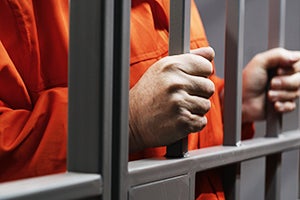
While prison administrators justify solitary confinement as a necessary security measure for protective custody or disciplinary control, human rights advocates and legal experts classify prolonged isolation as a psychological hazard that can constitute cruel and unusual punishment.
What Is Solitary Confinement in California?
Solitary confinement is the physical isolation of an incarcerated individual in a small cell—typically around 60 to 80 square feet—containing only a bed, a sink, and a toilet. Staff pass meals through a small slot in the solid steel door.
Living Conditions in Restrictive Housing
-
Daily Isolation: Inmates spend 22 to 23 hours per day inside their cells with minimal natural light.
-
Limited Out-of-Cell Time: Out-of-cell time is generally limited to one hour per day for solitary recreation in an enclosed outdoor cage.
-
Deprivation of Human Contact: Inmates are denied physical contact with family members, group educational programs, communal dining, and regular social interaction with other prisoners.
-
Strict Supervision: Visual contact is restricted almost entirely to correctional officers delivering meals or conducting security checks.
Why Inmates Are Placed in Solitary Confinement
Correctional facilities utilize solitary confinement under three primary legal and administrative classifications:
-
Disciplinary Segregation: Imposed as a direct punishment for violating institutional rules, such as fighting, possessing contraband, disobeying orders, or assaulting staff.
-
Administrative Segregation (Ad-Seg): Used when prison authorities determine an inmate poses an active security threat to staff, other prisoners, or the overall safety of the facility (e.g., alleged gang affiliation or active violence).
-
Protective Custody / Self-Harm Prevention: Assigned to high-profile defendants, informants, or individuals who face extreme danger from the general population. In some cases, inmates demonstrating acute suicidal ideation are temporarily placed in isolated observation cells for safety monitoring.
The Psychological and Physical Impact of Isolation
Extensive psychiatric research demonstrates that prolonged social isolation causes severe, long-lasting physical and psychological trauma—often termed "SHU Syndrome."
-
Severe Psychological Distress: Inmates frequently experience paranoia, anxiety, severe depression, visual and auditory hallucinations, and panic attacks.
-
Hypersensitivity to Environmental Stimuli: After prolonged isolation, individuals often become overwhelmed by basic sounds, lights, and unpredictable social environments.
-
Increased Risk of Self-Harm and Suicide: Studies consistently reveal that individuals in solitary confinement account for a disproportionately high percentage of self-mutilation and completed suicides in correctional systems.
-
Reentry and Adjustment Challenges: Long-term isolation impairs cognitive functioning, making it difficult for individuals to adjust to general population housing or re-enter civilian society upon release.
California Solitary Confinement Reforms and Legal Limits
Over the past decade, California has faced widespread legal challenges and public pressure to reform its solitary confinement practices:
-
The Ashker v. Governor of California Settlement (2015): A landmark federal class-action lawsuit ended indeterminate Security Housing Unit (SHU) terms based solely on alleged gang affiliation, shifting California to a behavior-based policy.
-
Caps on Isolation Duration: State regulations and Department of Corrections guidelines established strict limits on the maximum duration an inmate can spend in disciplinary segregation.
-
Expanded Mental Health Screening: State mandates require increased mental health evaluations to prevent individuals with severe mental illness from being subjected to prolonged isolation.
-
Legislative Oversight: Ongoing legislative initiatives continue to push for tighter caps on daily isolation hours and increased access to educational and rehabilitative programs for high-security inmates.
Frequently Asked Questions (FAQs)
What is the maximum time an inmate can spend in solitary confinement in California?
Following landmark legal reforms, California shifted away from indefinite solitary confinement. While administrative and disciplinary segregation terms are capped based on specific rule violations, inmates designated as severe safety risks may still face extended periods in restrictive housing subject to periodic review.
How does administrative segregation differ from disciplinary segregation?
Disciplinary segregation is a fixed punishment imposed after a formal hearing finding an inmate guilty of a specific rule violation. Administrative segregation (Ad-Seg) is a non-punitive, protective, or security-based placement used while an investigation is pending or to manage an ongoing safety threat.
Can an inmate in solitary confinement receive visits or phone calls?
Visits and phone privileges are strictly limited compared to general population housing. Non-contact visits (behind glass) may be permitted depending on the facility's security tier, while phone access is typically restricted to scheduled, monitored legal or emergency calls.
Is solitary confinement considered cruel and unusual punishment?
Prolonged solitary confinement—especially for juveniles, pregnant individuals, or persons with severe mental illness—has been condemned by international human rights organizations and federal courts as violating Eighth Amendment protections against cruel and unusual punishment.
How can a defense attorney help an inmate facing solitary confinement?
A criminal defense attorney can intervene by filing administrative appeals, requesting formal disciplinary hearings, presenting evidence to challenge false accusations, or seeking court orders to transfer vulnerable clients to mental health or protective housing units.
Legal Support for Inmates in Southern California Jails
Navigating administrative hearings and protecting the constitutional rights of incarcerated individuals requires prompt legal action.
If a loved one is facing solitary confinement, disciplinary action, or unsafe housing conditions in a Southern California facility, consulting with experienced legal counsel at the Esfandi Law Group is essential to safeguard their health and safety.
