
A grand jury is a panel of citizens tasked with investigating potential criminal activity and determining whether sufficient evidence (probable cause) exists to formally charge an individual with a felony.
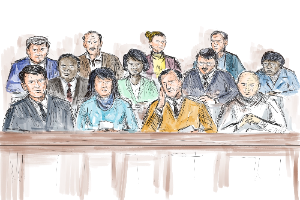
Under Article I, Section 23 of the California Constitution, every county in California must draw and summon a grand jury at least once a year. The grand jury serves as one of two legal methods prosecutors use to initiate felony charges in California—the other being a preliminary hearing before a judge.
The Primary Role & Duties of a Grand Jury
Under California Penal Code 917 PC, the grand jury's duty is to inquire into public offenses committed or triable within the county and to present them to the court by issuing an indictment.
Unlike a trial jury (petit jury), a grand jury does not determine whether a defendant is guilty or innocent beyond a reasonable doubt. Instead, it evaluates the prosecution's evidence and decides whether probable cause exists.
Key Characteristics of a California Grand Jury
-
Jury Composition: Selected randomly from the petit jury pool. In Los Angeles County, the Criminal Grand Jury consists of 23 members plus alternates who typically serve 30-day terms.
-
Supermajority Voting Standard: An indictment does not require a unanimous vote. In Los Angeles, at least 16 out of 23 grand jurors must vote in favor to return a true bill of indictment.
-
Probable Cause Standard: Grand jurors approve charges if a reasonable person would believe, based on the presented evidence, that a crime was committed by the specific suspect.
Grand Jury Hearing vs. Preliminary Hearing in California
Prosecutors have sole discretion when deciding whether to seek felony charges through a secret grand jury proceeding or a public preliminary hearing. The procedural differences heavily impact defense strategy:
|
Feature |
Grand Jury Hearing |
Preliminary Hearing |
| Presiding Authority | Prosecutor | Superior Court Judge |
| Location / Access | Closed, secret proceedings | Open, public court |
| Defense Attorney Presence | Prohibited in the hearing room | Fully permitted to advocate and object |
| Right to Cross-Examine | No right to question witnesses | Full right to cross-examine prosecution witnesses |
| Presentation of Defense Evidence | Defense cannot present evidence | Defense may present affirmative evidence and witnesses |
| Exculpatory Evidence Duty | Prosecutor must present known exculpatory evidence under CA law | Defense directly introduces favorable evidence |
Secrecy and Controversy Surrounding Grand Jury Proceedings
Grand jury hearings are conducted behind closed doors, often without the target of the investigation even knowing the hearing is occurring. Critics often argue that grand juries act as a "rubber stamp" for prosecutors, given indictment rates above 95%.
Because the defense attorney is barred from participating, the proceeding lacks adversarial testing.
However, California law provides a unique safeguard: the prosecution must inform the grand jury of known exculpatory evidence (evidence favorable to the accused), and the grand jury retains the independent power to order subpoenas for additional witnesses or records.
Do You Need a Defense Lawyer for a Grand Jury Proceeding?
Even though a defense attorney cannot enter the grand jury room to object or address the jurors, retaining an experienced criminal defense lawyer during a grand jury investigation remains critical.
How a Defense Lawyer Helps During Grand Jury Proceedings
-
Subpoena & Testimony Preparation: If you are subpoenaed to testify before a grand jury, an attorney can prepare you for prosecutor questioning, advise you on your Fifth Amendment right against self-incrimination, and wait outside the grand jury room to consult with you during breaks.
-
Reviewing Grand Jury Transcripts: Once an indictment is handed down, your defense attorney gains access to the full transcript of the grand jury proceedings. Your lawyer can analyze these transcripts to identify legal errors or prosecutorial misconduct.
-
Filing Motions to Dismiss: If the prosecutor failed to present exculpatory evidence or if probable cause was lacking, your attorney can file a Penal Code 995 motion to dismiss the indictment.
-
Pre-Trial Negotiations: A skilled attorney can present mitigating evidence directly to the prosecutor before or immediately after an indictment, aiming to reduce charges or resolve the case prior to trial.
Frequently Asked Questions (FAQs)
What is the difference between an indictment and an information in California?
An indictment is a formal felony charge issued by a grand jury after finding probable cause. An information is a formal charging document filed by the prosecutor after a judge finds probable cause during a public preliminary hearing.
Can I have my lawyer in the room with me if I testify before a California grand jury?
No. Unlike standard court hearings, defense attorneys are strictly barred from entering the grand jury room during testimony. However, you have the legal right to step outside the room to consult with your attorney before answering specific questions.
Can a grand jury indictment be dismissed in California?
Yes. Your criminal defense attorney can file a motion under California Penal Code Section 995 to set aside the indictment. Grounds for dismissal include insufficient evidence to support probable cause, procedural irregularities, or the prosecutor's failure to disclose known exculpatory evidence.
Why do prosecutors choose a grand jury over a preliminary hearing?
Prosecutors often select grand jury proceedings for high-profile cases, complex financial crimes, cases involving sensitive or vulnerable witnesses, or situations where they want to secure charges without giving the defense an early opportunity to cross-examine witnesses.
Is a grand jury decision final regarding my guilt?
No. An indictment is simply the formal initiation of criminal charges, not a conviction. If indicted, you retain all constitutional rights to a public jury trial, where the state must prove your guilt beyond a reasonable doubt before a trial jury.
Strategic Defense Against Grand Jury Indictments
A grand jury investigation or indictment requires immediate intervention by experienced legal counsel.
The Esfandi Law Group defends individuals under state and federal criminal investigation throughout Los Angeles and Southern California. Lead attorney Seppi Esfandi brings more than 21 years of criminal trial experience to analyze grand jury transcripts, challenge indictments, and protect clients' rights.
