
Forensic science is undergoing a massive transformation powered by advanced genomic technologies and specialized bioinformatics.
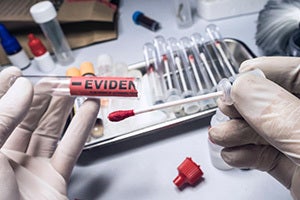
Othram, a leading forensic DNA sequencing laboratory based in The Woodlands, Texas, is at the forefront of this revolution.
By developing purpose-built technologies—including Forensic-Grade Genome Sequencing (FGGS), rapid familial relationship testing, and the proprietary DNASolves genetic database—Othram enables law enforcement agencies to overcome previous analytical barriers, identify human remains, and solve previously unsolvable cold cases.
Key Takeaways & Legal Quick Reference
|
Feature |
Legal & Forensic Standard |
| Core Technology | Forensic-grade genome sequencing (FGGS), KinSNP analysis, and proprietary mixture deconvolution. |
| Proprietary Database | DNASolves—a dedicated, privacy-focused genetic database built specifically for law enforcement identification. |
| Evidence Preservation | Purpose-built extraction pipelines optimized for highly degraded, low-input, or contaminated DNA evidence. |
| Public Safety Partnerships | Collaborations with NamUs, the Australian Federal Police (AFP), and local sheriff and police departments worldwide. |
Unraveling Cold Cases Through Advanced Forensic Genomics
Traditional forensic DNA profiling (such as CODIS) relies on Short Tandem Repeats (STRs), which require high-quality DNA and direct matching to an existing offender database. When evidence is degraded or a suspect is not in CODIS, traditional methods often fail.
Othram addresses these limitations by digitizing complex genetic variations across hundreds of thousands of single nucleotide polymorphisms (SNPs). This high-density genomic data powers genetic genealogy, allowing investigators to trace distant family trees and build leads even when physical evidence is decades old or severely compromised.
The Othram Approach: Proven Casework & Success Stories
Othram's proprietary technology and forensic workflows have directly enabled law enforcement agencies to resolve long-standing missing persons cases and unidentified human remains:
-
Palm Beach County Sheriff's Office: Resolved a 35-year-old unidentified remains mystery from 1987 using advanced genomic sequencing and genealogical research.
-
Metropolitan Nashville Police Department: Successfully identified a man whose remains were discovered in 2016, ending years of investigation deadlock.
-
Jackson County Medical Examiner's Office: Solved the identity of unknown remains discovered in Missouri in 2022, providing definitive answers to loved ones.
-
Orange County Sheriff's Office: Unlocked the identity of a victim whose skull was recovered in 2000 with zero physical identifying characteristics.
-
Hernando County Sheriff's Office: Identified a woman whose 1972 remains went unidentified for decades despite earlier facial reconstruction efforts.
-
King County Sheriff's Office: Positively identified a victim of Green River serial killer Gary Ridgway from skeletal remains discovered in 2003.
Forensic Integrity, Chain of Custody & Crowdfunding
Maintaining chain of custody and evidentiary integrity is essential for producing court-admissible results:
Secure In-House Processing
Othram manages the entire testing pipeline—from physical evidence extraction and human DNA enrichment to sequencing and genealogical analysis—in a single secure facility. Their forensic analysts regularly provide expert witness testimony in criminal court proceedings.
DNASolves Crowdfunding Model
Through the DNASolves platform, citizens and community members can directly fund the laboratory testing costs for backlogged cold cases. This crowdsourced model helps law enforcement agencies overcome budget constraints and expedite justice for victims.
Frequently Asked Questions (FAQs)
What is Forensic-Grade Genome Sequencing (FGGS)?
Forensic-Grade Genome Sequencing (FGGS) is an advanced DNA sequencing process Othram engineered to extract, enrich, and analyze low-input, highly degraded, or micro-contaminated DNA samples that fail standard CODIS STR testing.
How does Othram differ from consumer DNA testing services?
Unlike direct-to-consumer services (such as 23andMe or AncestryDNA), Othram operates a specialized, secure forensic laboratory designed specifically for law enforcement evidence. They build high-density SNP profiles from compromised physical remains rather than saliva kits.
What is DNASolves and how does it aid cold case investigations?
DNASolves is a combined genetic database and crowdfunding platform managed by Othram. It allows individuals to voluntarily upload their DNA data to assist law enforcement in identifying missing persons, while enabling the public to sponsor testing costs for unsolved cases.
Can Othram analyze DNA evidence that is severely degraded or contaminated?
Yes. Othram's laboratory infrastructure uses specialized automatic human enrichment and mixture deconvolution protocols specifically tailored to isolate human DNA from bone, teeth, touch evidence, and environmentally damaged samples.
Is genetic genealogy evidence admissible in court?
Yes. Investigative Genetic Genealogy (IGG) serves as an investigative lead-generation tool. Once IGG identifies a potential suspect or victim, law enforcement verifies the match with standard direct-comparison DNA testing before issuing warrants or making formal criminal charges.
Your best hope for a positive outcome is with an experienced California criminal defense attorney at Esfandi Law Group. To schedule a free consultation, call (310) 274-6529 or use the contact form.
