
Appearing in court can be intimidating, especially for people navigating the legal process for the first time. Understanding courtroom etiquette and demonstrating proper respect to the judge and prosecutor are crucial elements of any legal strategy.
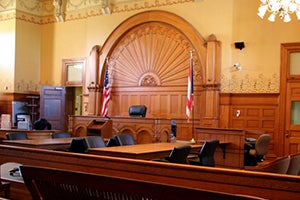
Adhering to professional standards of conduct ensures that proceedings run smoothly and prevents avoidable missteps that could negatively influence a judge or jury.
The Importance of Courtroom Respect & Preparation
Respect and preparation are vital assets during a legal proceeding. A courtroom is a formal environment governed by strict procedural rules and traditional norms.
Respecting the court shows you understand the gravity of the legal process, while disrespect—whether through inappropriate dress, tardiness, or disruptive behavior—can lead to warnings, sanctions, or unfavorable rulings.
How to Show Respect to the Judge
The presiding judge is the ultimate authority on questions of law and courtroom decorum. Showing appropriate reverence to the bench is essential for maintaining a favorable standing.
-
Stand Upon Entry: When the judge enters or exits the courtroom, the bailiff will command the room to rise. Everyone present must stand immediately and remain standing until the judge sits or gives permission to be seated.
-
Use Proper Formal Forms of Address: Always address the judge as "Your Honor." Attorneys typically open their arguments with the phrase, "May it please the court." When responding to direct questions, use polite, formal phrasing such as "Yes, Your Honor" or "No, Your Honor."
-
Maintain Professional Demeanor & Eye Contact: Speak in a calm, clear, and deferential tone, even when answering uncomfortable or probing questions. Maintain direct eye contact to convey sincerity and respect for the judge's authority.
-
Stand When Speaking: Always stand up whenever you are addressing the judge, answering questions, or offering testimony, unless explicitly instructed by the judge to remain seated.
Key Courtroom Etiquette Guidelines
Following standard rules of courtroom behavior helps ensure a professional atmosphere and prevents unnecessary distractions during proceedings.
-
Arrive Early: Locate the correct courtroom well before the scheduled appearance time. Arriving late is viewed as highly disrespectful and can lead to severe consequences:
-
For Plaintiffs: The judge may dismiss the case entirely.
-
For Defendants: The judge may issue a default judgment for the opposing party or issue a bench warrant for failure to appear.
-
-
Silence Electronic Devices: Turn off cell phones, tablets, and smartwatches before entering the courtroom. A ringing phone or notification sound can result in confiscation of the device or a finding of contempt.
-
Observe Prohibition of Cameras & Recording: Photography, audio recording, and video recording are strictly prohibited inside most courtrooms without prior express authorization from the bench.
-
Avoid Food, Drinks, & Chewing Gum: Eating, drinking beverages, and chewing gum are strictly forbidden in the gallery and at counsel tables.
-
Speak Only When Directed: Do not interrupt the judge, attorneys, or witnesses. Speak only when explicitly called upon by the court or your legal counsel.
-
Arrange Childcare in Advance: Unless a child is directly involved in the legal proceeding, make childcare arrangements beforehand. Children can easily become restless and disrupt formal court proceedings.
How to Dress for a Court Appearance
Clothing choices and personal presentation significantly influence first impressions in court. Conservative, business-appropriate attire demonstrates respect for the judicial process.
|
Dress Code Category |
Recommended Attire |
Items to Strictly Avoid |
| Formal Business Attire | Button-down shirts, conservative suits, blazers, dress slacks, modest dresses, or tailored pantsuits. | T-shirts, tank tops, crop tops, shorts, athletic wear, and torn jeans. |
| Footwear & Accessories | Closed-toe dress shoes, loafers, or clean flats. | Flip-flops, sandals, work boots, heavy jewelry, and sunglasses on the head. |
| Headwear | Head coverings worn strictly for religious or medical reasons. | Baseball caps, hats, beanies, and bandanas. |
| Grooming & Modification | Neat, well-groomed hair; trimmed facial hair; covered visible tattoos; removed non-traditional body piercings. | Unkempt hair, untrimmed facial hair, or exposed offensive body art. |
Respecting the Prosecutor
The prosecutor represents the government or state in criminal matters. While their role is to present evidence against a defendant, maintaining composure and professional respect toward the prosecution is mandatory.
-
Maintain Emotional Control: Hearing allegations or testimony presented by the prosecutor can be distressing, but vocal outbursts, arguing, or speaking out of turn are prohibited.
-
Avoid Non-Verbal Displeasure: Never make facial expressions, roll your eyes, shake your head, or utter audible sighs while the prosecutor is speaking or questioning witnesses.
-
Channel Communication Through Counsel: All objections, responses, and legal arguments must be handled directly by your defense attorney, rather than through direct confrontation with the prosecutor.
Frequently Asked Questions (FAQs)
What happens if I arrive late to my court date?
Arriving late can have serious legal consequences. In civil matters, the judge may dismiss your claims or enter a default judgment against you. In criminal matters, the judge may revoke your bail and issue an immediate bench warrant for your arrest for failure to appear.
How should I address the judge if I am asked a direct question?
Always stand up when speaking and address the judge directly as "Your Honor." Respond clearly, calmly, and respectfully using phrases like "Yes, Your Honor" or "No, Your Honor."
Can I bring my cell phone or camera into the courtroom?
While most courthouses allow you to bring a cell phone inside the building, it must be completely turned off or silenced before entering the courtroom. Photography, video recording, and audio recording are strictly prohibited without prior written permission from the judge.
What should I do if the prosecutor says something inaccurate during the hearing?
Do not interrupt, speak out, or show physical displeasure. Remain calm and quietly write a note to your defense attorney detailing the inaccuracy so they can address it at the appropriate procedural time.
Is formal business attire mandatory for every court appearance?
While formal business suits are not always legally mandatory, wearing conservative, business-appropriate clothing is strongly expected. Dressing professionally demonstrates respect for the court and ensures that your appearance does not distract from the legal merits of your case.
